
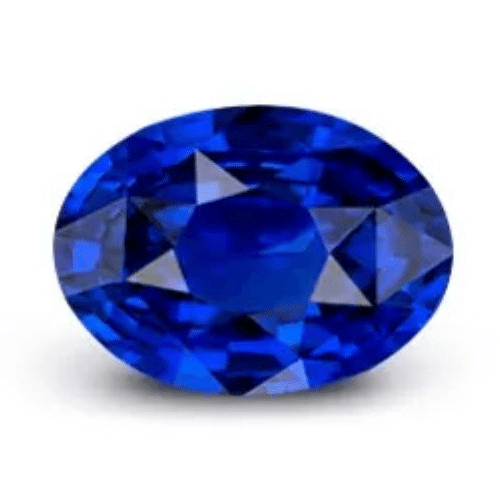
 Sapphire
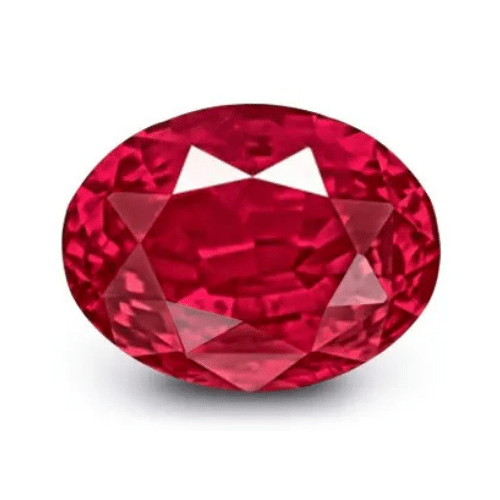 Ruby
Ruby
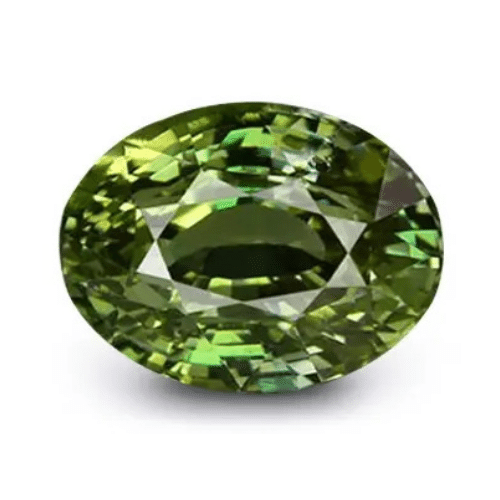 Alexandrite
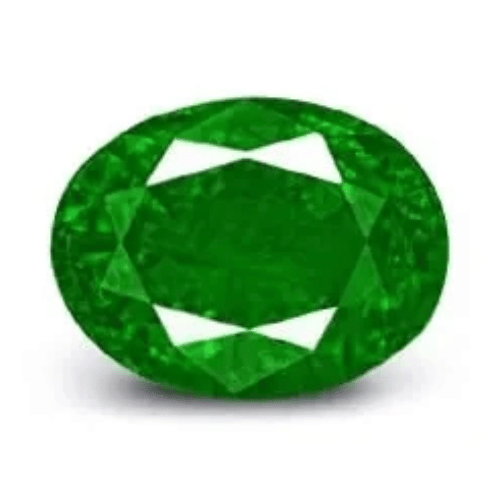 Emerald
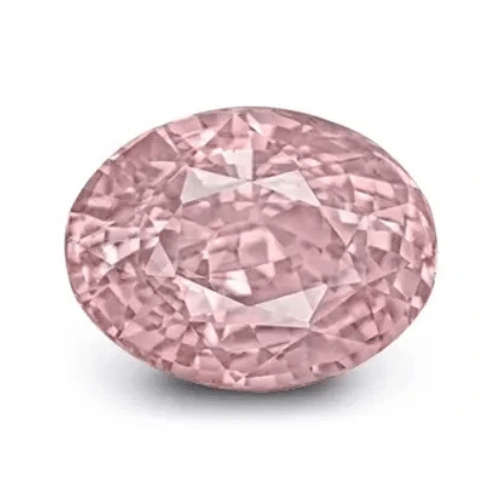 Padparadscha
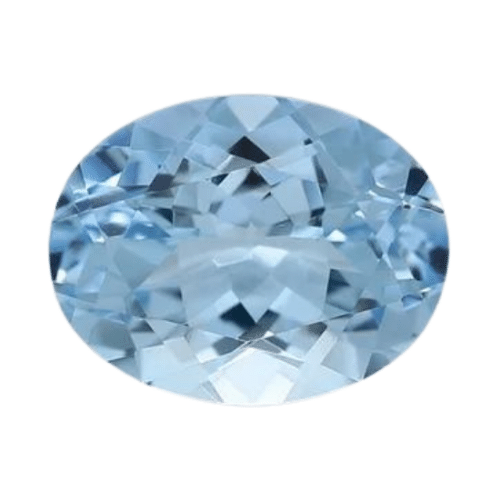 Aquamarine
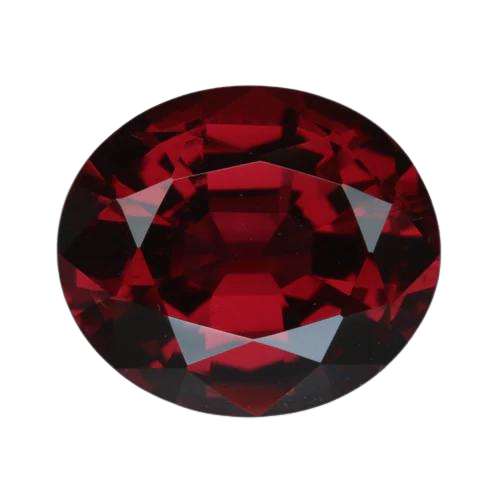 Spinel
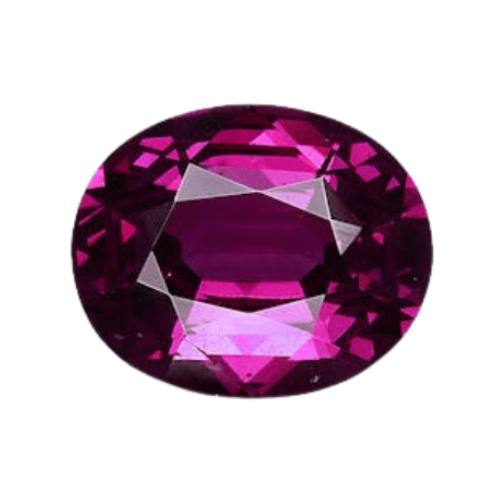 Garnet
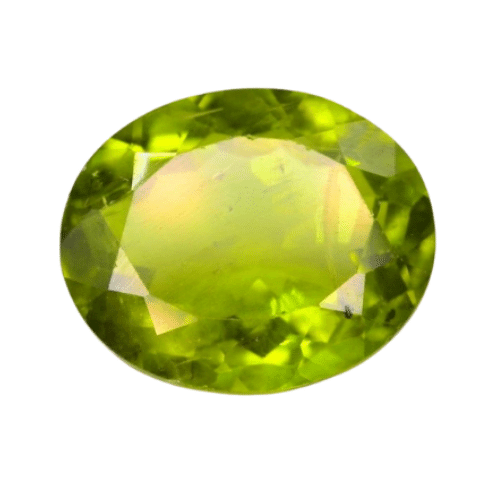 Peridot
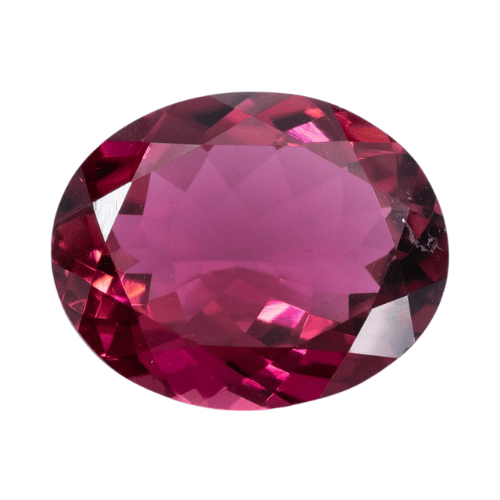 Tourmaline
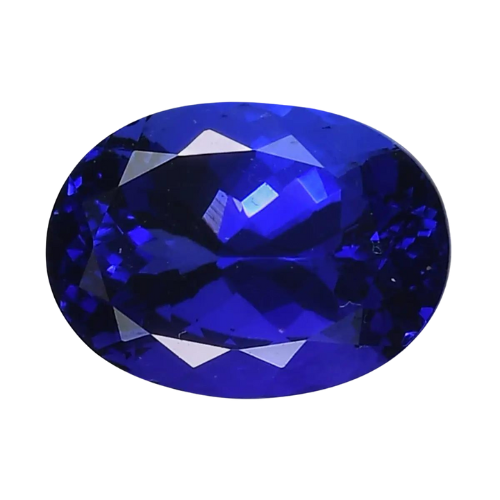 Tanzanite
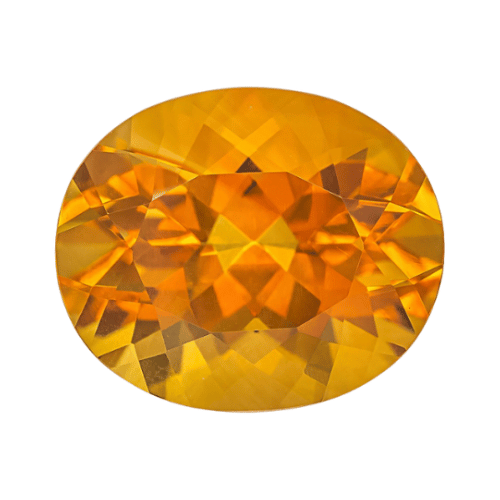 Citrine
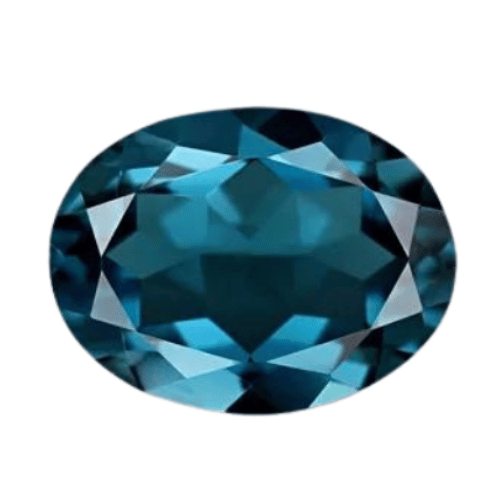 Quartz
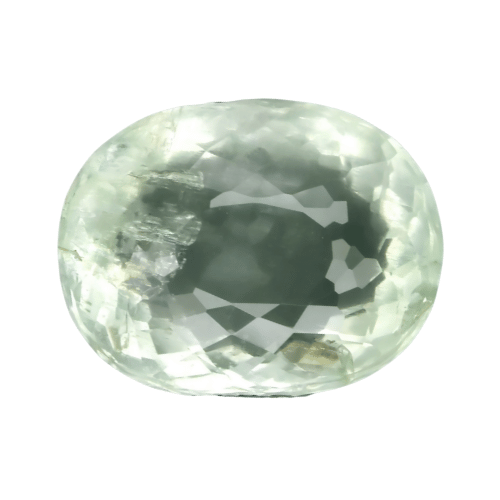 Chrysoberyl
 Apatite
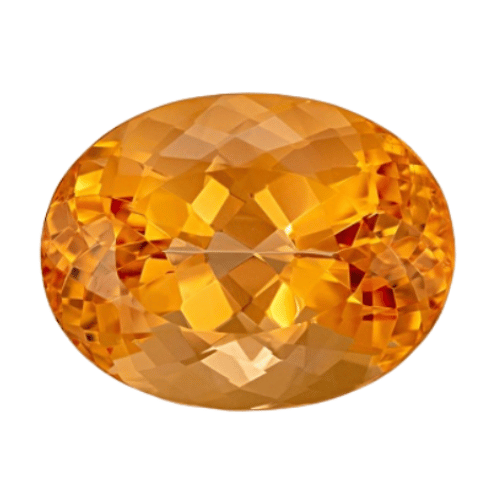 Topaz
Topaz
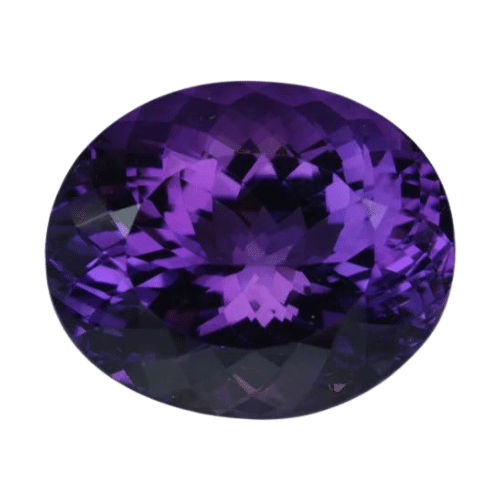 Amethyst
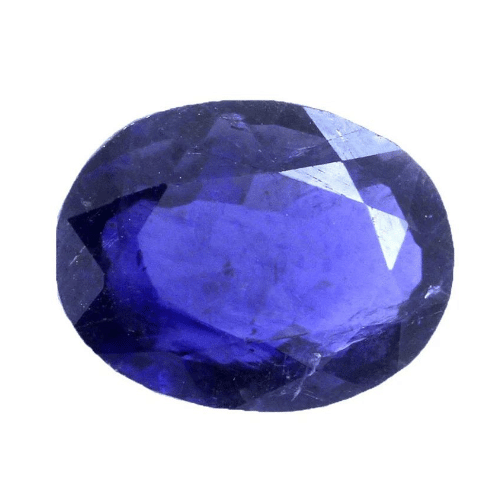 Lolite
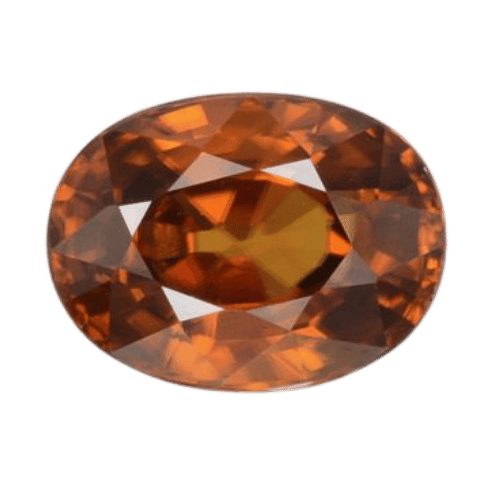 Zircon
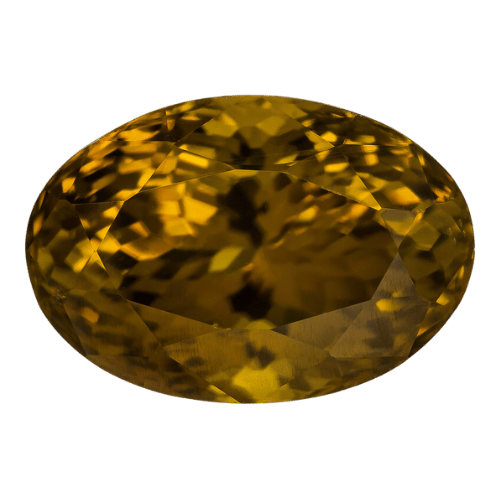 Sinhalite
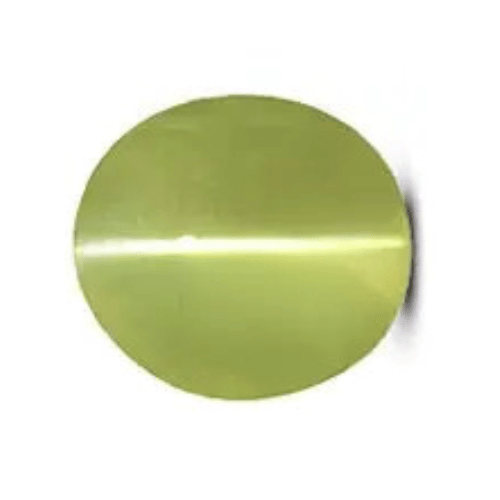 Cats Eye
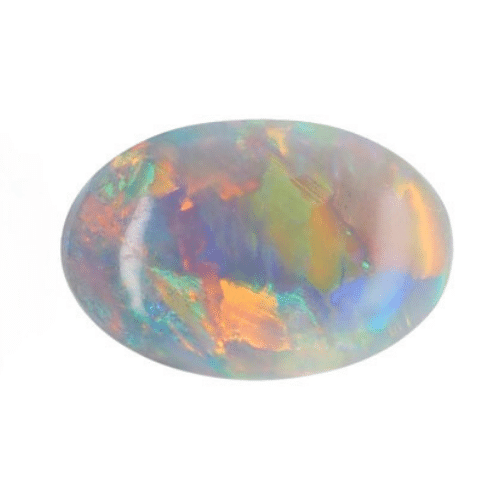 Opal
Opal
Stones we sell
Emerald
Green beryl prized for color first. Learn hardness, refractive index, typical treatments, and how to shop with confidence.
Seylan Gems & Jewelry
Original notes on the stones in our catalog, then how to judge color, what an origin line means, and how to care for what you buy. We do not publish claims that a gem changes luck or health.
Start here
Specs are typical published ranges. Each card links to that category when we have one.
Each of these is a category in our catalog. The numbers are typical ranges for the species, not a grade for one item.
Stones we sell
Green beryl prized for color first. Learn hardness, refractive index, typical treatments, and how to shop with confidence.
Stones we sell
Corundum beyond red. Ceylon blues, heat treatment norms, and how SG ~4.00 ties into carat estimates.
Stones we sell
Red corundum: hardness 9, SG ~4.00, heat norms, and what “pigeon’s blood” talk really means for buyers.
Stones we sell
A singly refractive gem often mistaken for sapphire or ruby. Hardness 8, and many fine stones are unheated.
Stones we sell
A family of gems, not one species. Color, hardness, and density change with the member of the family.
Stones we sell
The color-change variety of chrysoberyl. Daylight and indoor light should both be part of the decision.
Stones we sell
Hardness 8, with a cleavage that matters more than the marketing color name.
Stones we sell
High brilliance and strong doubling. It is a natural gem, not cubic zirconia.
Stones we sell
Blue to blue-green beryl. Often cleaner than emerald, and often heated to remove a green tint.
Stones we sell
Purple quartz. Color can fade with long heat or strong sun. It is not a kind of sapphire.
Stones we sell
Vivid neon colors, hardness only about 5. A collector stone, not a stone for hard daily wear.
Stones we sell
A hard gem, Mohs 8.5. Alexandrite and the classic cat’s eye are varieties, not the whole species.
Stones we sell
Yellow to orange quartz. Much of the strong color in the trade is heated amethyst, which should be said plainly.
Stones we sell
Orange to cinnamon grossular garnet. A Ceylon classic, with a rolled internal look that is normal for the stone.
Stones we sell
Violet-blue cordierite with strong pleochroism. Sometimes nicknamed water sapphire. It is not sapphire.
Stones we sell
Play of color in a stone that dislikes heat, dryness, and knocks. Hardness is not the whole story.
Stones we sell
A pink-orange sapphire. The word is used loosely. Treatment and a laboratory description matter more than the label alone.
Stones we sell
Yellow-green olivine. The color is part of the mineral, and doubling in the facets is normal.
Stones we sell
A family: amethyst, citrine, rose, smoky, and colorless rock crystal. The variety name is the useful one.
Stones we sell
A group, not one color. Rubellite is the red to pink variety. Pleochroism is strong, so orientation matters.
Stones we sell
A rare Ceylon gem, usually brownish yellow to greenish brown. Often mistaken for peridot or zircon until it is tested.
Stones we sell
Corundum cut as a cabochon so rutile silk reflects a star. Sharpness and centering of the rays matter as much as body color.
Stones we sell
Blue to violet zoisite from one region. Almost all of it is heated. Pleochroism is strong, and the stone needs a careful setting.
Stones we sell
Green grossular garnet. Usually untreated, singly refractive, and rarely as large as an emerald of the same color.
Stones we sell
A moving ray on a cabochon. Chrysoberyl cat’s eye is the classic. Any other species has to be named.
How to read a listing, compare color and cut, and separate a gift custom from a promise.
How to buy
Carat, millimetres, treatment, origin, and photos — what each line is allowed to mean.
How to buy
Three different things. Our catalog is natural gemstones unless a listing says otherwise in plain language.
How to buy
Why a heavier stone can look smaller, and why a watery center is usually a cutting choice.
How to buy
Useful clues. None of them is a gemologist’s report unless a laboratory issued one.
How to buy
A place name is an origin claim. It is not a color grade and not a quality medal.
How to buy
Heat, oil, and the difference between a routine treatment and a stone that should say unheated.
How to buy
A calendar tradition for gifts. Not a medical treatment and not a promise about luck.
How to buy
What to check before you pay, and where the stone ships from.
How to buy
How to judge a face-up gem: hue, tone, inclusions, and whether the cut lets light out.
What a test, an optical effect, or a country name can show.
Properties and origin
Effects you can see by moving the stone: asterism, chatoyancy, color change, and pleochroism.
Properties and origin
A country is a place. It is not a quality grade. Here is when an origin line is meaningful.
Which stones tolerate daily wear, and which should stay out of a steamer.
Care
Hardness is not toughness. Heat, steam, and ultrasonic cleaners are the usual ways a stone gets hurt at home.
Next steps
Join collectors who shop certified Ceylon stones with real 360° views. Code emailed instantly.
No spam. Unsubscribe anytime. One code per customer.
Enter your email. If you leave, we will send this cart back — Ceylon gems often sell as unique pieces.