Seylan Gems & Jewelry
Instruments narrow the possibilities. They do not, by themselves, write a certificate. If we show a reading or a close-up, read it as a clue attached to that item, then read the words on the listing.
Specifications
Typical published ranges used in gemology. Specific gravity below matches our carat calculator default where applicable. (SG 4.00)
| Refractometer | Measures refractive index on a flat facet, within the range of the instrument |
|---|---|
| Over the limit | Some stones, including diamond and often corundum, sit above a standard refractometer’s scale |
| Gem tester | Usually a thermal or electrical reaction used to separate diamond from many simulants |
| Polariscope | Shows whether a stone is singly or doubly refractive, if you can see the reaction |
| Loupe or photo | Shows inclusions and surface features the camera could resolve |
| Not included | A photo is not a report number, a country of origin, or a dollar value |
Each species has a band of refractive index. A reading inside the band supports that species and argues against others. A reading outside it means the stone is not that species, or the contact liquid failed, or the facet was not read cleanly. One number to two decimals is meaningful. A blurry photo of a scale is only as good as the digits you can actually read.
Standard contact refractometers do not measure stones above their limit. An “over the limit” result can fit diamond, zircon, and sometimes corundum. It does not name which one. Other observations have to finish the job.
A handheld tester that beeps for diamond is built to separate diamond from glass and cubic zirconia. It can be fooled by moissanite and by some other materials unless the instrument is the kind that also checks electrical conductivity. A tester result is a screen, not an identification by itself.
Inclusions can be characteristic: silk in corundum, crystals in spinel, curved growth in some lab-grown stones, bubbles in glass. A photograph shows what the lens resolved. It does not show what a microscope in another lab might still find. Do not treat a clean photo as proof of a flawless grade.
We will not invent a refractive index, a tester word, or an inclusion we did not record. We will not tell you a set of photos is a gemologist’s report. If you need a report for insurance or a dispute, you need a document from a laboratory, with a number you can check.
Use this page to know what to ask. Use the product page to see what we actually attached to the stone you are considering.
Ready to look
Browse certified stones estimate carat from millimetres or ask us to help interpret a report.
Join collectors who shop certified Ceylon stones with real 360° views. Code emailed instantly.
No spam. Unsubscribe anytime. One code per customer.
Enter your email. If you leave, we will send this cart back — Ceylon gems often sell as unique pieces.

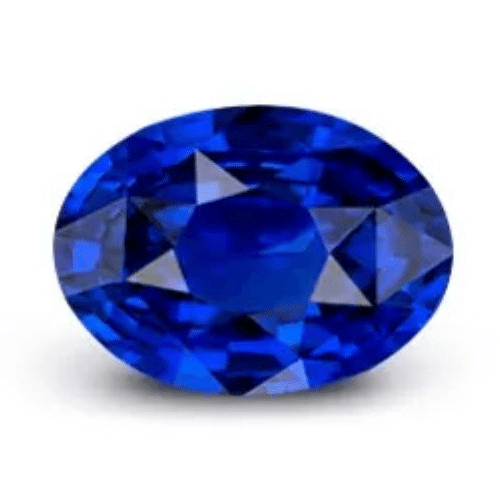 Sapphire
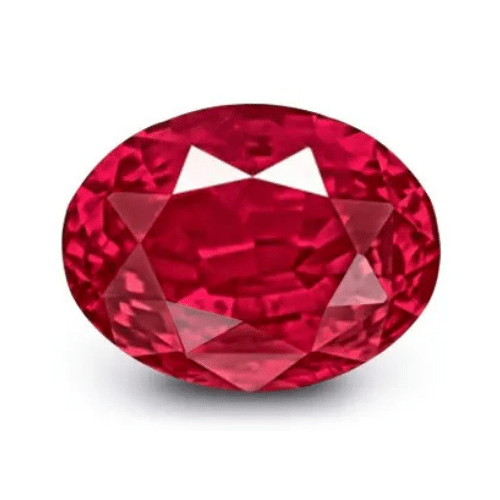 Ruby
Ruby
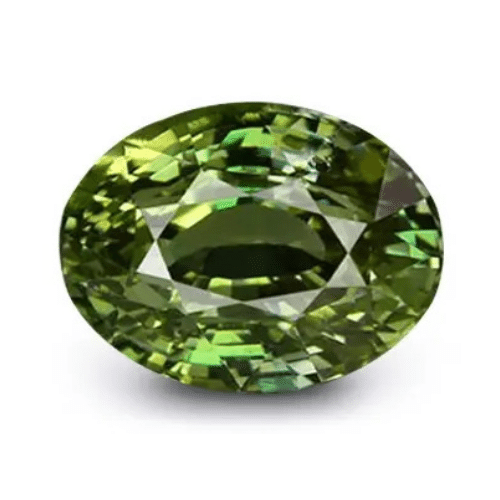 Alexandrite
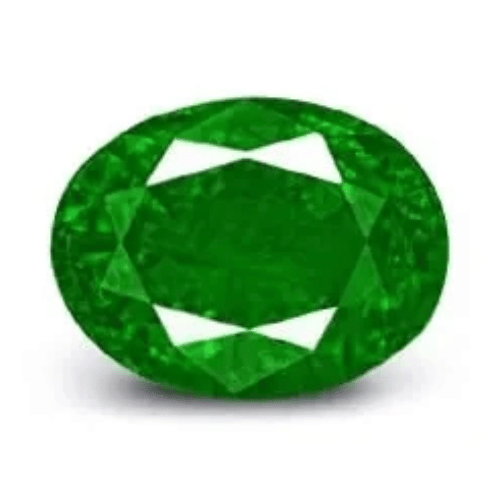 Emerald
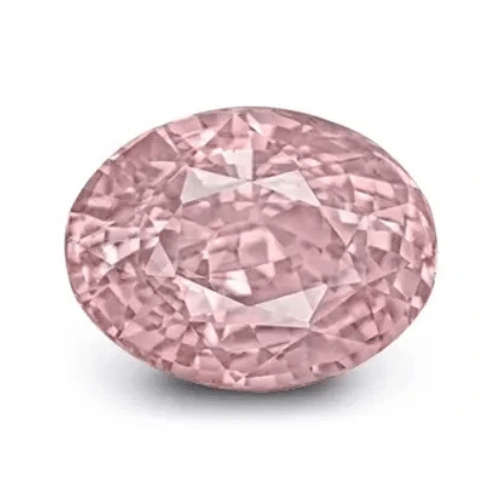 Padparadscha
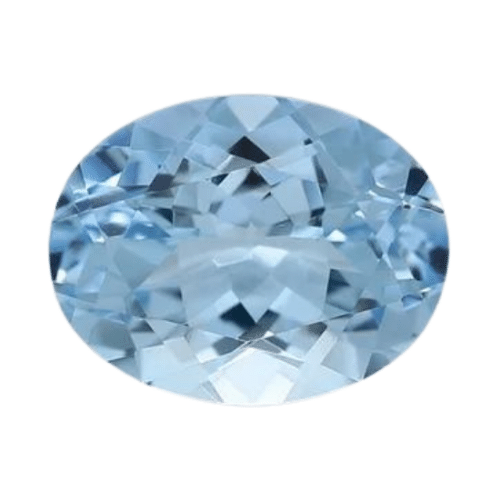 Aquamarine
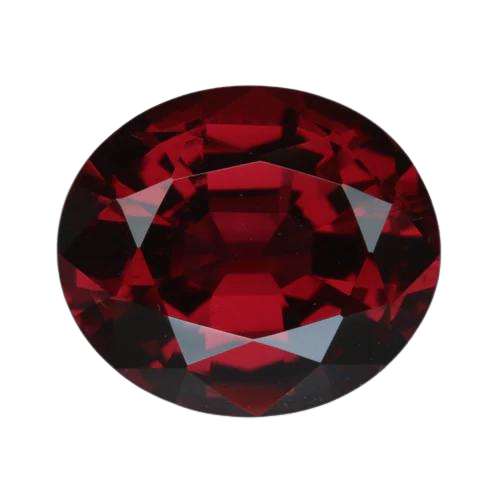 Spinel
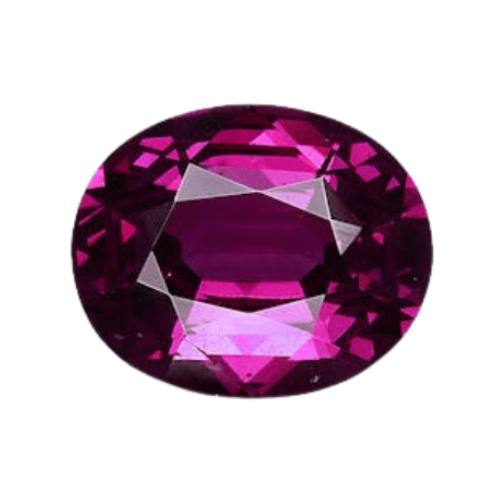 Garnet
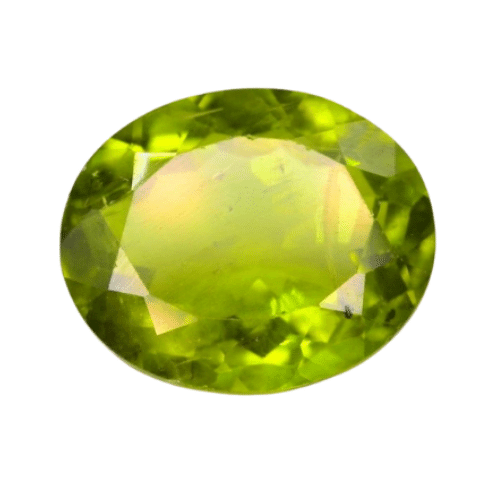 Peridot
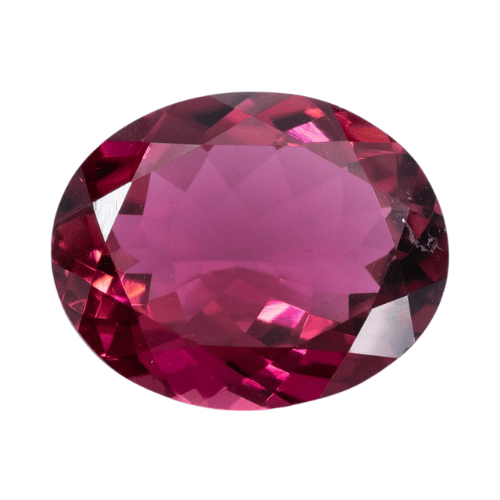 Tourmaline
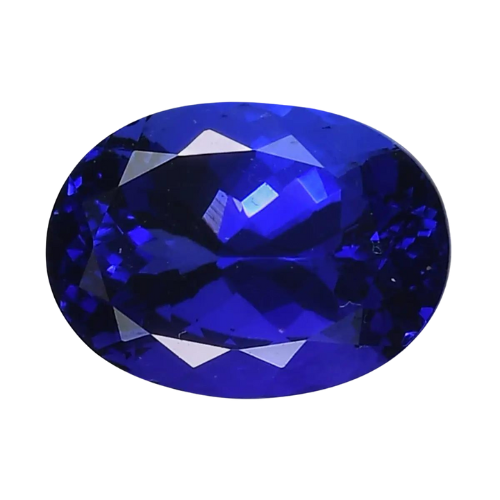 Tanzanite
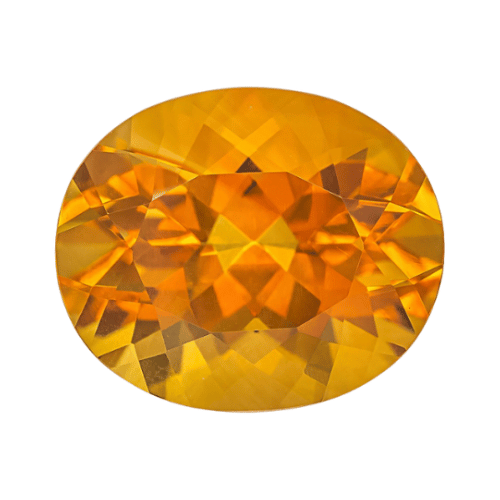 Citrine
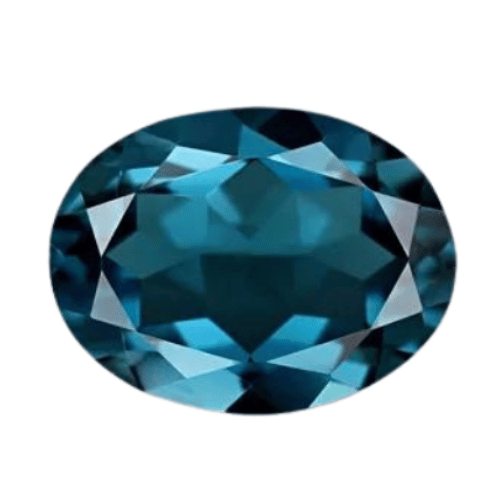 Quartz
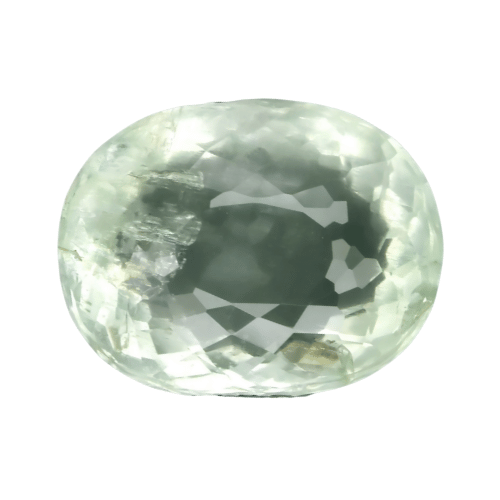 Chrysoberyl
 Apatite
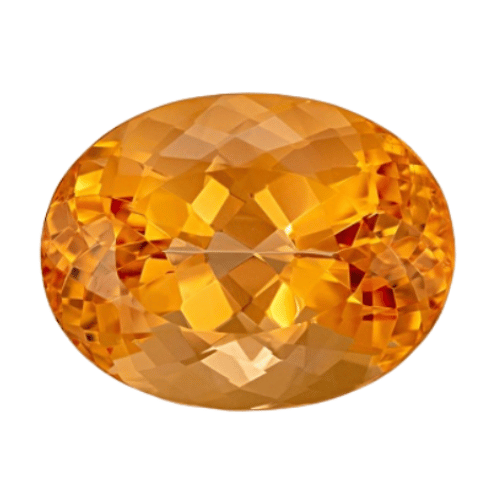 Topaz
Topaz
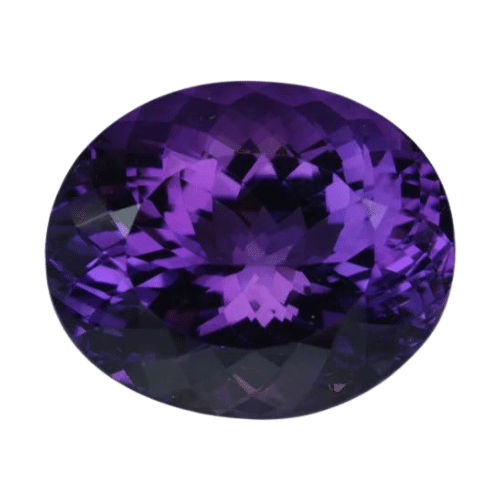 Amethyst
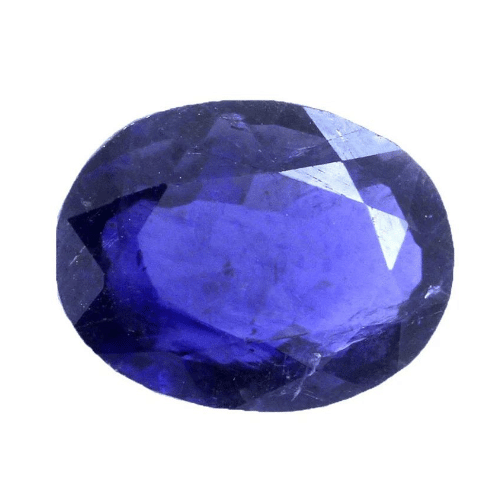 Lolite
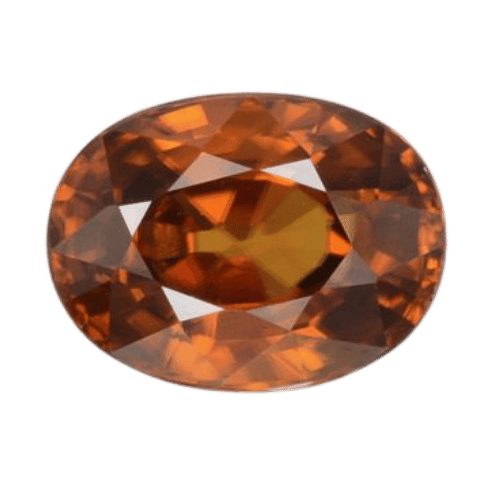 Zircon
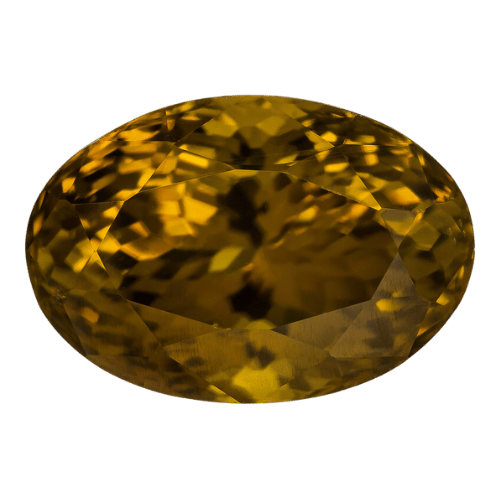 Sinhalite
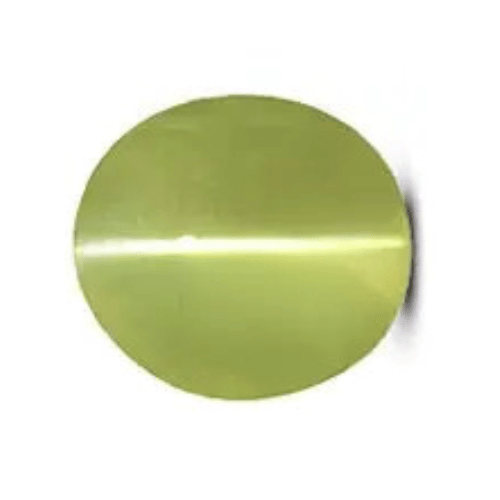 Cats Eye
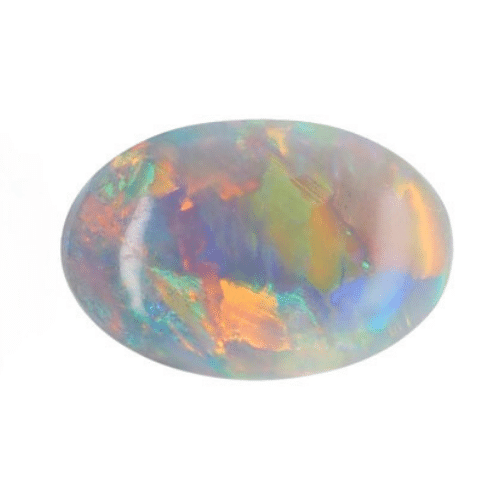 Opal
Opal