Seylan Gems & Jewelry
Cat’s eye is an effect, chatoyancy, not a species by itself. The classic stone is chrysoberyl: a honey, yellow, or greenish cabochon with one sharp ray. Ceylon is the source most associated with fine eyes. If the mineral is something else, the listing has to say so.
Specifications
Typical published ranges used in gemology. Specific gravity below matches our carat calculator default where applicable. (SG 3.73)
| Effect | Chatoyancy, a single moving ray |
|---|---|
| Classic species | Chrysoberyl |
| Hardness when it is chrysoberyl | 8.5 |
| Cut | Cabochon |
| What you judge | Sharpness, centering, and how the ray opens and closes |
| Other species | Quartz, tourmaline, and apatite can show an eye and must be named |
Under a single direct light, the ray should be bright, straight, and centered. Tilt the stone: a good eye opens into a pool of light on one side and tightens to a line on the other. That milk-and-honey shift is what Ceylon chrysoberyl is known for. A wide, broken, or off-center ray is a weaker stone, even if the body color is pretty.
Faceting destroys the setup that makes the ray. If a stone is faceted, it is not this effect.
Quartz cat’s eye is common and much less expensive. It can still be an honest jewel if it is sold as quartz. Selling it as chrysoberyl is not a difference of opinion. It is a different mineral, hardness 7 instead of 8.5.
Our cat’s eye category is the place to see what we have. The product title should carry the species. This guide does not upgrade a stone that the title left vague.
No. A cat’s eye is one ray. A star is four, six, or twelve rays from a different orientation of needles. Both are cabochons.
It is strongest under a single point of light. In diffuse daylight it softens. It should still be findable. A ray that exists only in one retouched photo is not enough.
Ready to look
Browse certified stones estimate carat from millimetres or ask us to help interpret a report.
Join collectors who shop certified Ceylon stones with real 360° views. Code emailed instantly.
No spam. Unsubscribe anytime. One code per customer.
Enter your email. If you leave, we will send this cart back — Ceylon gems often sell as unique pieces.

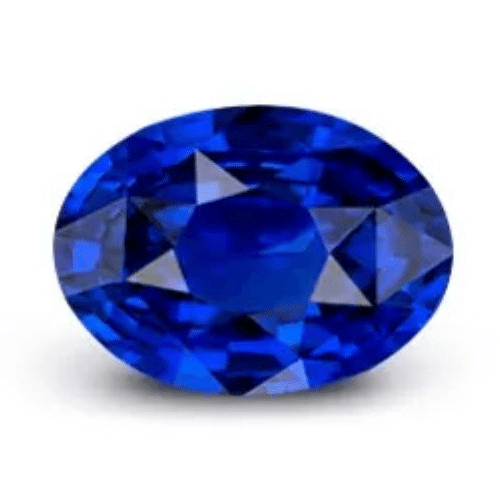 Sapphire
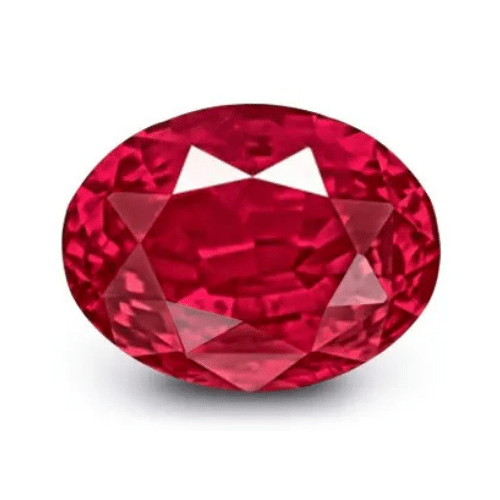 Ruby
Ruby
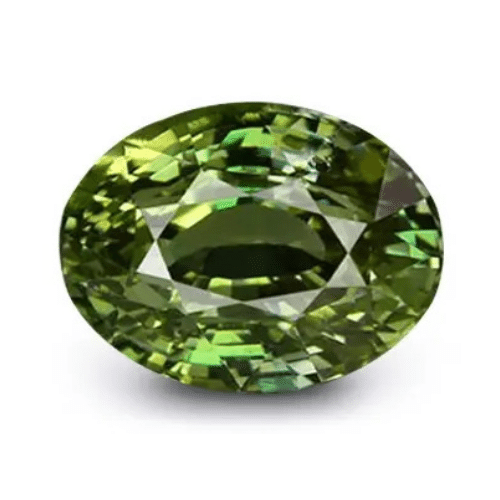 Alexandrite
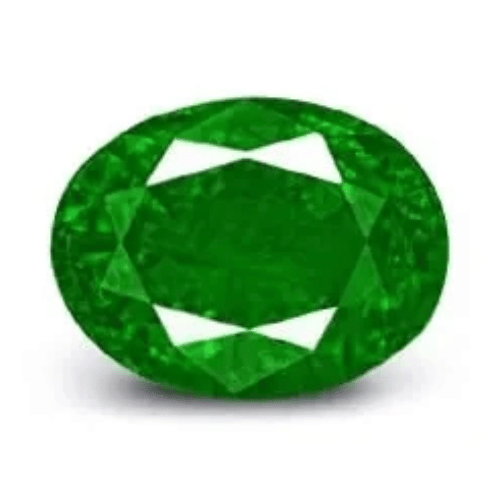 Emerald
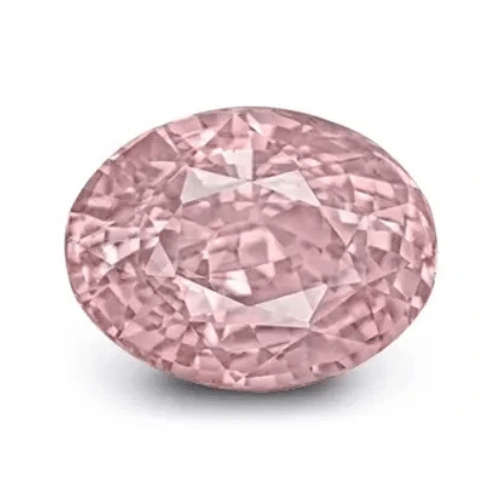 Padparadscha
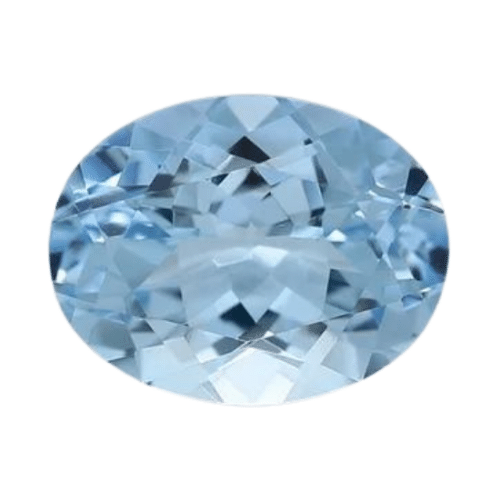 Aquamarine
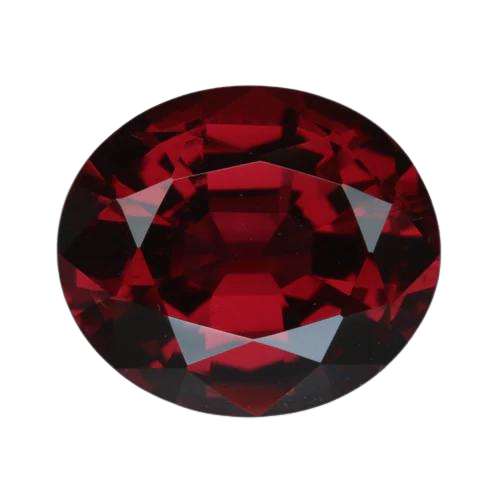 Spinel
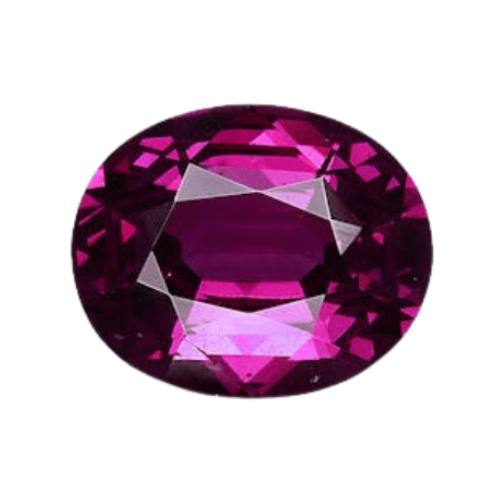 Garnet
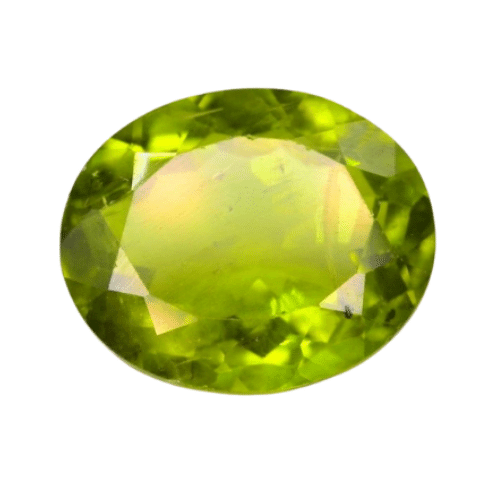 Peridot
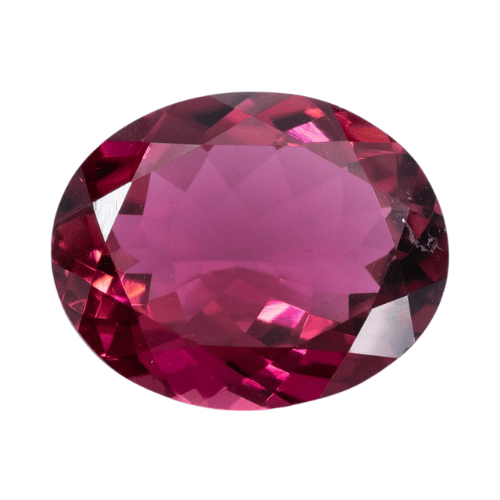 Tourmaline
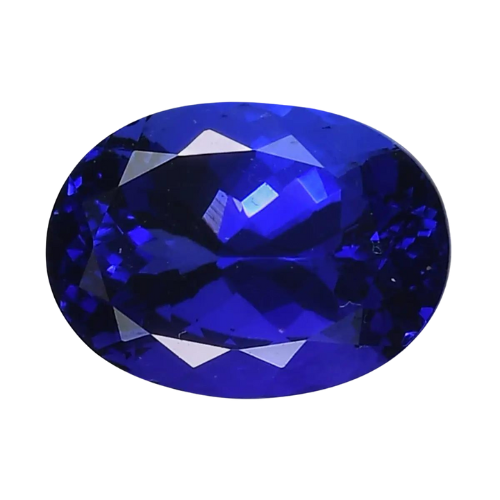 Tanzanite
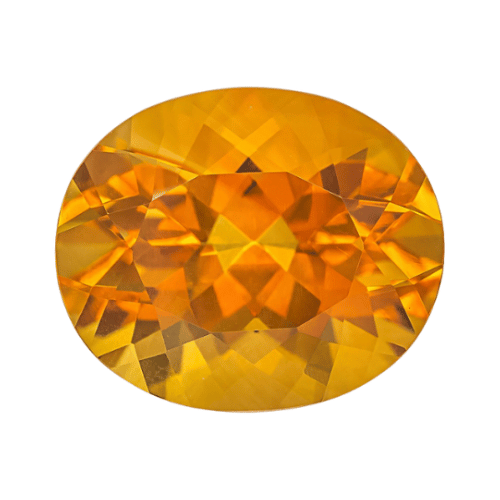 Citrine
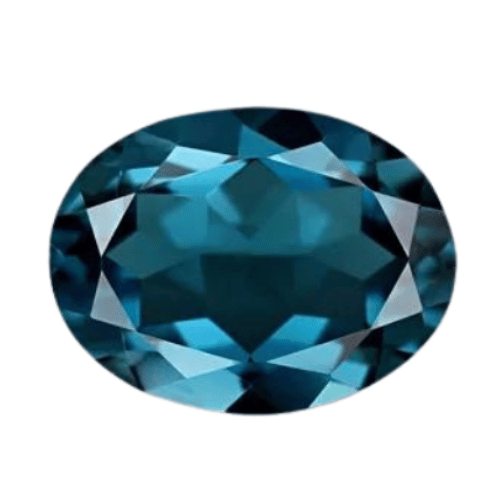 Quartz
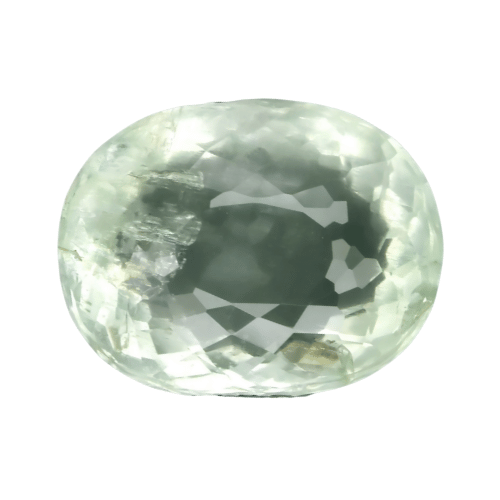 Chrysoberyl
 Apatite
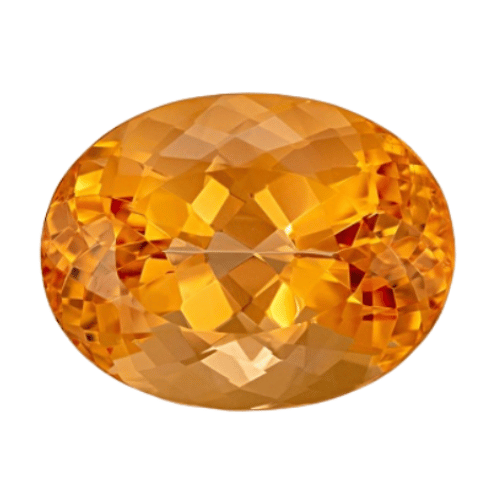 Topaz
Topaz
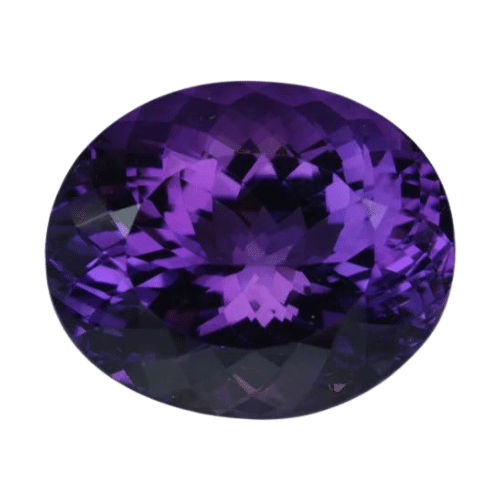 Amethyst
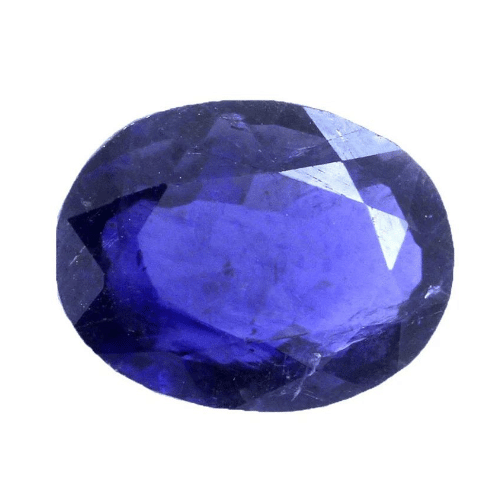 Lolite
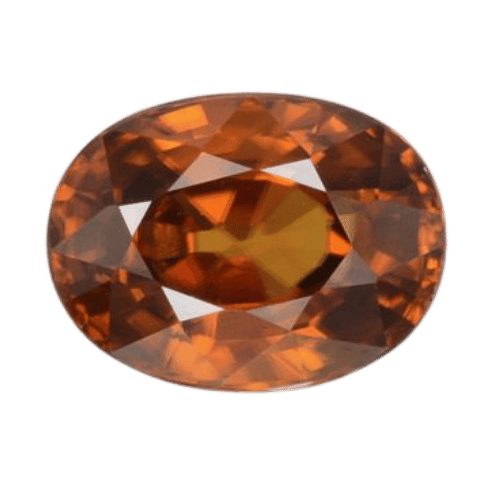 Zircon
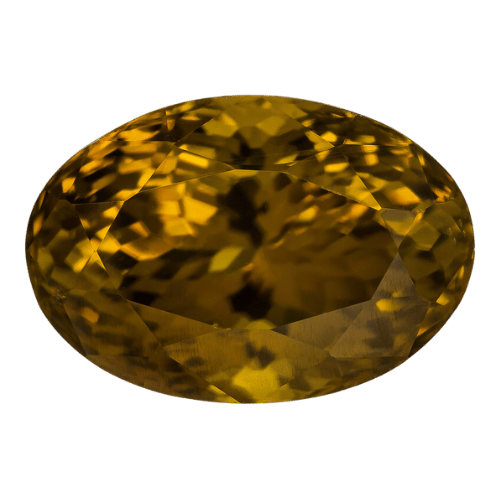 Sinhalite
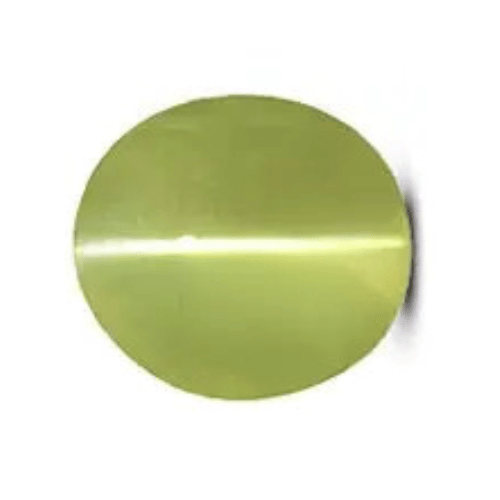 Cats Eye
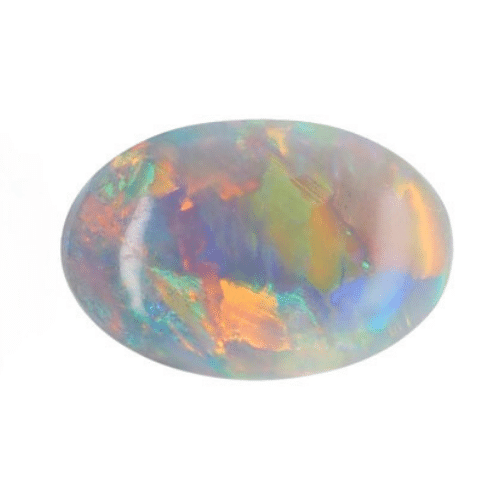 Opal
Opal