Seylan Gems & Jewelry
Natural means the gem grew in the earth. Lab-grown means people grew a crystal with the same chemistry as the natural species. A lookalike, or simulant, is a different material that only imitates the look. Those three words are not interchangeable.
Specifications
Typical published ranges used in gemology. Specific gravity below matches our carat calculator default where applicable. (SG 4.00)
| Natural | Formed in the earth, then cut |
|---|---|
| Lab-grown | Same species, grown by people; must be named as such |
| Simulant | A different material, such as glass or cubic zirconia, imitating a look |
| Assembled | Two or more pieces joined, such as a doublet |
| Our default | Natural, unless that item’s text says otherwise |
| What a photo proves | Appearance. Not origin, and not natural versus grown |
A lab-grown sapphire can be real corundum and still not be a natural Ceylon sapphire. The price, the scarcity, and the disclosure are different. If we ever offered a lab-grown stone, the title and the description would say lab-grown in ordinary words. Silence is not a hint. Silence means read the listing as natural, which is what we sell.
Treatments such as heat do not turn a natural stone into a lab-grown stone. Heat is a treatment of a natural gem. It still has to be disclosed when it applies. An unheated claim is a separate sentence from a natural claim.
Glass, cubic zirconia, and assembled doublets can be attractive and are honest products when they are named. They are not substitutes we hide inside a natural listing. Strong doubling, bubbles, a molded surface, or a refractive index far from the species are the classic warnings. You should not have to run those tests to be safe on our site. The name on the listing is the contract. The tests are how a careful seller checks the name before it is printed.
If a price looks far below other stones of the same species, size, and stated quality, stop and ask what is different. A real difference might be color, a treatment, or a chip. It might also be that the stone is not the species in the headline. Ask.
We will not call a stone natural because a photograph looks natural. We will not call it Ceylon because the color resembles a memory of Ceylon. Those words stay off the page unless we are prepared to attach them to that item.
This guide is how to read our language. It is not a gemologist’s report, and it is not a promise that every stone in the world is what a seller says it is.
Ready to look
Browse certified stones estimate carat from millimetres or ask us to help interpret a report.
Join collectors who shop certified Ceylon stones with real 360° views. Code emailed instantly.
No spam. Unsubscribe anytime. One code per customer.
Enter your email. If you leave, we will send this cart back — Ceylon gems often sell as unique pieces.

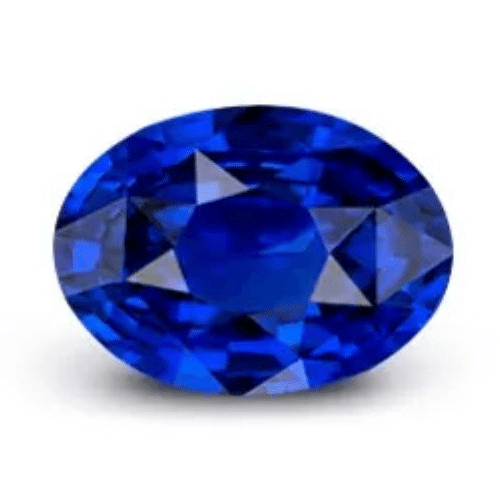 Sapphire
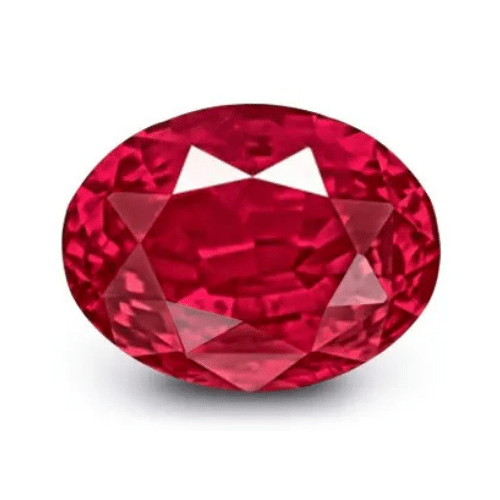 Ruby
Ruby
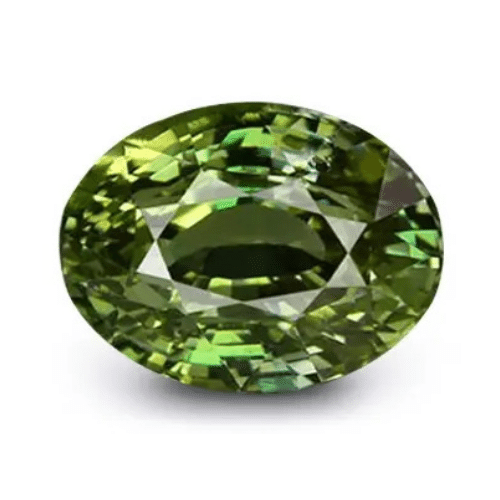 Alexandrite
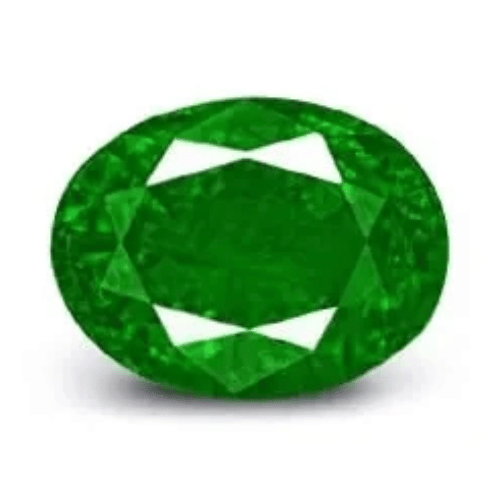 Emerald
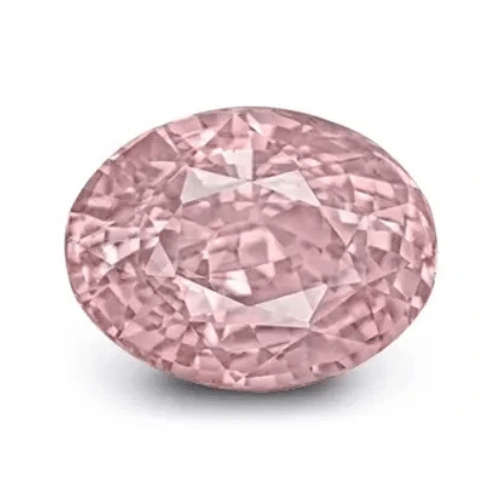 Padparadscha
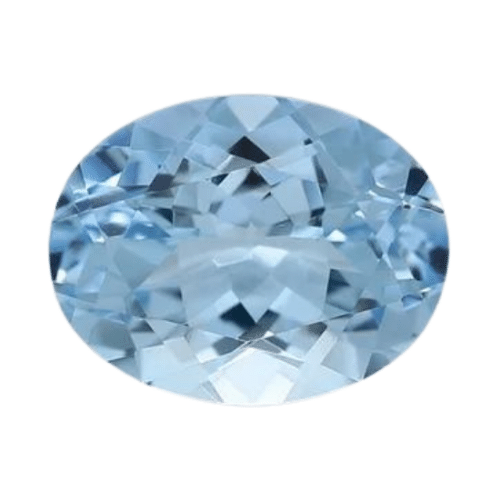 Aquamarine
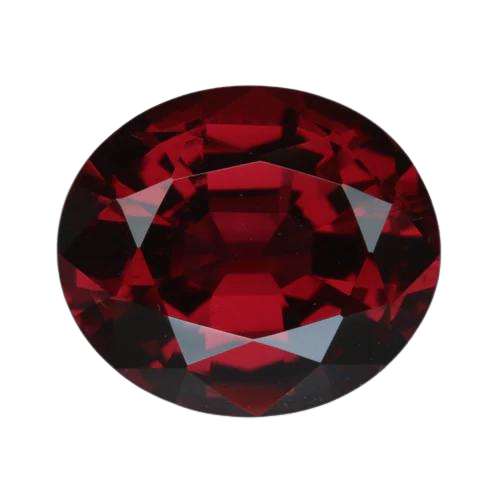 Spinel
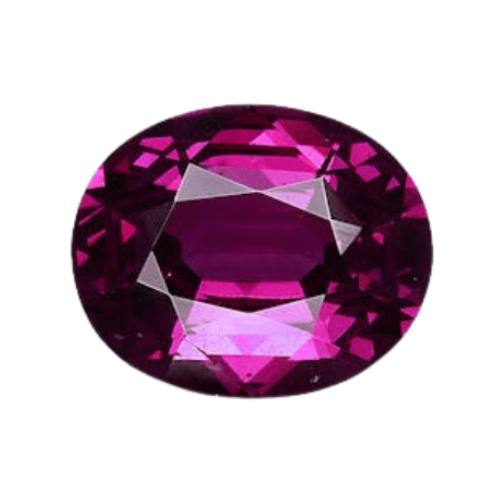 Garnet
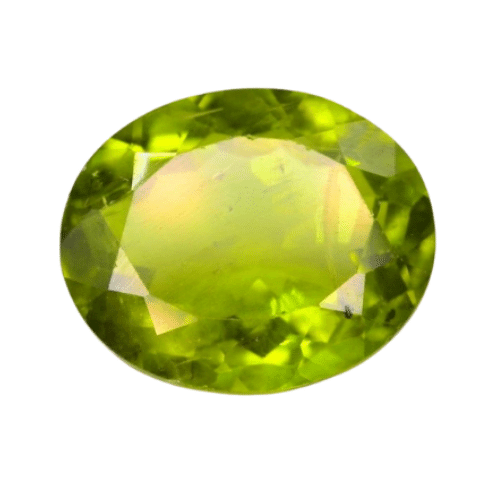 Peridot
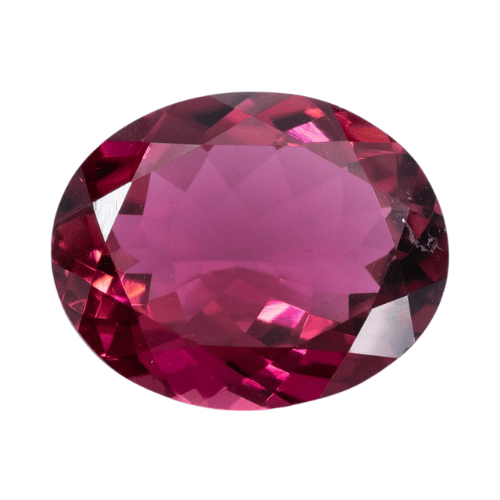 Tourmaline
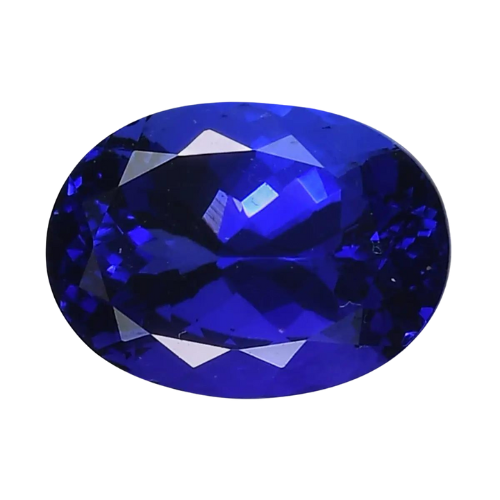 Tanzanite
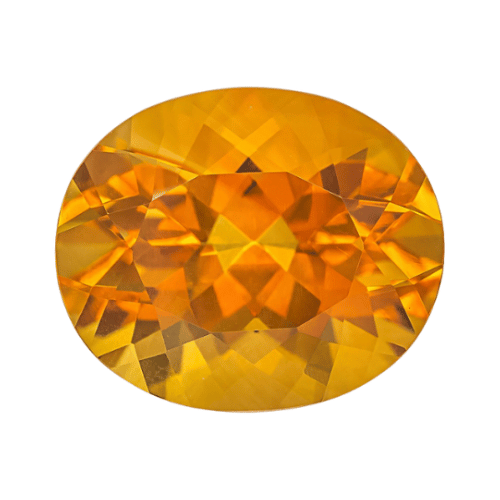 Citrine
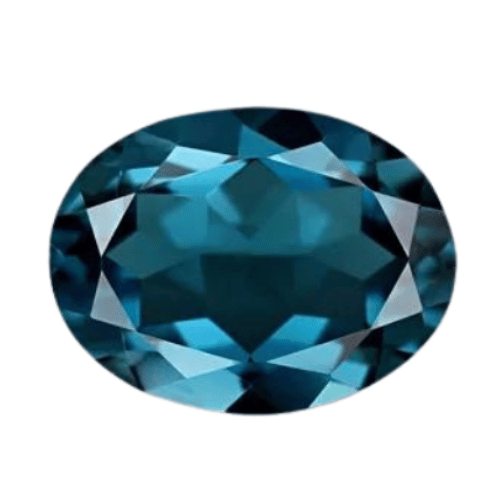 Quartz
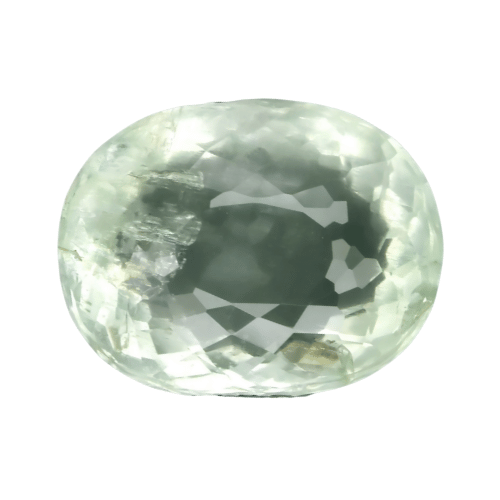 Chrysoberyl
 Apatite
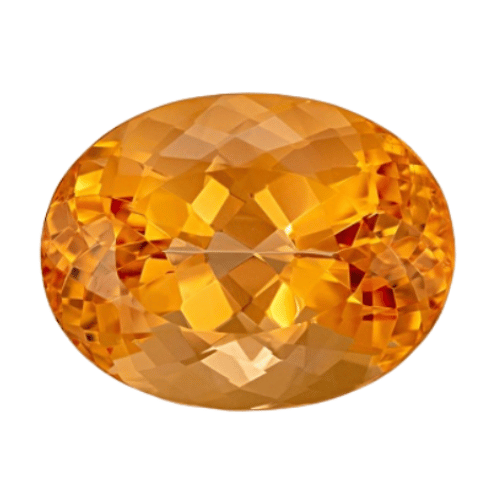 Topaz
Topaz
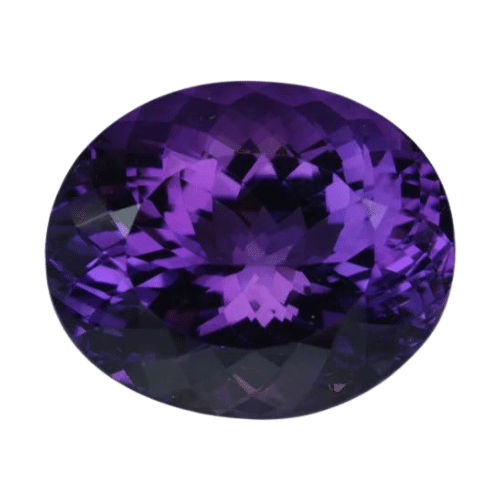 Amethyst
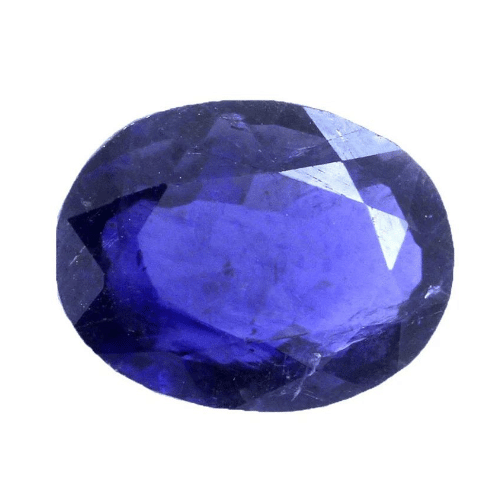 Lolite
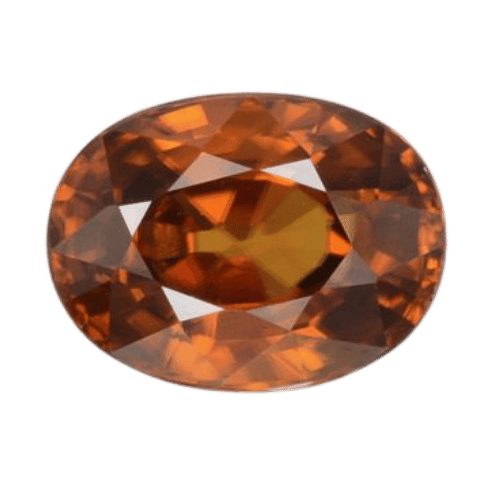 Zircon
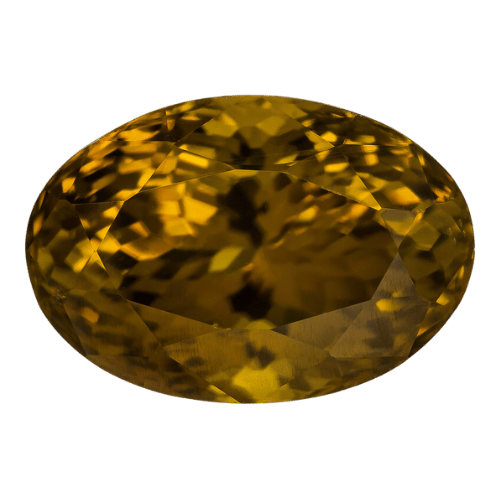 Sinhalite
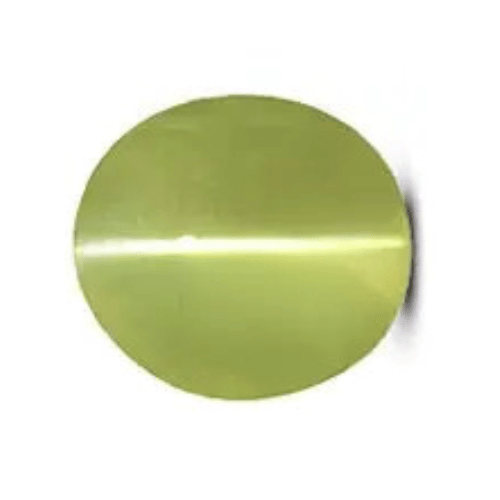 Cats Eye
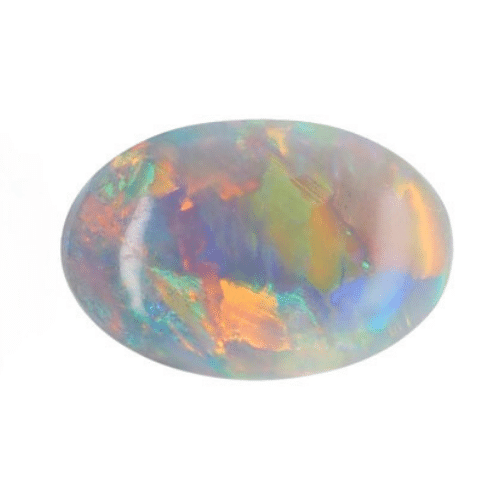 Opal
Opal