Seylan Gems & Jewelry
Citrine is yellow to orange quartz. A natural pale yellow exists. The strong orange stones most people picture are often amethyst that has been heated. Either can be attractive. The listing should not pretend they are the same story.
Specifications
Typical published ranges used in gemology. Specific gravity below matches our carat calculator default where applicable. (SG 2.65)
| Hardness (Mohs) | 7 |
|---|---|
| Refractive index | About 1.544–1.553 |
| Optic character | Doubly refractive |
| Specific gravity | About 2.65 |
| Chemistry | Quartz |
| Lustre | Vitreous |
Golden topaz is harder and denser. Yellow sapphire is corundum. Citrine is quartz. A large citrine is easier to find, and easier to chip at a thin edge, than a yellow sapphire of the same face-up size.
Compare millimetres if you are matching a setting. Carat weight will not line up across those species.
An even yellow or orange, without brown patches that look muddy in daylight. Heated material can be a bright orange. That is acceptable when it is disclosed. It is not a rare untreated gem just because the photo is saturated.
Often, yes. Heating purple quartz can produce yellow to orange citrine. Natural citrine is usually paler. Ask if the listing states which one you are seeing.
It is more stable than amethyst, but strong heat can still change quartz color. Do not steam it or leave it against a hot lamp.
Ready to look
Browse certified stones estimate carat from millimetres or ask us to help interpret a report.
Join collectors who shop certified Ceylon stones with real 360° views. Code emailed instantly.
No spam. Unsubscribe anytime. One code per customer.
Enter your email. If you leave, we will send this cart back — Ceylon gems often sell as unique pieces.

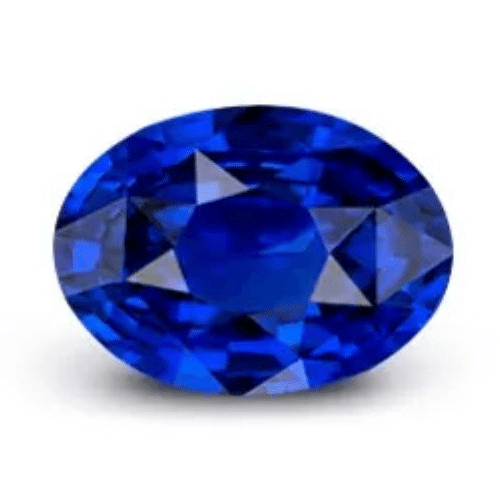 Sapphire
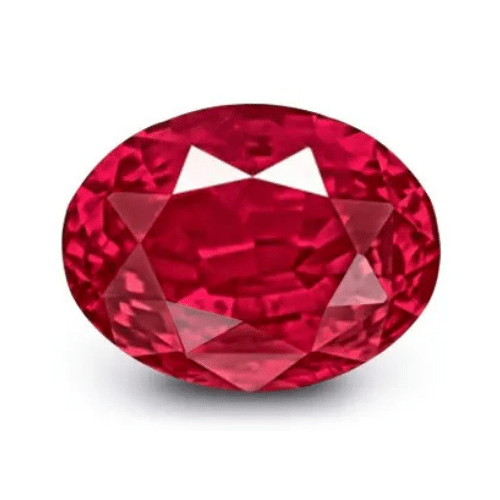 Ruby
Ruby
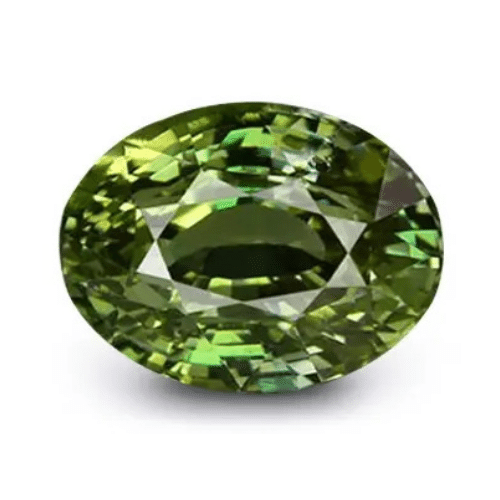 Alexandrite
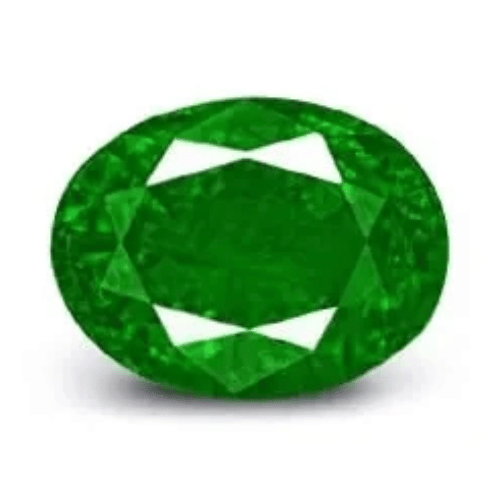 Emerald
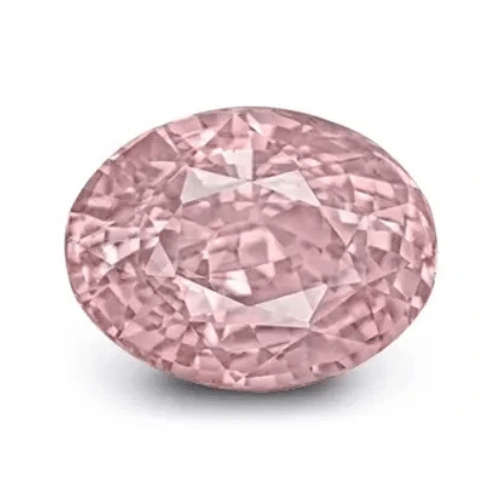 Padparadscha
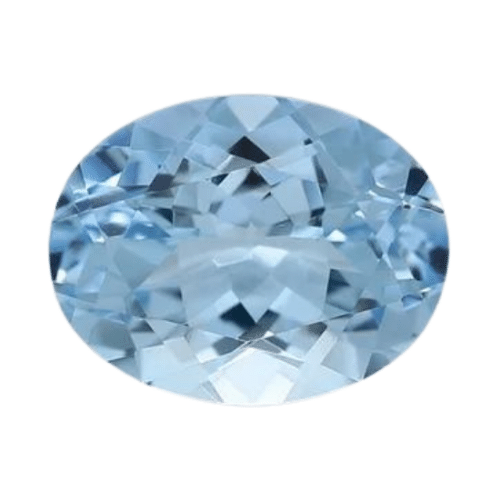 Aquamarine
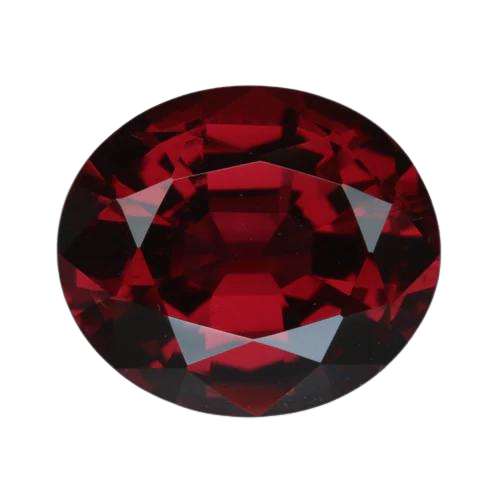 Spinel
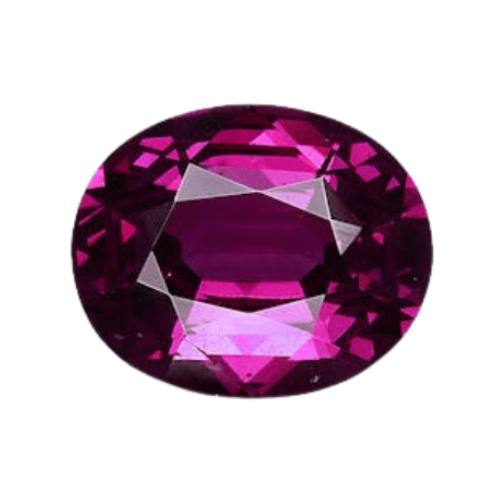 Garnet
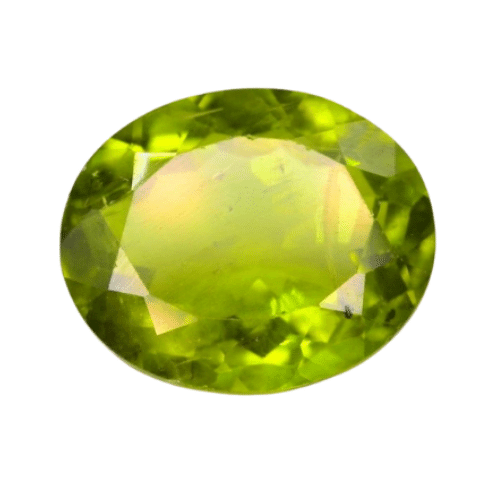 Peridot
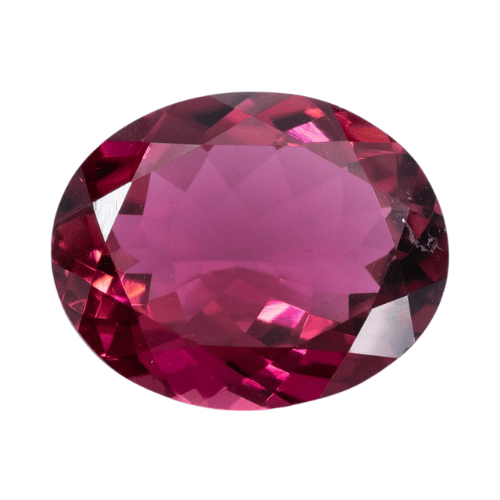 Tourmaline
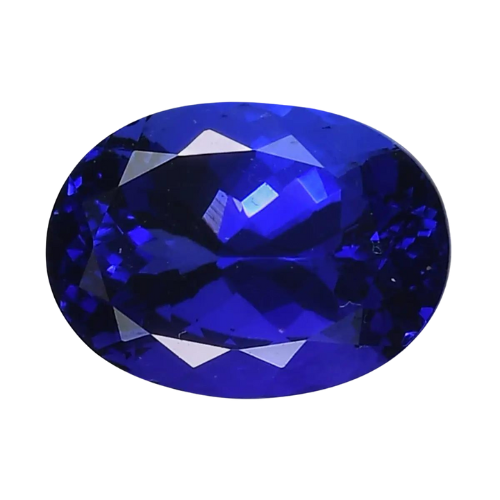 Tanzanite
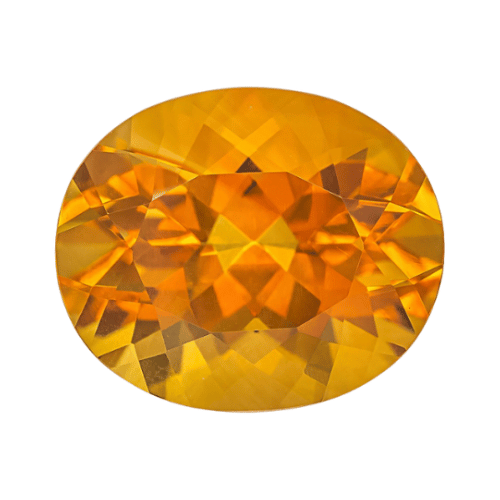 Citrine
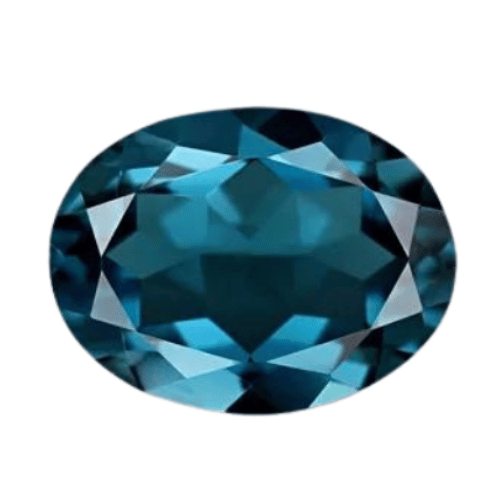 Quartz
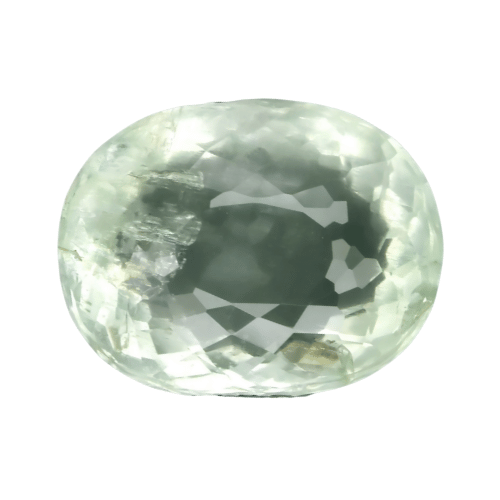 Chrysoberyl
 Apatite
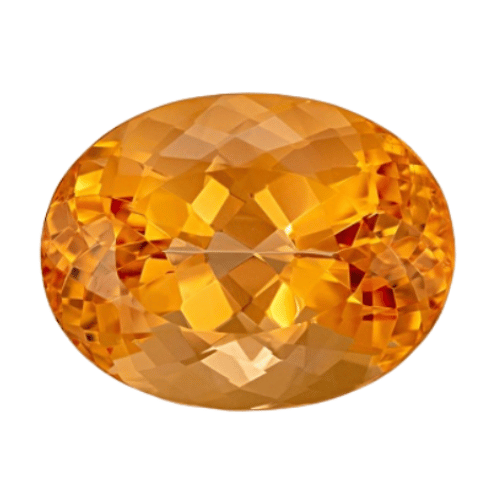 Topaz
Topaz
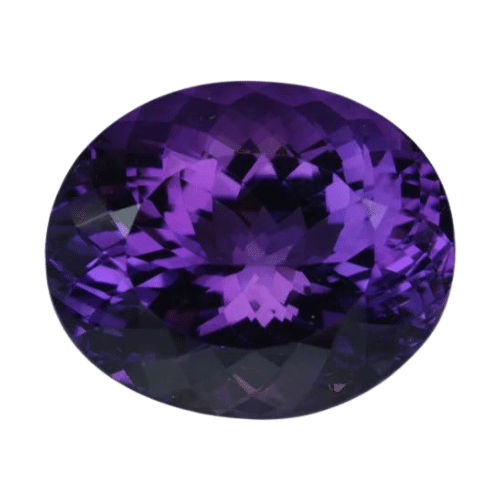 Amethyst
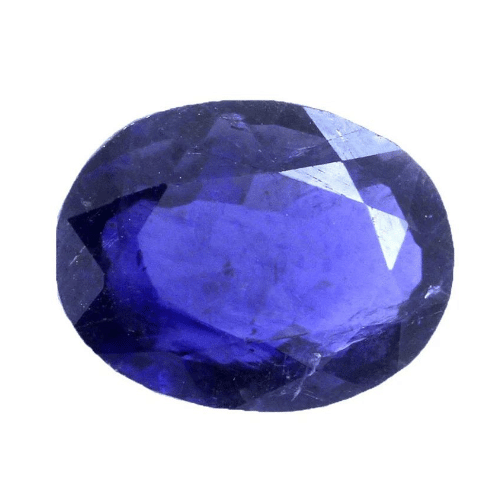 Lolite
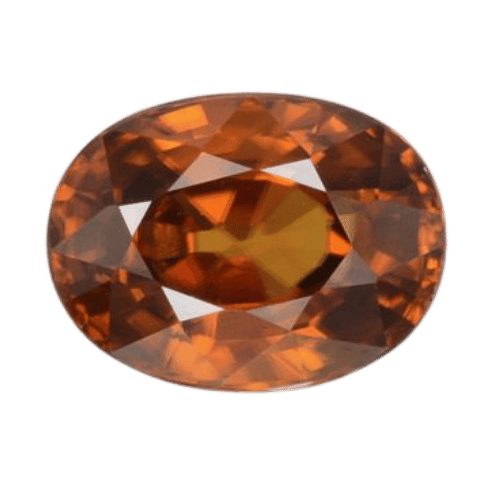 Zircon
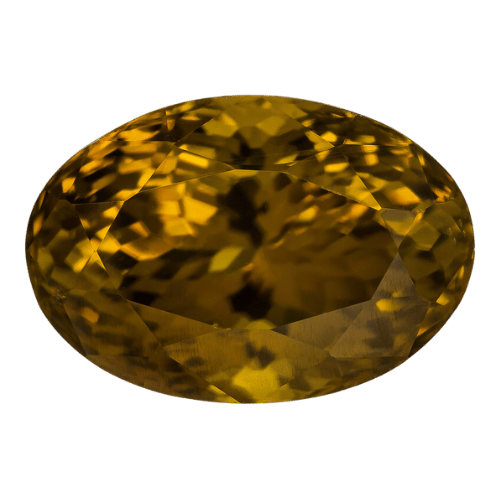 Sinhalite
 Cats Eye
 Opal
Opal