Seylan Gems & Jewelry
Some gems are bought for an effect that a single head-on photo cannot hold. A star, a cat’s eye, a color change, or a shift from blue to gray as you turn the stone are different causes. The listing should name the effect and the species.
Specifications
Typical published ranges used in gemology. Specific gravity below matches our carat calculator default where applicable. (SG 4.00)
| Star | Asterism, usually six rays on a cabochon |
|---|---|
| Cat’s eye | Chatoyancy, one ray on a cabochon |
| Color change | A different hue in different lights, as in alexandrite |
| Pleochroism | Different colors down different crystal directions |
| Play of color | Opal’s moving flashes, not the same as diamond fire |
| Proof | You should see the effect in person or in an honest moving view |
Both come from fine parallel needles or tubes. The cut has to be a cabochon aligned to those needles. A star has several rays crossing. A cat’s eye has one. Sharpness and centering are the quality, together with body color.
Our star sapphire and cat’s eye guides go into the version we sell. Glass can imitate either effect. Species and “natural” are separate claims.
Alexandrite is the reference for color change: a different hue in daylight than in warm indoor light. Turning the stone in one light is not the test. Changing the light is the test.
Iolite, tanzanite, and tourmaline are strongly pleochroic. Turn them and the color shifts even under the same lamp, because you are looking down a different crystal direction. A good cut chooses the direction you want to wear. That is not a color-change stone, and it should not be described as one.
The needles are in the crystal. The cutter reveals them. High heat can destroy rutile silk and the star with it. A painted star on the back of a cabochon is an imitation and has to be sold as that.
No. A weak shift is still color change and is worth less than a strong one. Look at both lights before you pay for the word.
Ready to look
Browse certified stones estimate carat from millimetres or ask us to help interpret a report.
Join collectors who shop certified Ceylon stones with real 360° views. Code emailed instantly.
No spam. Unsubscribe anytime. One code per customer.
Enter your email. If you leave, we will send this cart back — Ceylon gems often sell as unique pieces.

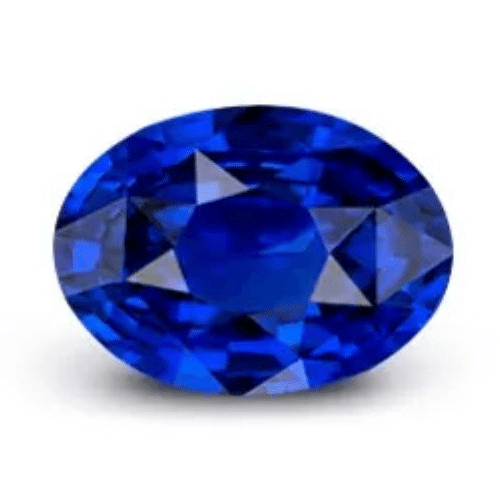 Sapphire
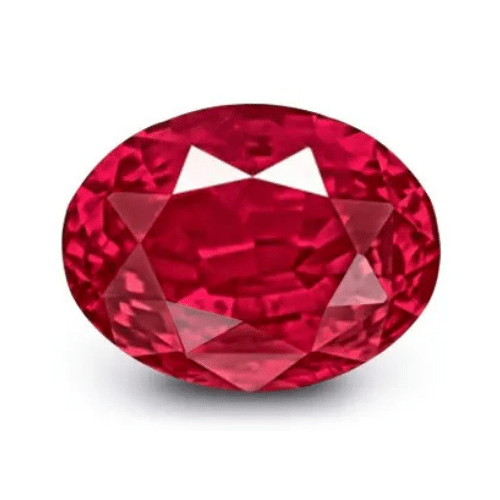 Ruby
Ruby
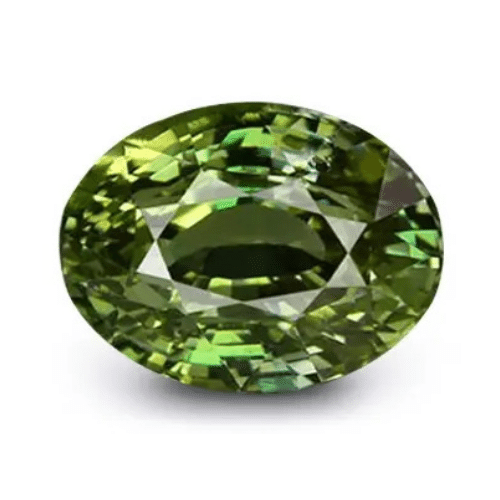 Alexandrite
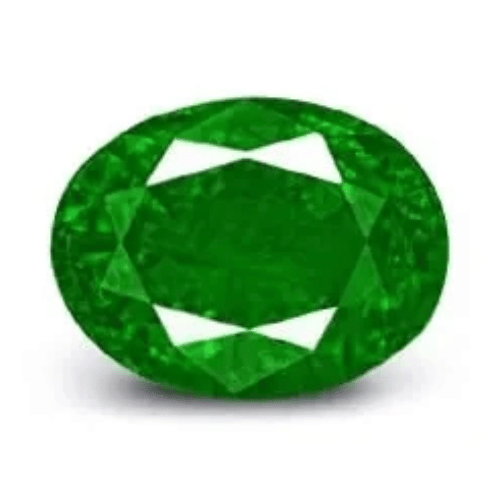 Emerald
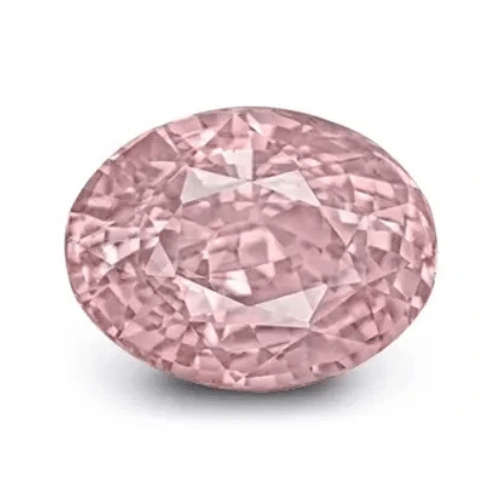 Padparadscha
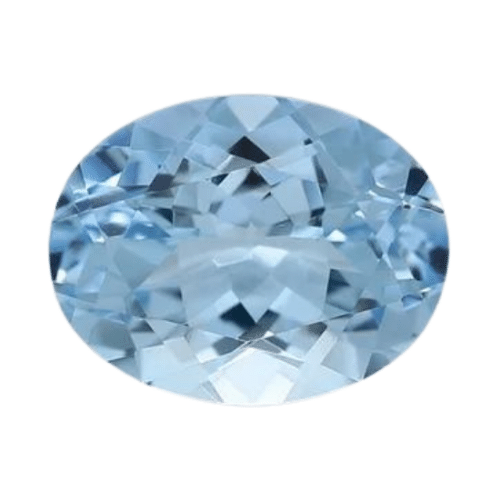 Aquamarine
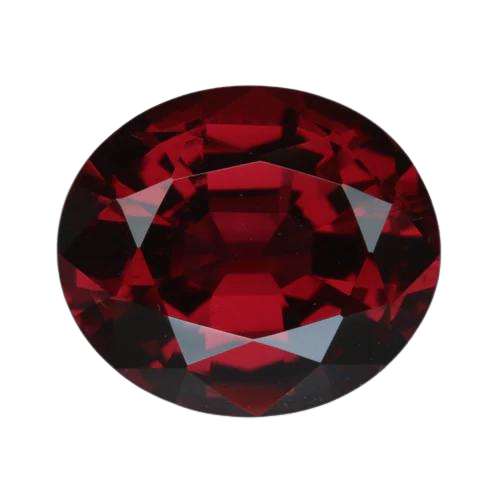 Spinel
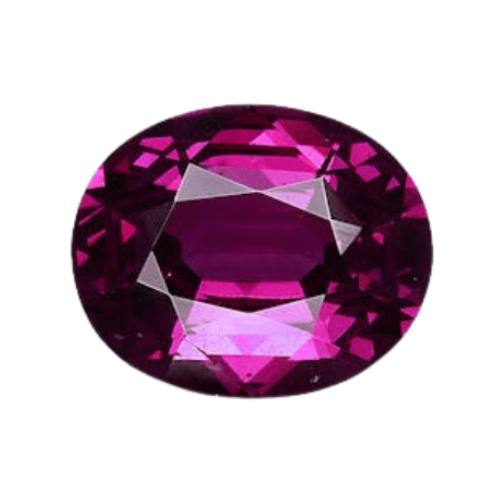 Garnet
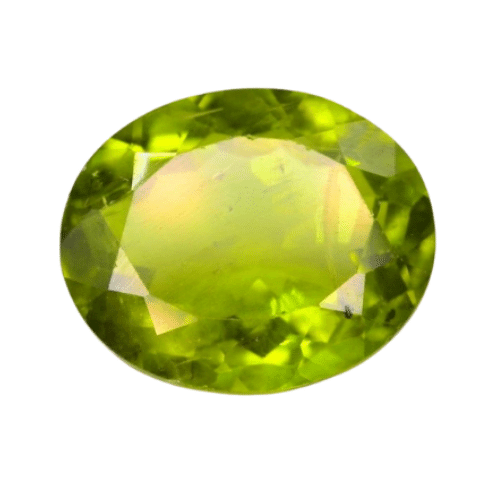 Peridot
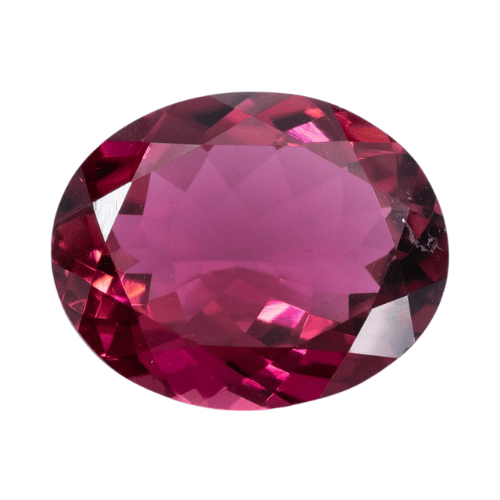 Tourmaline
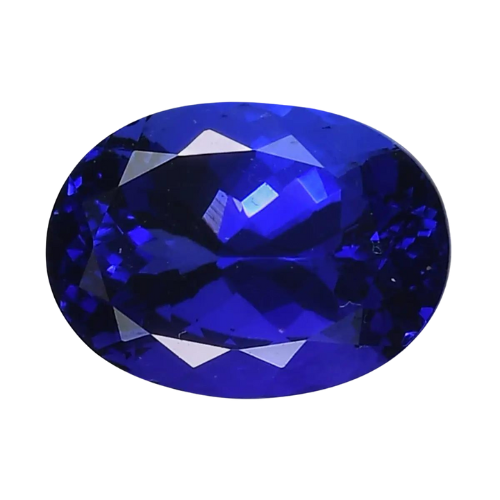 Tanzanite
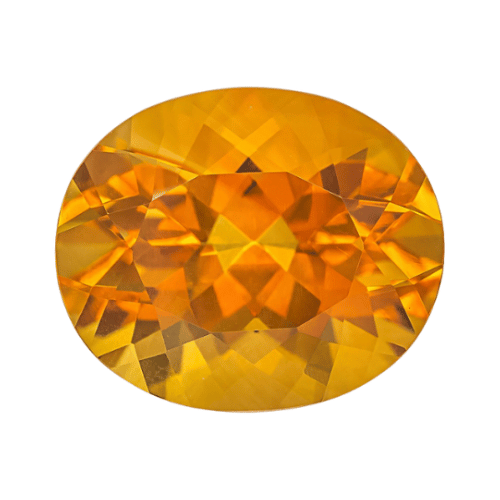 Citrine
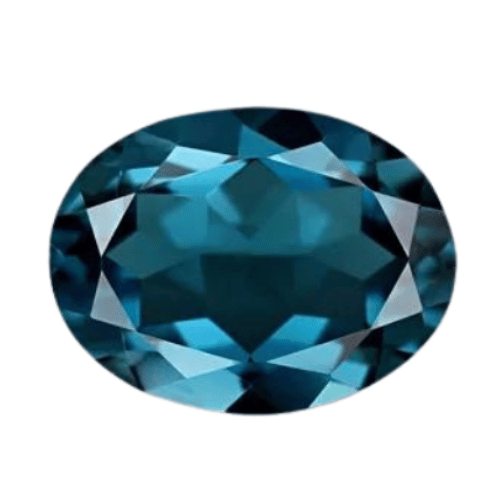 Quartz
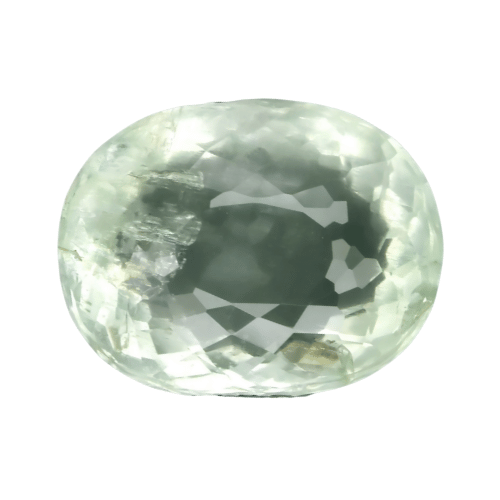 Chrysoberyl
 Apatite
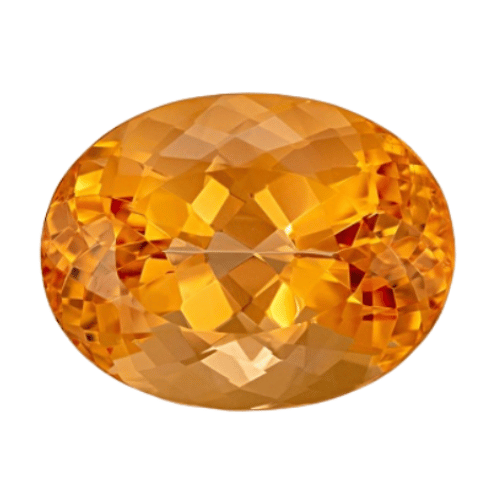 Topaz
Topaz
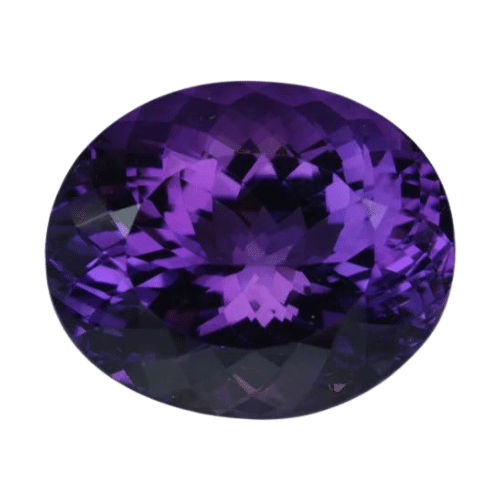 Amethyst
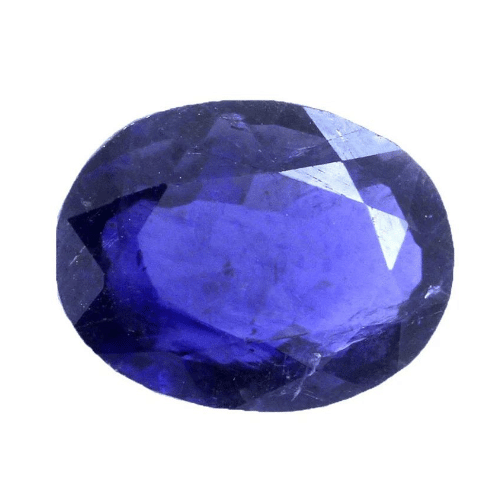 Lolite
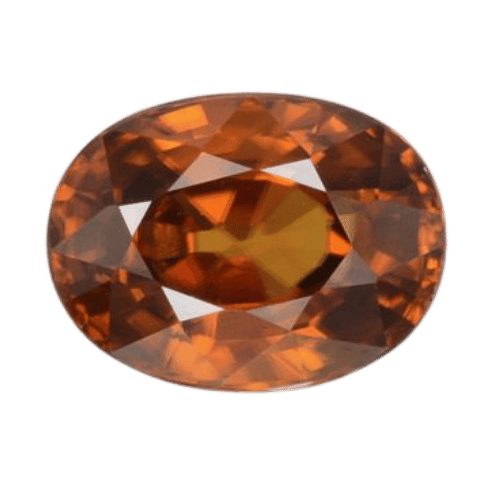 Zircon
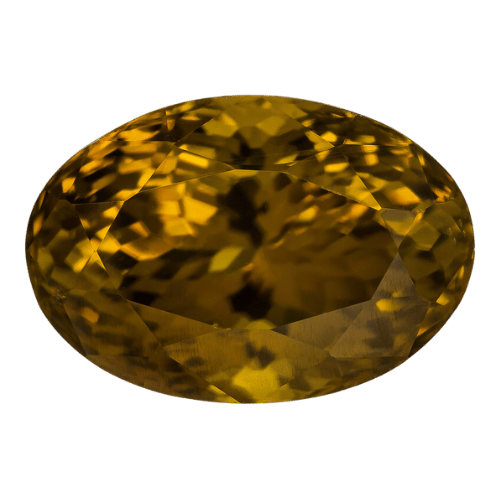 Sinhalite
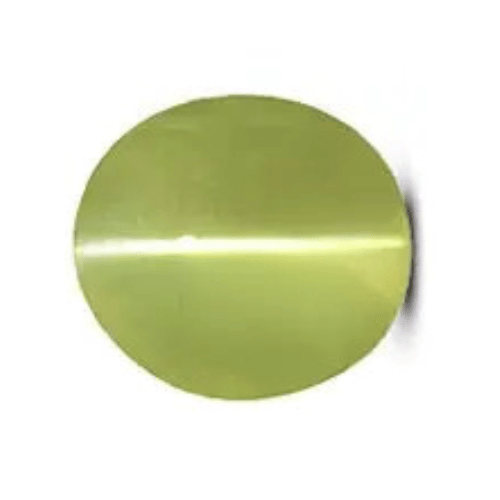 Cats Eye
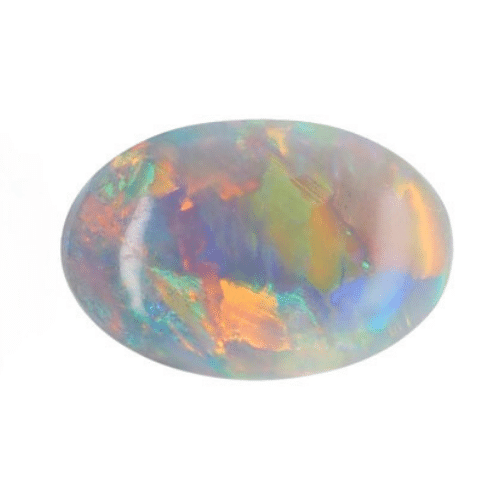 Opal
Opal