Seylan Gems & Jewelry
Chrysoberyl is a hard, durable mineral. Yellow, green, and brown stones are the everyday colors. Two famous varieties sit inside the same species: alexandrite, which changes color, and chrysoberyl cat’s eye, which shows a moving ray.
Specifications
Typical published ranges used in gemology. Specific gravity below matches our carat calculator default where applicable. (SG 3.73)
| Hardness (Mohs) | 8.5 |
|---|---|
| Refractive index | About 1.746–1.755 |
| Optic character | Doubly refractive |
| Specific gravity | About 3.73 |
| Chemistry | Beryllium aluminum oxide |
| Lustre | Vitreous |
A yellow chrysoberyl is not an alexandrite that failed to change color. A cat’s eye is a cabochon with a sharp ray, not a faceted yellow stone. Our catalog keeps those as separate doors because the price and the thing you are judging are different.
Ceylon is an important source for fine cat’s eye. Origin on a listing still has to belong to that item.
On a cat’s eye, look for one ray, centered, that opens and closes as the stone turns. A broad smear is a weaker eye. Body color is usually honey, yellow, or greenish. Milkiness under the ray is part of the effect. It is not the same flaw as a cloudy faceted stone.
Other minerals can show an eye. If the species is quartz or tourmaline, the listing should say so. “Cat’s eye” alone is not a species.
No. The names look alike. Beryl is emerald and aquamarine. Chrysoberyl is a different mineral and is harder.
No. Faceted yellow, green, and brown stones are common. The eye needs fine needles and a cabochon cut.
Ready to look
Browse certified stones estimate carat from millimetres or ask us to help interpret a report.
Join collectors who shop certified Ceylon stones with real 360° views. Code emailed instantly.
No spam. Unsubscribe anytime. One code per customer.
Enter your email. If you leave, we will send this cart back — Ceylon gems often sell as unique pieces.

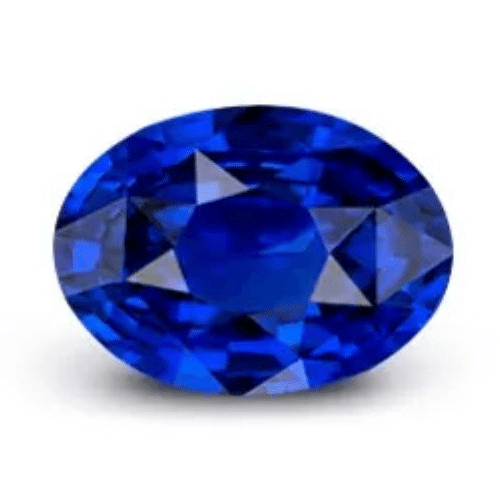 Sapphire
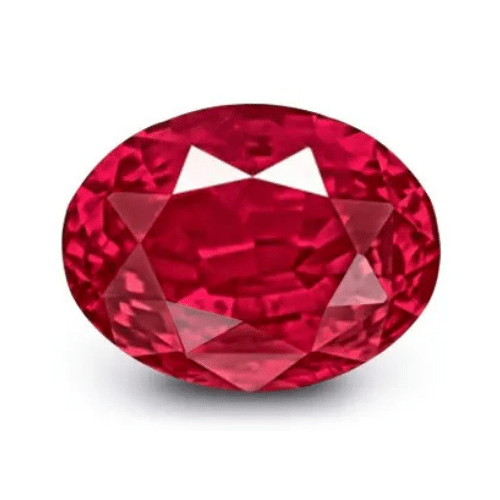 Ruby
Ruby
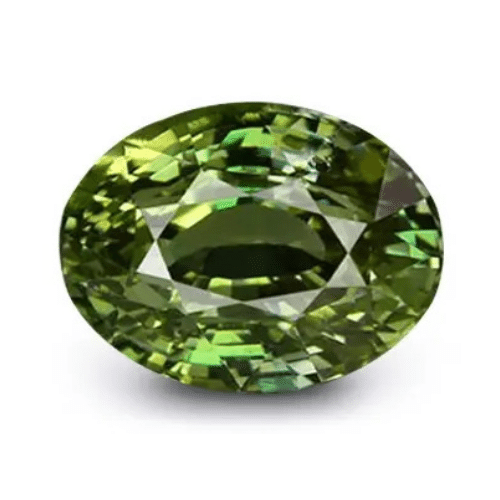 Alexandrite
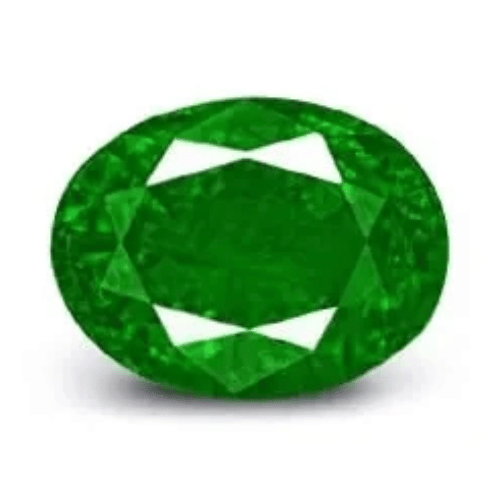 Emerald
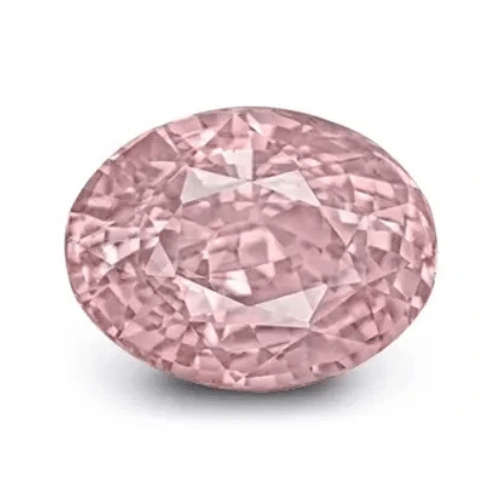 Padparadscha
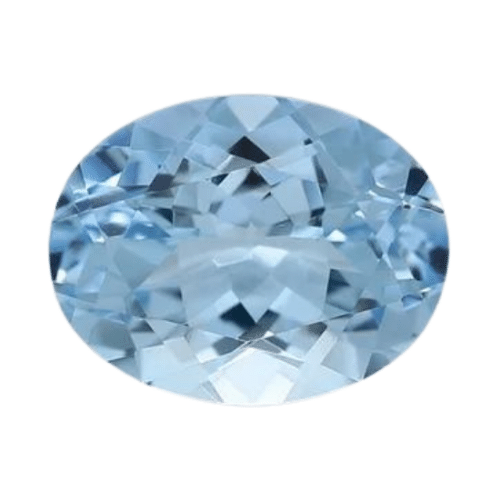 Aquamarine
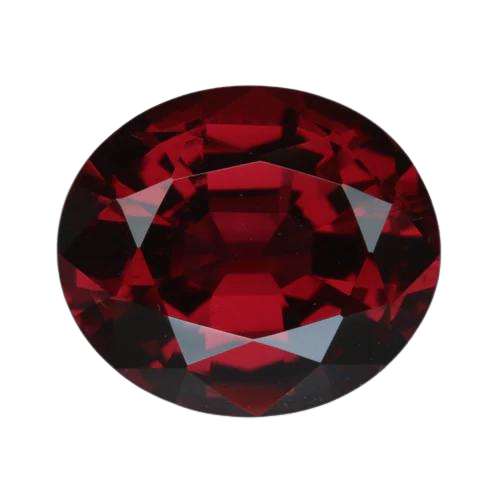 Spinel
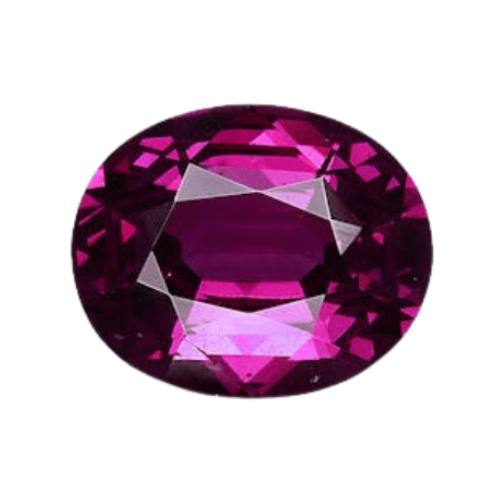 Garnet
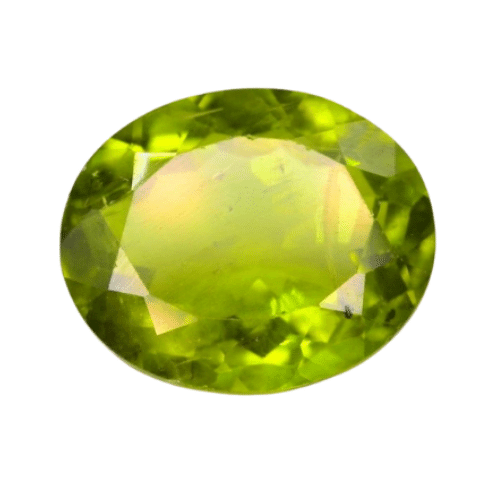 Peridot
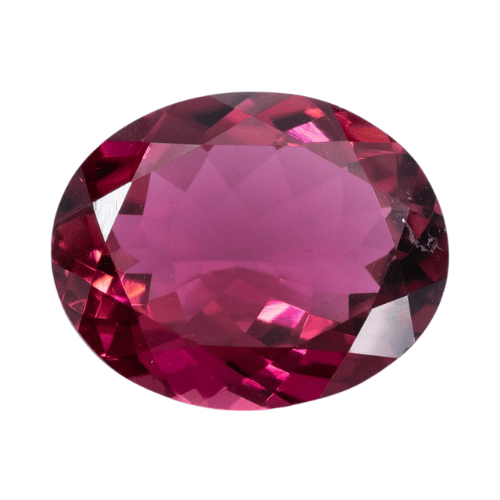 Tourmaline
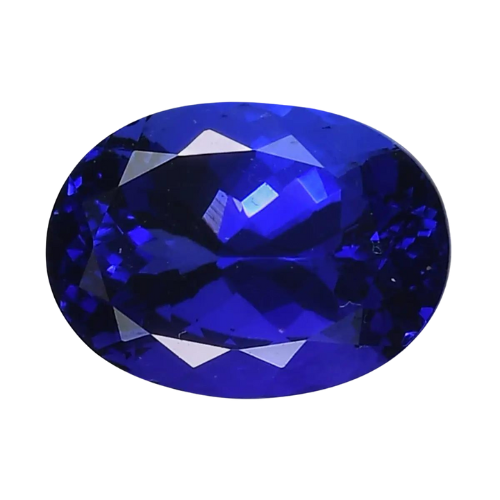 Tanzanite
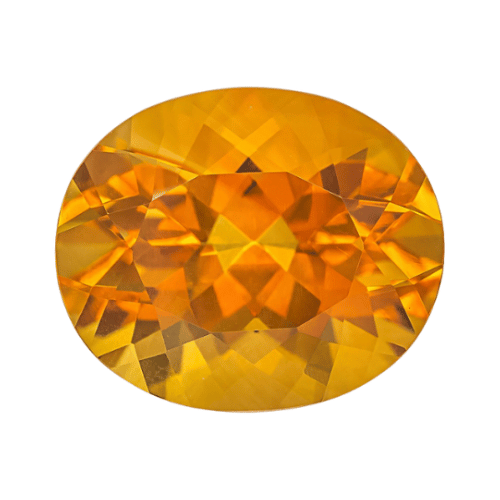 Citrine
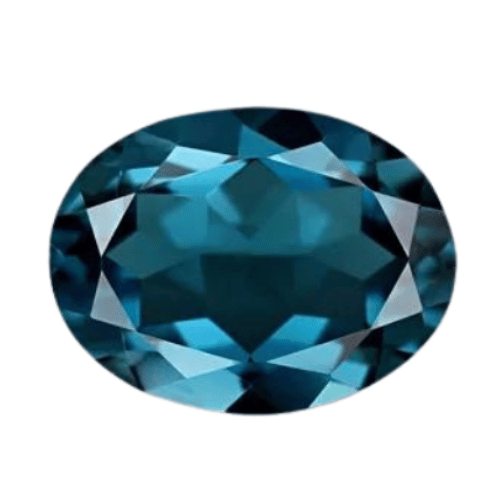 Quartz
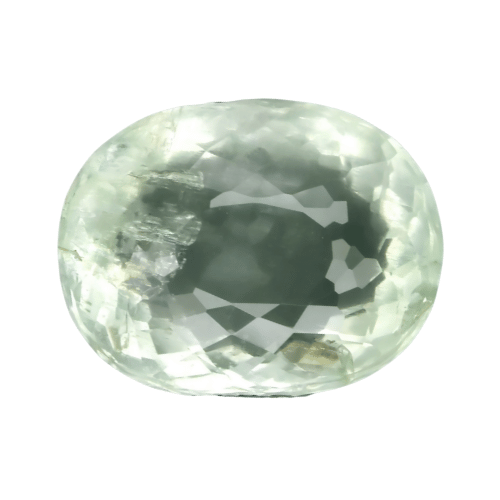 Chrysoberyl
 Apatite
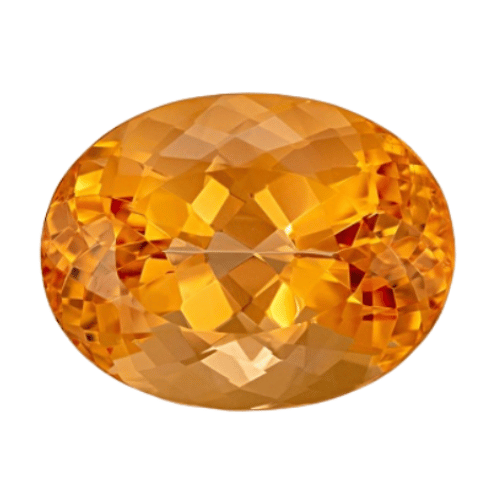 Topaz
Topaz
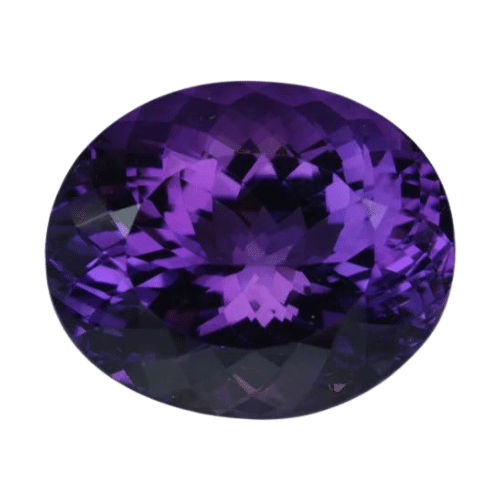 Amethyst
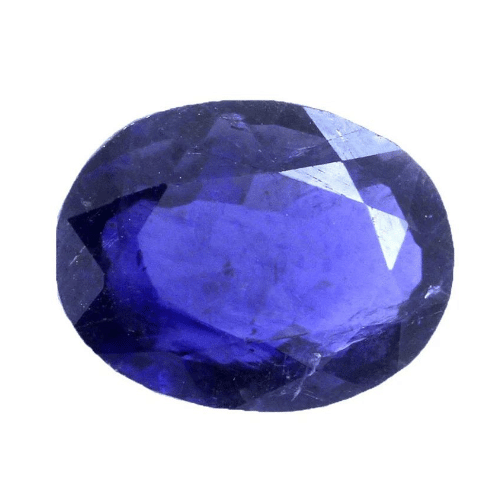 Lolite
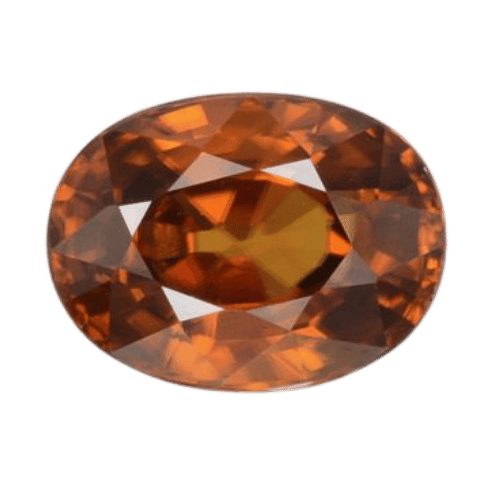 Zircon
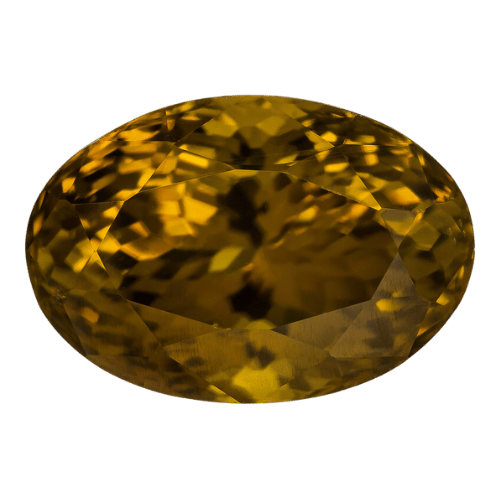 Sinhalite
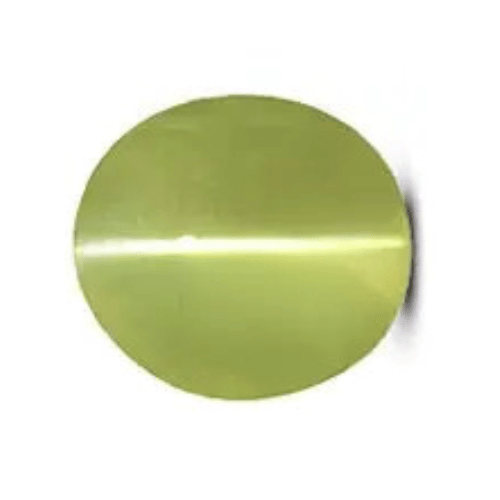 Cats Eye
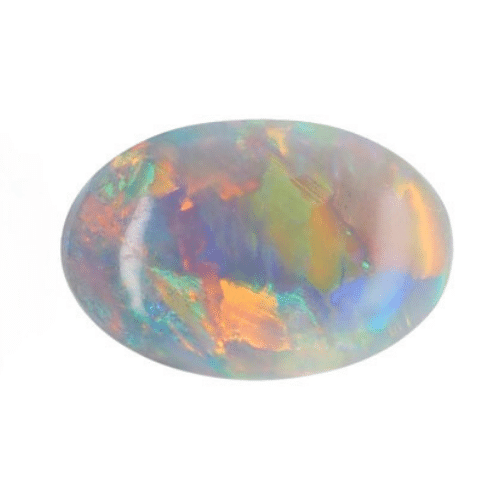 Opal
Opal