Seylan Gems & Jewelry
Apatite is bought for a neon blue, green, or yellow that few other gems show at the same price. The same softness that keeps the price down is the reason it should not be treated like sapphire.
Specifications
Typical published ranges used in gemology. Specific gravity below matches our carat calculator default where applicable. (SG 3.00)
| Hardness (Mohs) | About 5 |
|---|---|
| Refractive index | About 1.63–1.65 |
| Optic character | Doubly refractive |
| Specific gravity | About 3.2 |
| Chemistry | A phosphate mineral; color from trace elements |
| Lustre | Vitreous to resinous |
Blue apatite can look a little like a Paraiba tourmaline in a thumbnail. It is not tourmaline, and it is not sapphire. The species name on the listing is the fact that keeps the price honest.
Look for a color that stays bright face-up, not a stone that only glows when the light is behind it.
Hardness about 5 means quartz dust in daily life can scratch it. A pendant or earrings are kinder than a ring that meets a countertop. Avoid ultrasonic cleaners and steam.
If we set one, ask us about a protective mounting. Beauty is not the same as durability.
No. Paraiba is a copper-bearing tourmaline. Apatite can be a similar color and a very different mineral, hardness, and price.
Our carat tool does not have an apatite preset. The listing weight is the number to trust. A rough estimate needs a specific gravity near 3.2, not the sapphire default.
Ready to look
Browse certified stones estimate carat from millimetres or ask us to help interpret a report.
Join collectors who shop certified Ceylon stones with real 360° views. Code emailed instantly.
No spam. Unsubscribe anytime. One code per customer.
Enter your email. If you leave, we will send this cart back — Ceylon gems often sell as unique pieces.

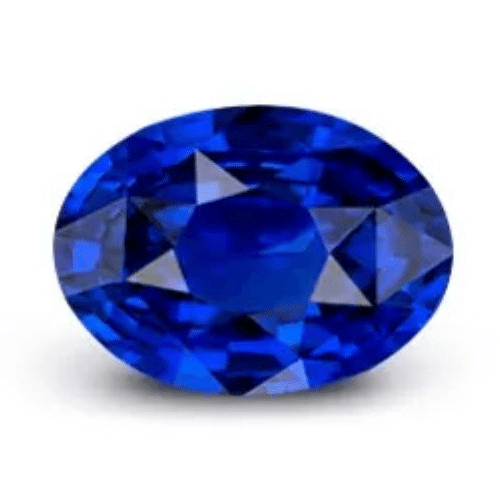 Sapphire
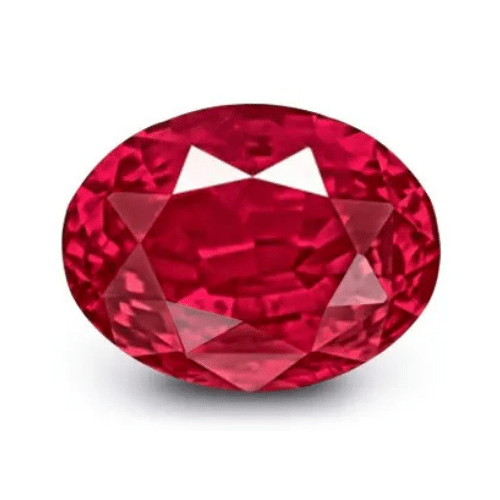 Ruby
Ruby
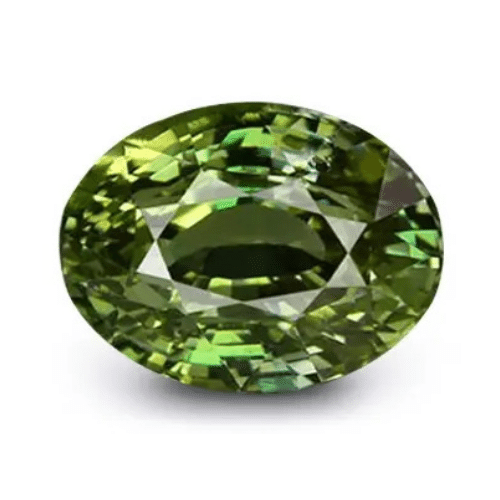 Alexandrite
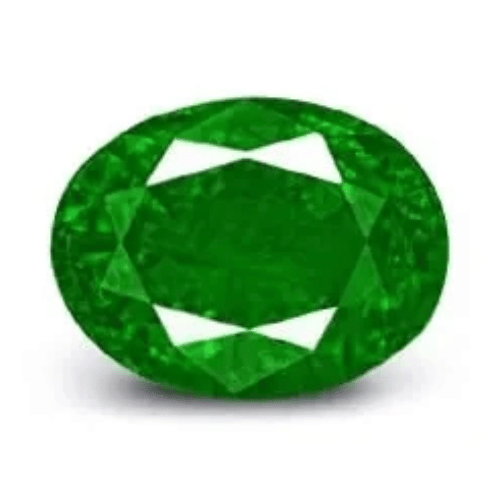 Emerald
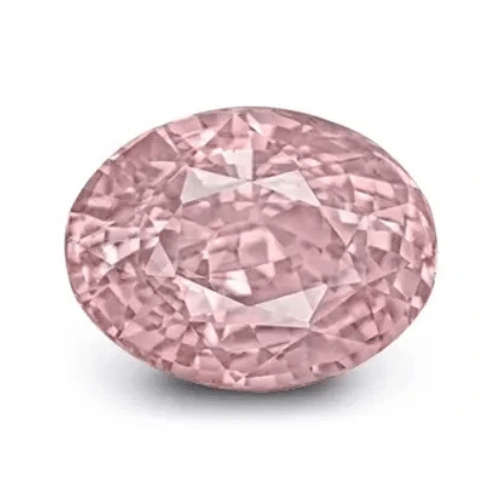 Padparadscha
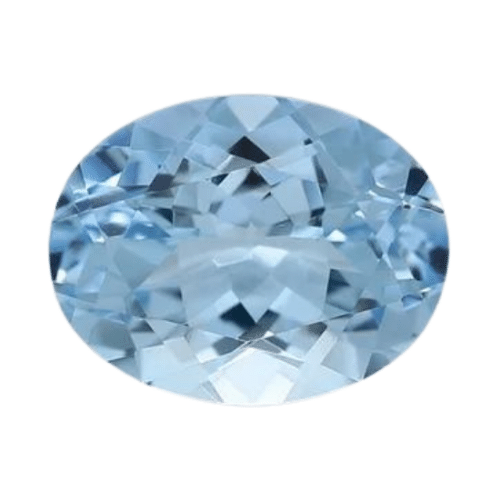 Aquamarine
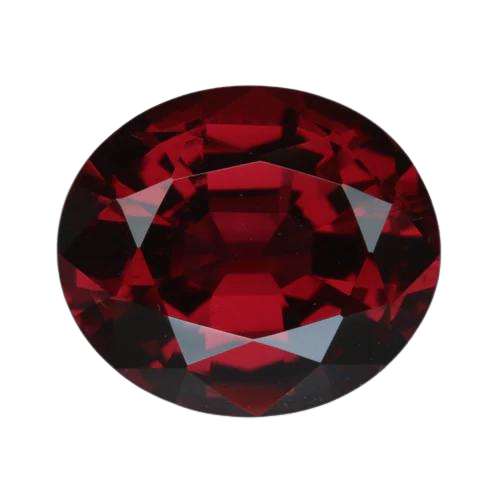 Spinel
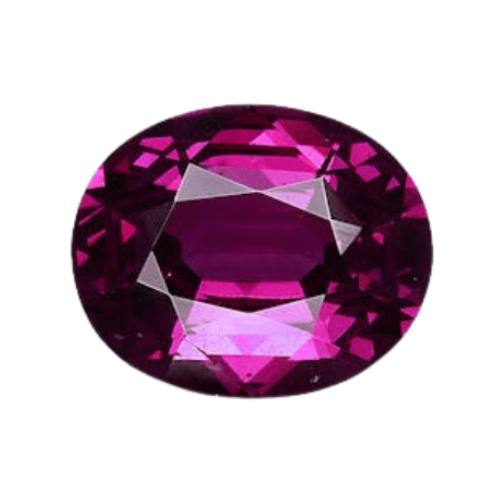 Garnet
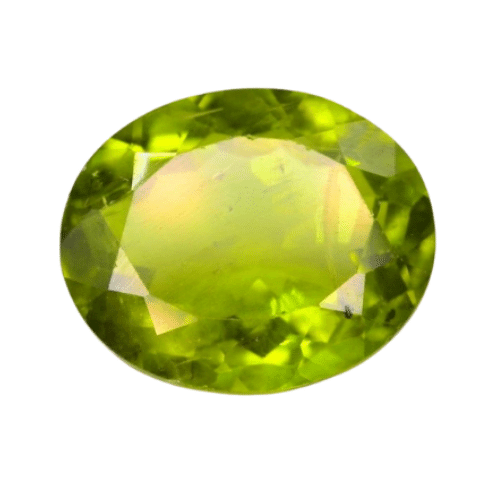 Peridot
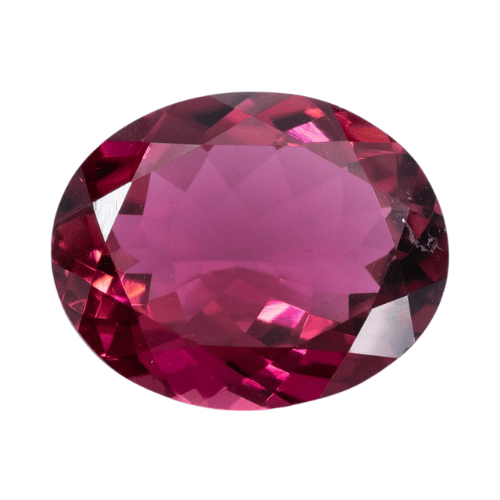 Tourmaline
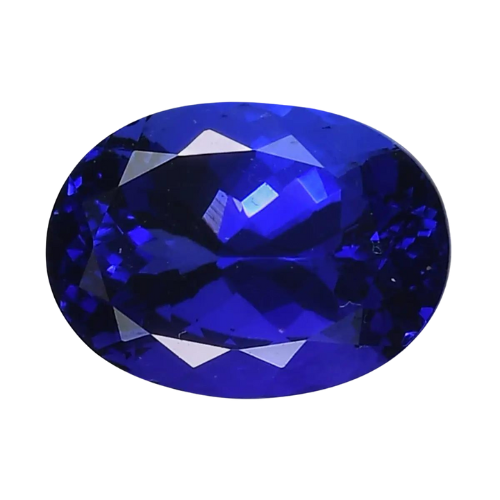 Tanzanite
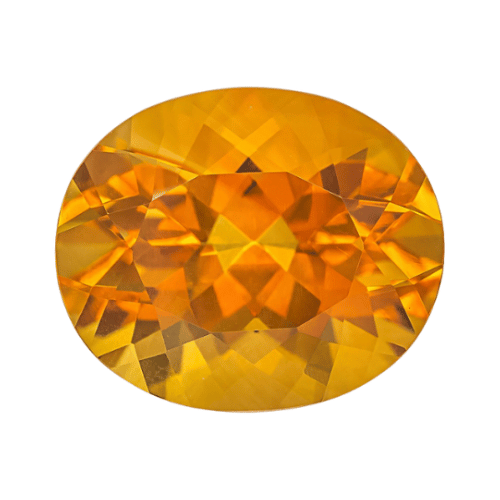 Citrine
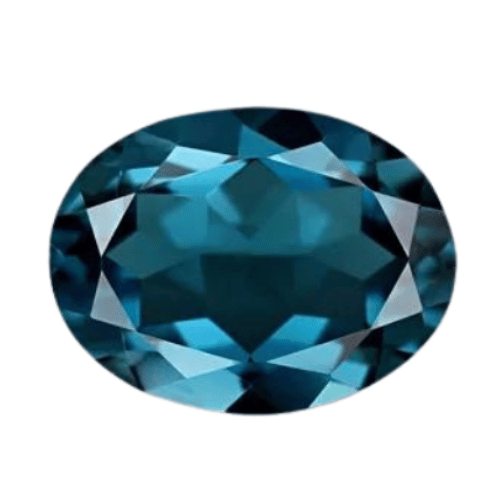 Quartz
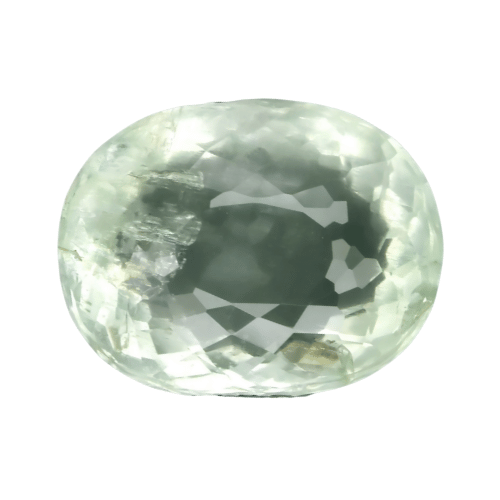 Chrysoberyl
 Apatite
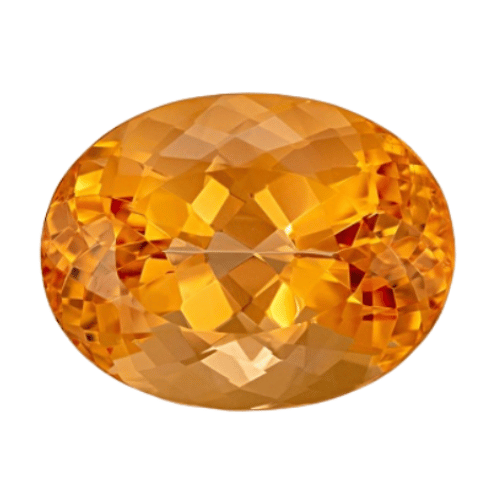 Topaz
Topaz
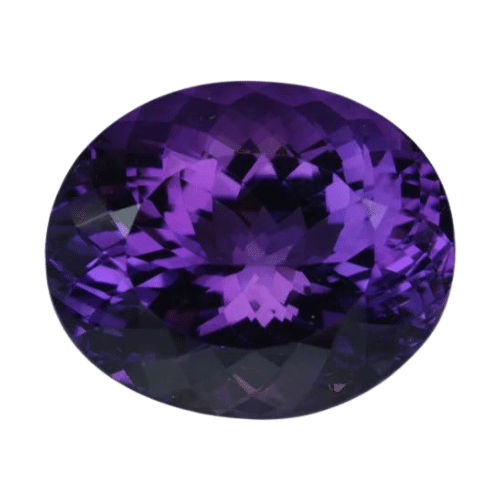 Amethyst
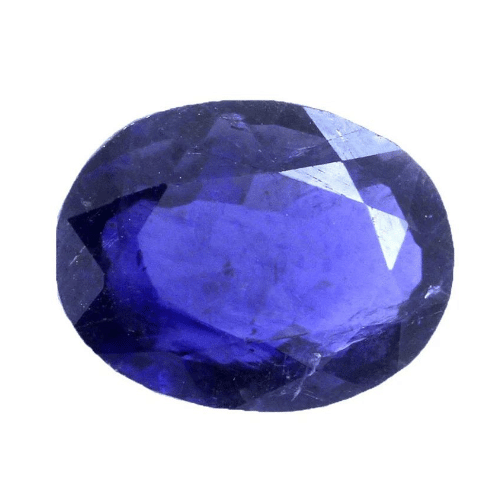 Lolite
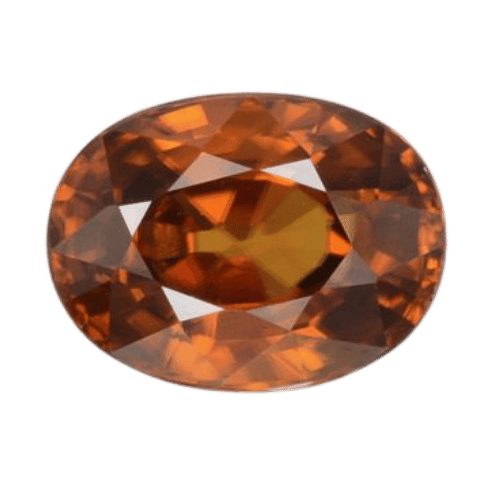 Zircon
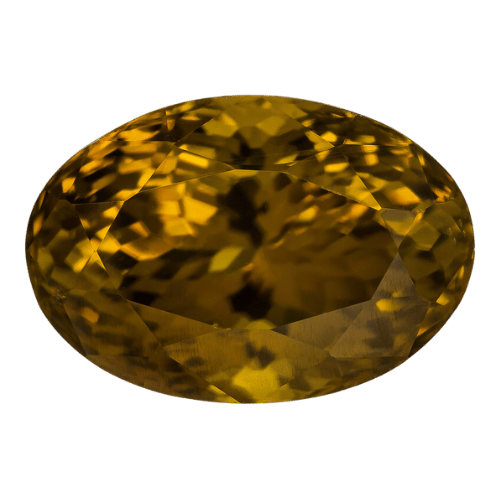 Sinhalite
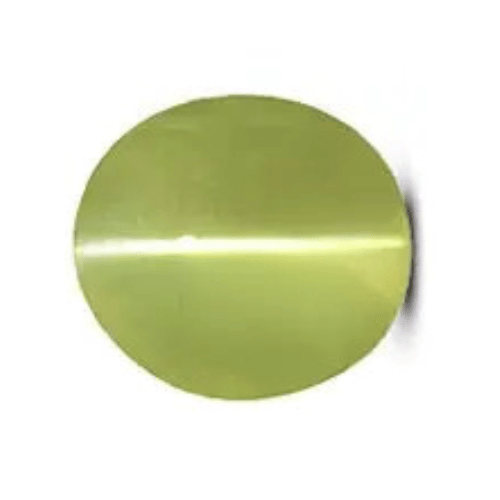 Cats Eye
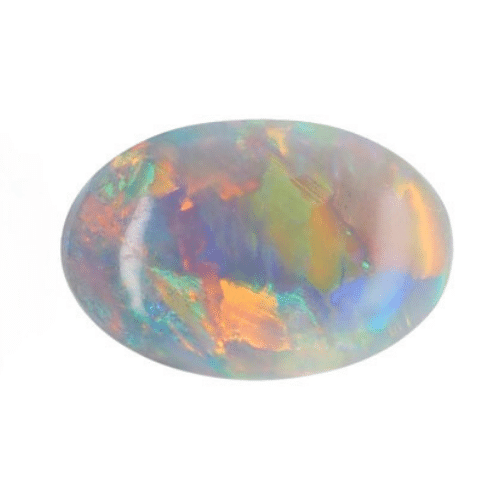 Opal
Opal