Seylan Gems & Jewelry
Price follows what you see face-up, then what the stone can survive, then what the listing discloses. A single word like “fine” or “precious” does not do that work. This is the checklist we would rather you use.
Specifications
Typical published ranges used in gemology. Specific gravity below matches our carat calculator default where applicable. (SG 4.00)
| Color | Hue, tone, and saturation, in more than one light |
|---|---|
| Clarity | Depends on the species; emerald is not judged like aquamarine |
| Cut | Face-up life, not just a large outline |
| Weight | Carat is mass; millimetres are the size you wear |
| Old trade labels | “Precious” and “semi-precious” are habits, not grades |
| Record | The product page, not this guide |
Hue is the kind of color: blue, green, pink-orange. Tone is how light or dark. Saturation is how strong, versus gray or brown. A dark stone can be saturated and still look black on the hand. A light stone can be pretty and still be pale.
Look in daylight and under a lamp. Some sapphires and alexandrites are supposed to shift. Most stones should not look like a different species when the bulb changes.
Emerald is expected to show inclusions. A flawless emerald-looking stone is a reason to ask what it is, not a reason to celebrate. Aquamarine, topaz, and many spinels are expected to be cleaner. An eye-visible crack in those is a bigger problem than a crystal in an emerald.
Inclusions can also identify a natural stone. They are not a moral failing. They are information. Our windowing note explains the related case where a stone looks open in the center because of the cut, not because of a crack.
A heavy pavilion adds carat and can hide color in the bottom of the stone. A wide window lets you see through the middle and drains the color. Millimetres tell you the footprint. Carat tells you the mass. Use both.
“Precious” once meant diamond, ruby, sapphire, and emerald in some shop talk, and everything else was “semi-precious.” That split does not track hardness, rarity, or beauty. Alexandrite, fine spinel, and a vivid tsavorite are not lesser because an old shelf label left them out. We do not price stones with those two words.
Not as a universal scale on these guides. A clarity grade without the species is misleading. Read inclusions on the item, and ask us if a report uses a scale you do not know.
No. Density and proportions decide the face. A carat of sapphire is smaller in outline than a carat of quartz cut the same way.
Ready to look
Browse certified stones estimate carat from millimetres or ask us to help interpret a report.
Join collectors who shop certified Ceylon stones with real 360° views. Code emailed instantly.
No spam. Unsubscribe anytime. One code per customer.
Enter your email. If you leave, we will send this cart back — Ceylon gems often sell as unique pieces.

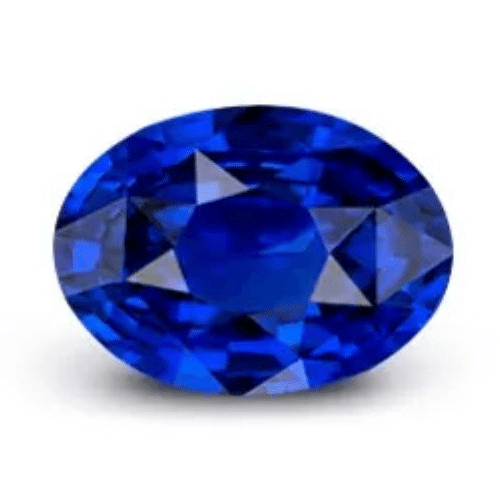 Sapphire
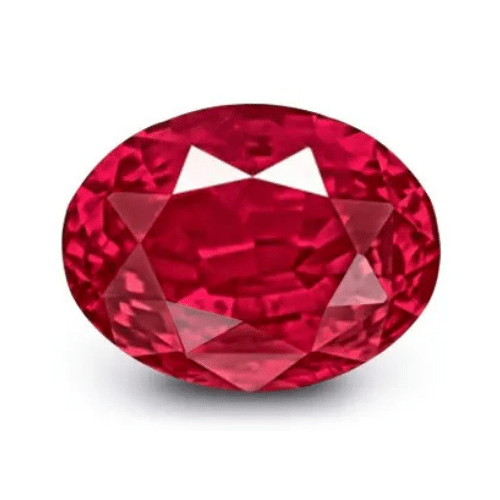 Ruby
Ruby
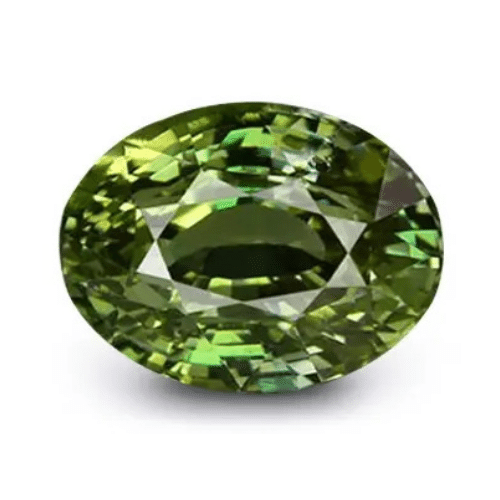 Alexandrite
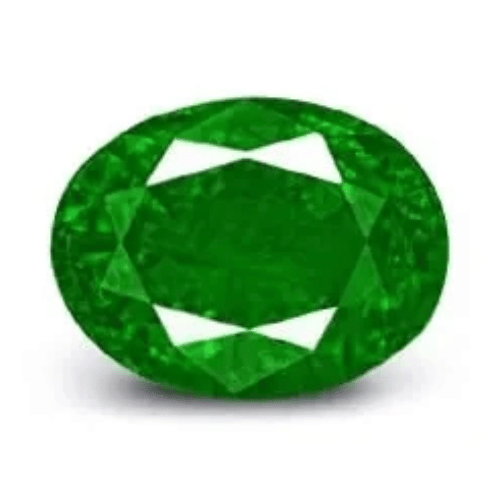 Emerald
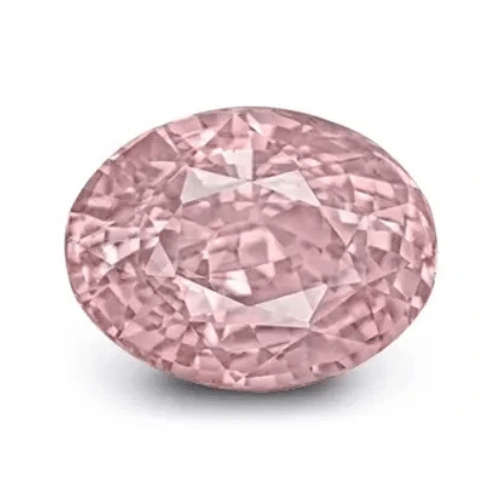 Padparadscha
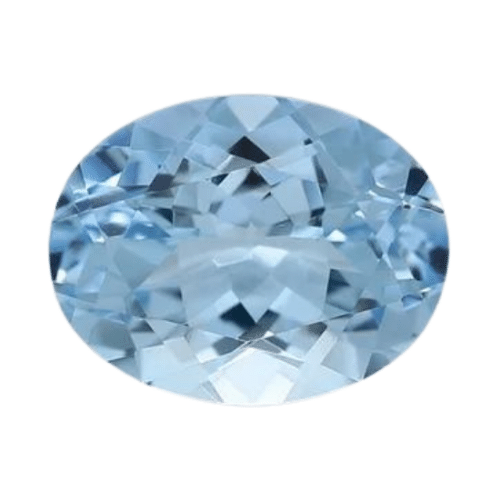 Aquamarine
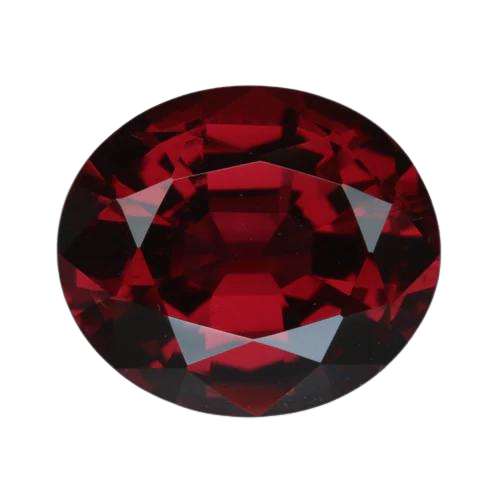 Spinel
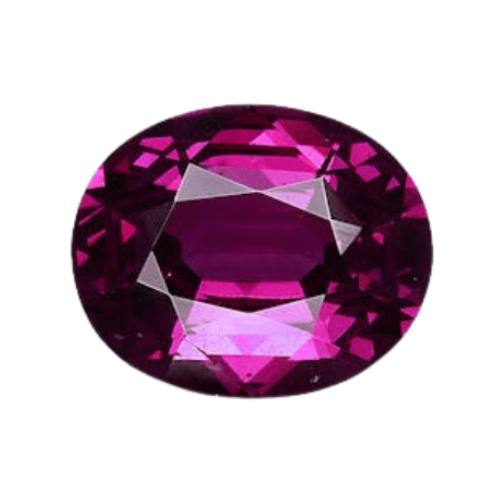 Garnet
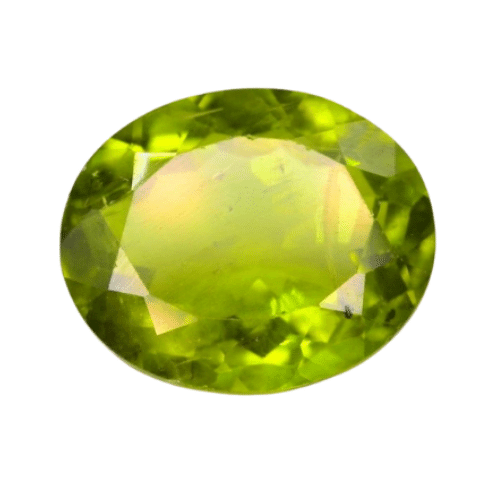 Peridot
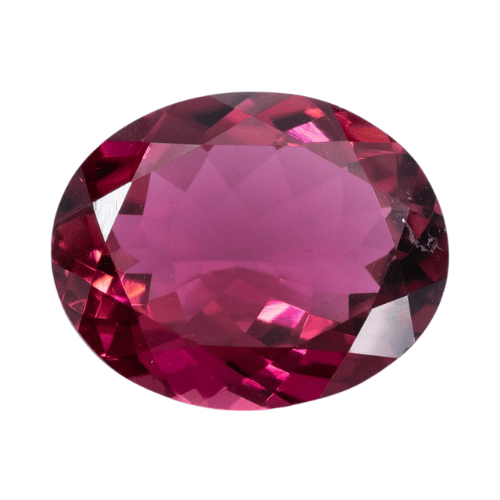 Tourmaline
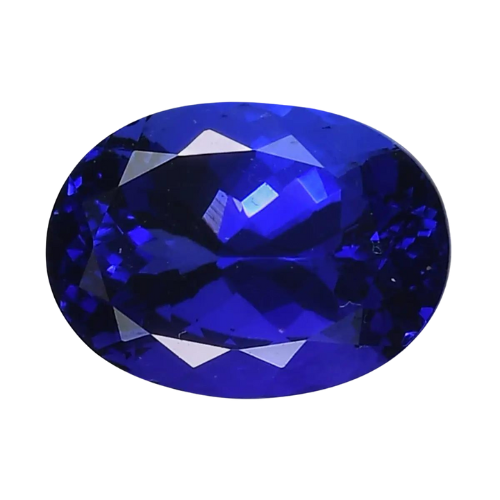 Tanzanite
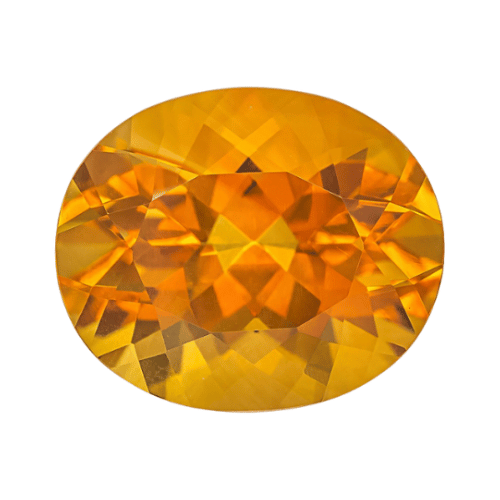 Citrine
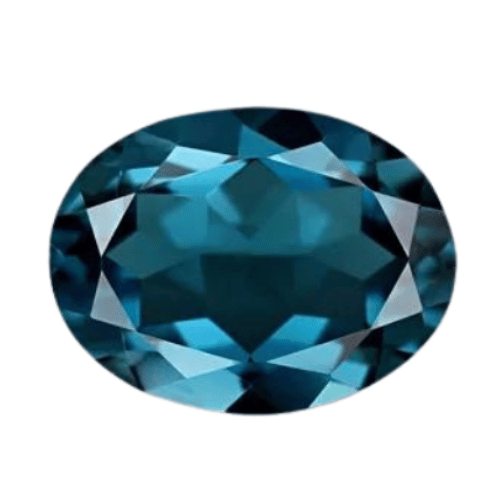 Quartz
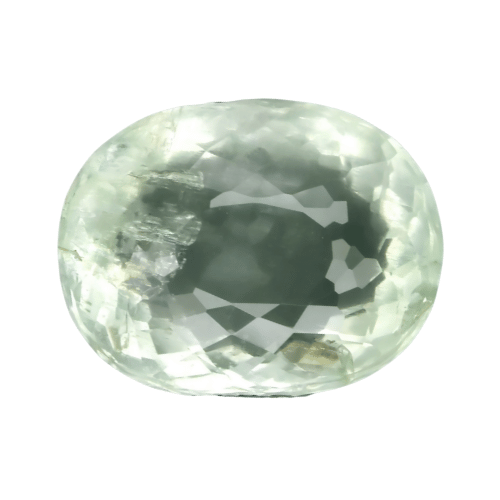 Chrysoberyl
 Apatite
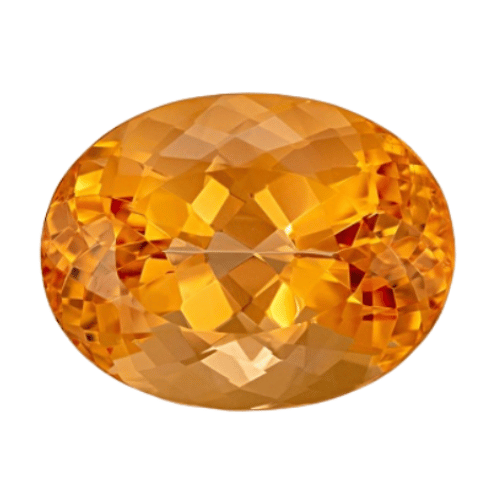 Topaz
Topaz
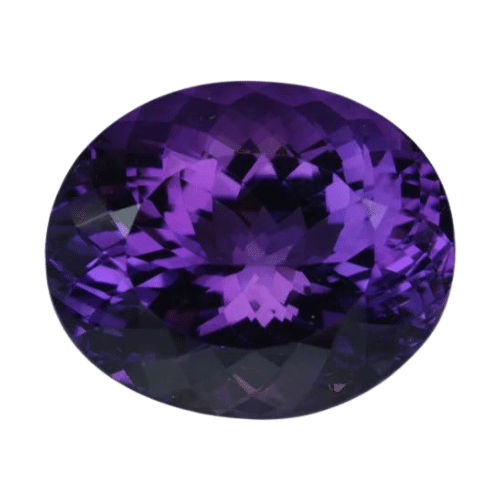 Amethyst
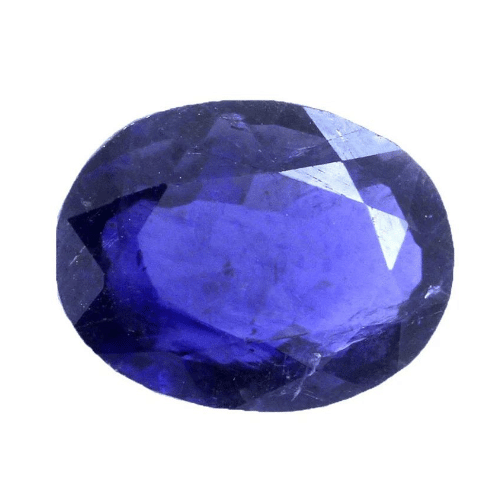 Lolite
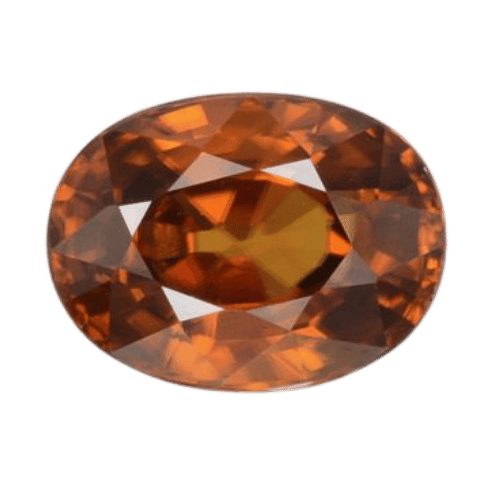 Zircon
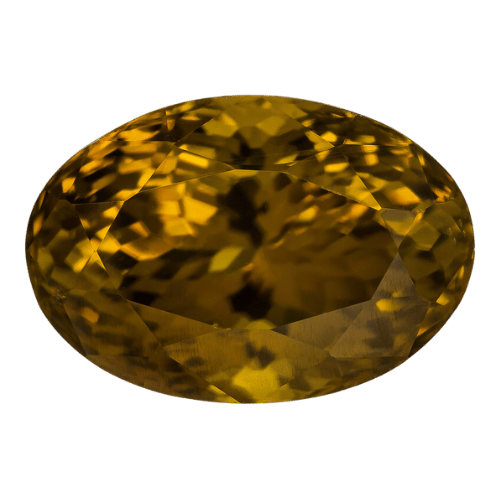 Sinhalite
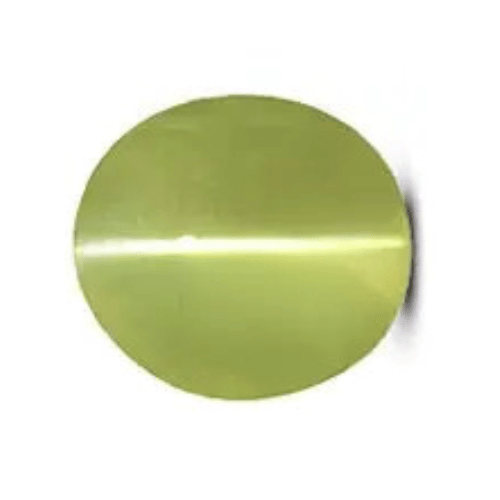 Cats Eye
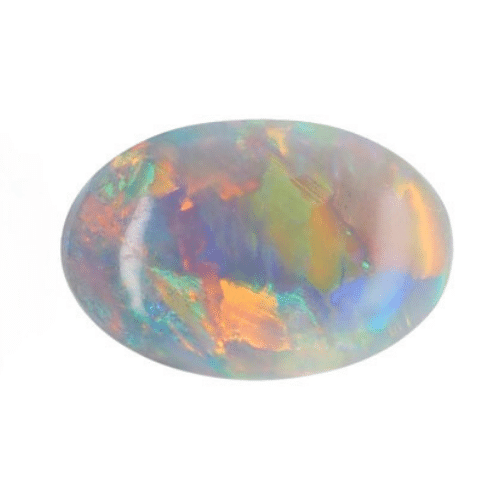 Opal
Opal