Seylan Gems & Jewelry
Ruby is the red variety of corundum. Chromium creates the color; fine stones combine strong red hue with lively fluorescence and good transparency for the species.
Specifications
Typical published ranges used in gemology. Specific gravity below matches our carat calculator default where applicable. (SG 4.00)
| Hardness (Mohs) | 9 |
|---|---|
| Refractive index | 1.762–1.770 |
| Specific gravity (SG) | ~4.00 (typical range 3.97–4.05) |
| Chemistry | Al₂O₃ — corundum, colored primarily by chromium |
| Lustre | Vitreous to subadamantine |
| Common origins | Myanmar (Burma), Mozambique, Thailand, Madagascar, Ceylon (often lighter/pinker) |
Trade phrases like “pigeon’s blood” are marketing shorthand, not a lab grade by themselves. Focus on hue (pure red vs orange or purple), tone (not too dark), and saturation. Slight pink or purple secondary hues are common; preference is personal.
Heat treatment is standard for ruby. Lead-glass filling and other clarity enhancements are more aggressive — they require clear disclosure and different care. Prefer stones with laboratory reports that name the treatment. Fracture-filled material can look large for the price but needs cautious wear.
Same durability story as sapphire: excellent for rings. Compare face-up size, not only carat. Use /appraisal?type=ruby with millimetre dimensions for a quick weight estimate (SG ~4.00). Review Size & Fit on listings, and ask us about matching pairs or custom settings.
Origin and treatment drive price as much as beauty. We encourage buyers to read the full report — not only the cover grade. Book a consult if you want help comparing stones or interpreting lab language before you purchase.
Ready to look
Browse certified stones estimate carat from millimetres or ask us to help interpret a report.
Join collectors who shop certified Ceylon stones with real 360° views. Code emailed instantly.
No spam. Unsubscribe anytime. One code per customer.
Enter your email. If you leave, we will send this cart back — Ceylon gems often sell as unique pieces.

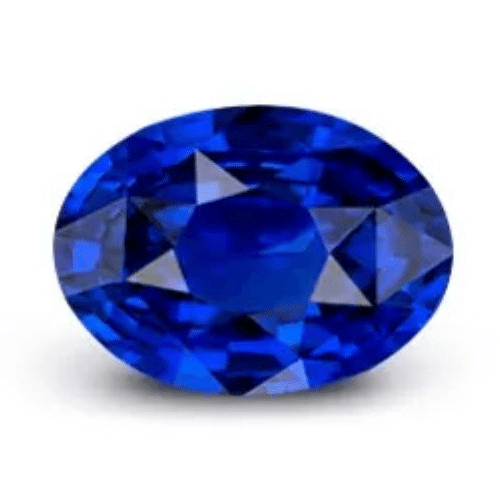 Sapphire
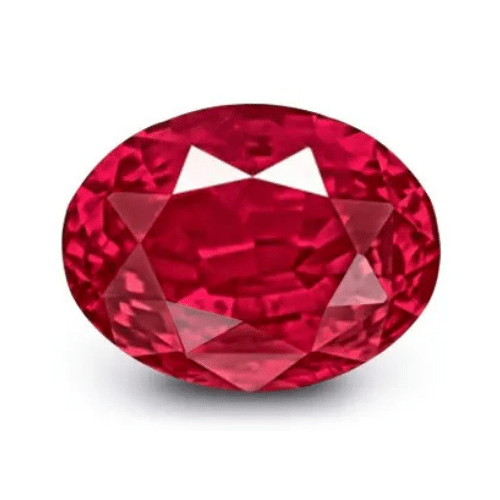 Ruby
Ruby
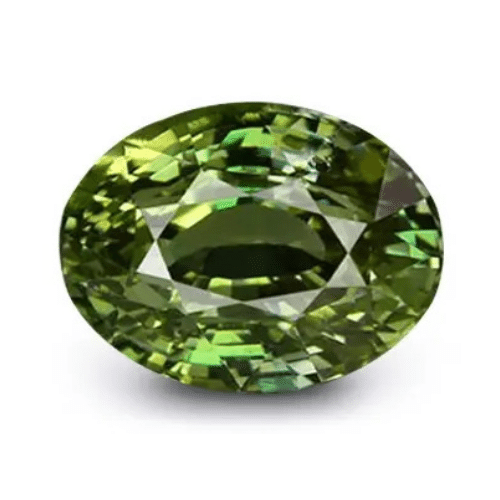 Alexandrite
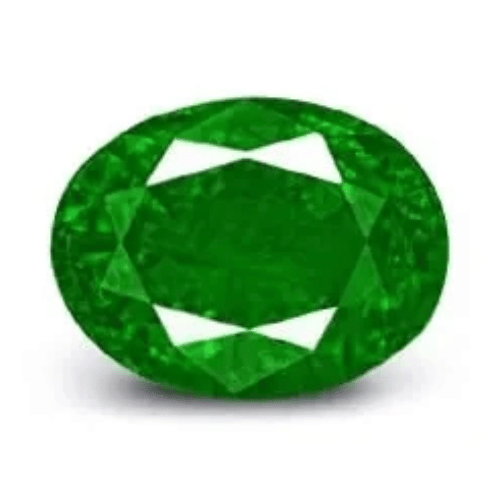 Emerald
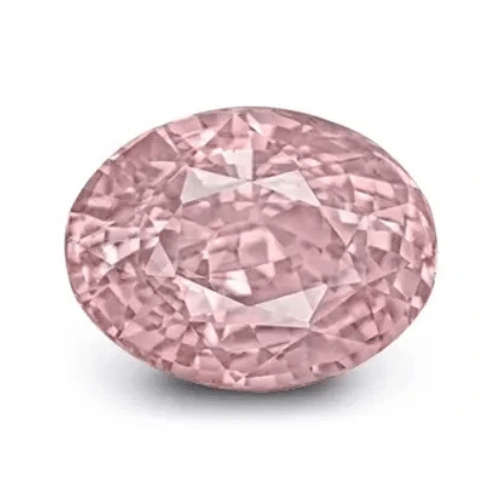 Padparadscha
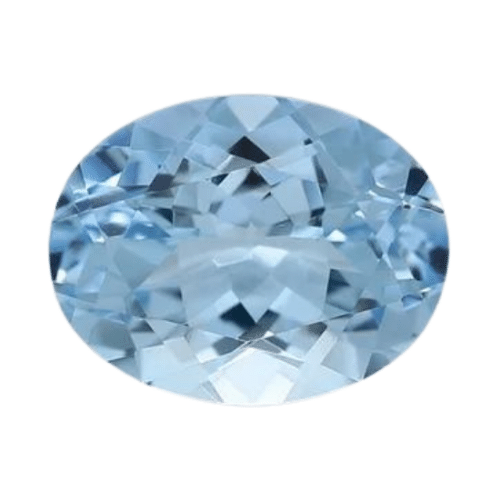 Aquamarine
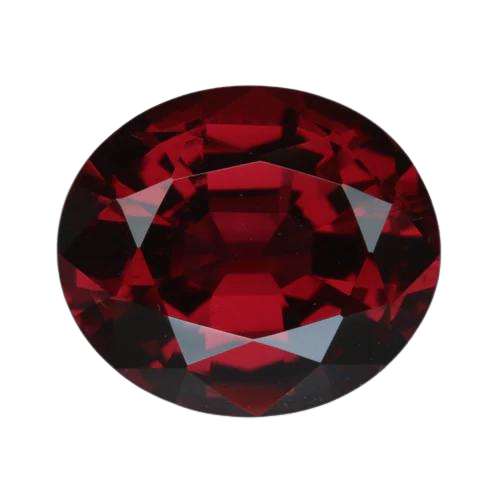 Spinel
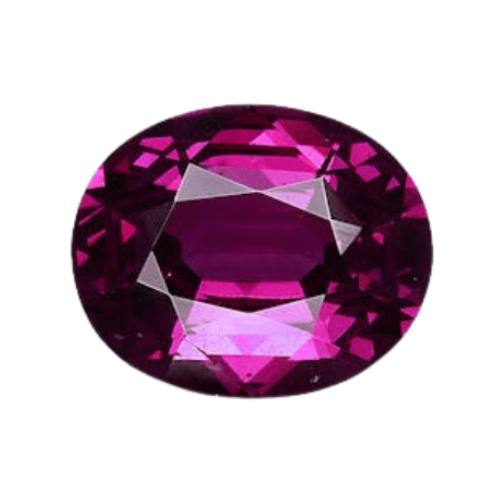 Garnet
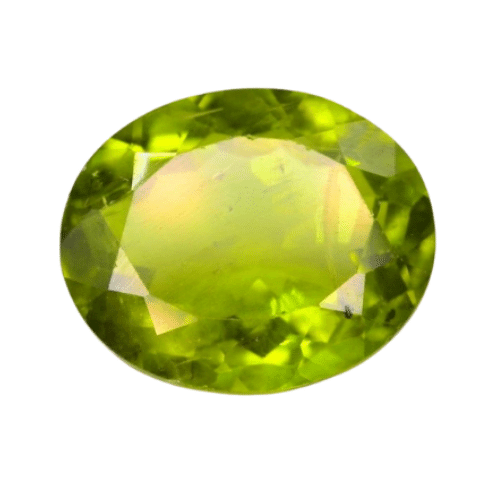 Peridot
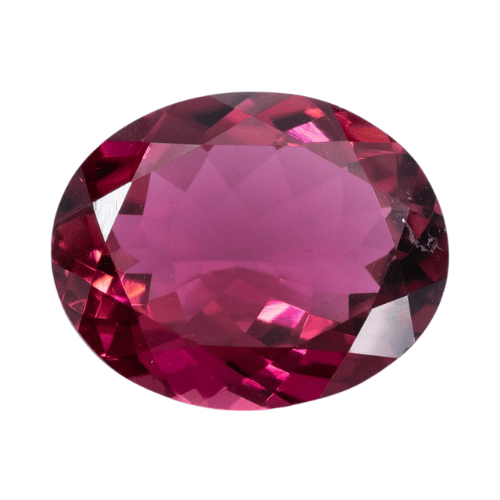 Tourmaline
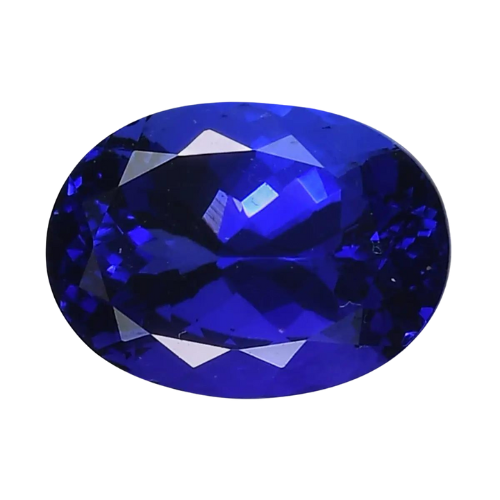 Tanzanite
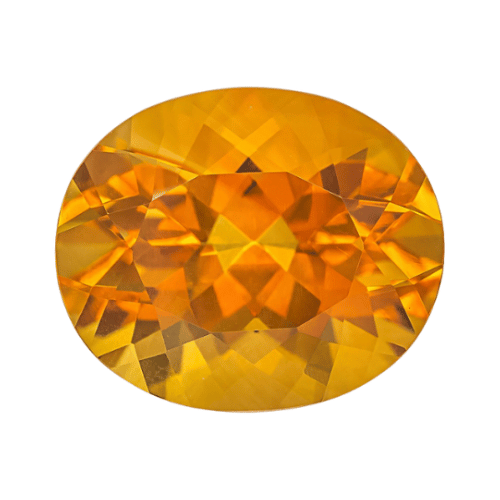 Citrine
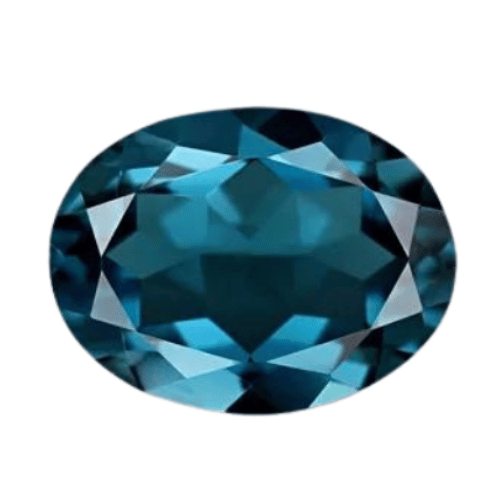 Quartz
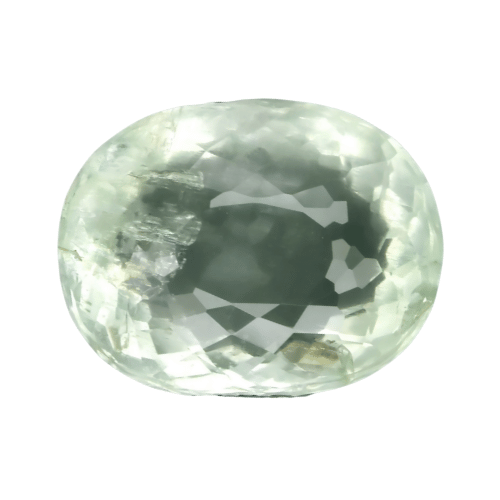 Chrysoberyl
 Apatite
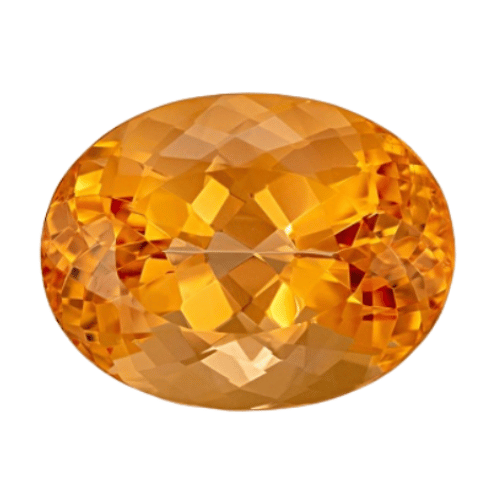 Topaz
Topaz
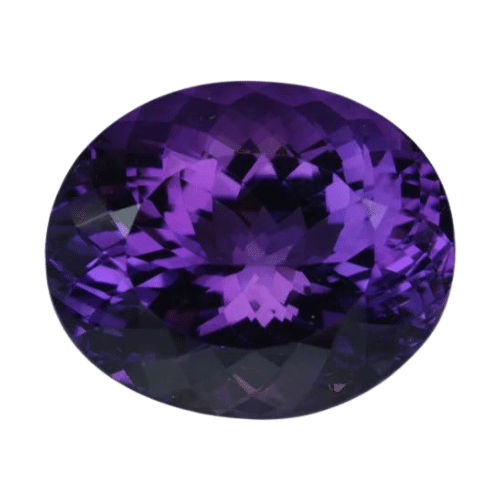 Amethyst
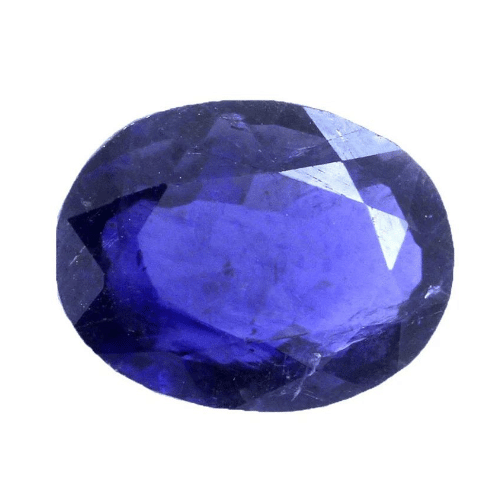 Lolite
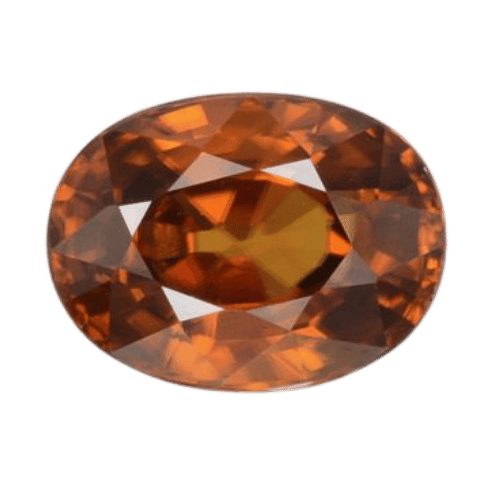 Zircon
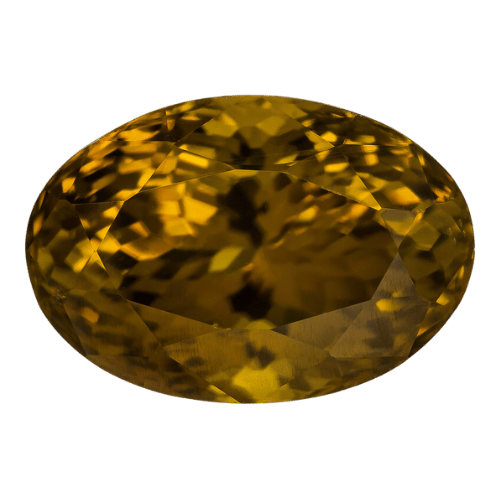 Sinhalite
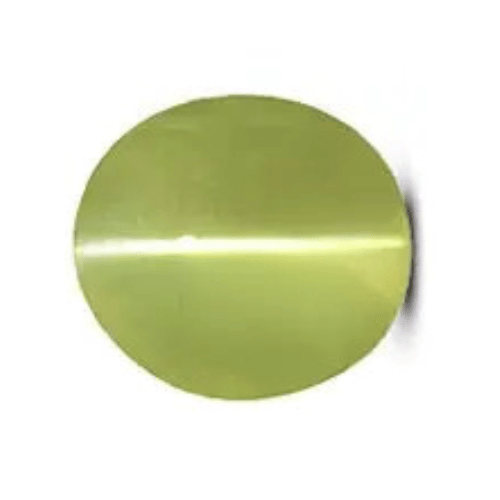 Cats Eye
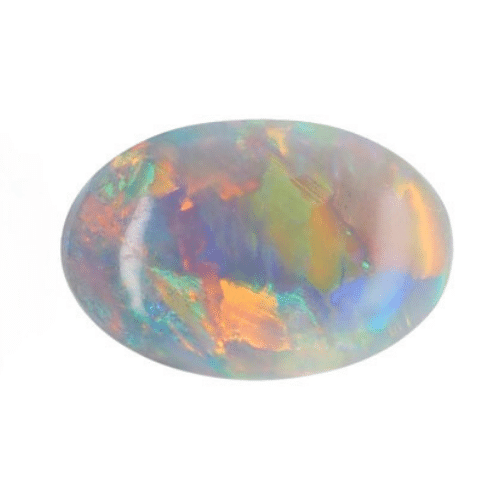 Opal
Opal