Seylan Gems & Jewelry
Peridot is the gem form of olivine. The yellow-green color comes from iron in the mineral itself, so it is not a treated colorless stone with a coating. You can often see facet edges doubled when you look through the table with a lens.
Specifications
Typical published ranges used in gemology. Specific gravity below matches our carat calculator default where applicable. (SG 3.34)
| Hardness (Mohs) | 6.5–7 |
|---|---|
| Refractive index | About 1.654–1.690 |
| Optic character | Doubly refractive, birefringence about 0.036 |
| Specific gravity | About 3.34 |
| Chemistry | Olivine, an iron magnesium silicate |
| Lustre | Vitreous, sometimes oily |
A bright yellow-green, not so dark that it looks olive-black and not so yellow that it looks like glass. Doubling of the pavilion facets is a feature of the mineral. It is not a crack.
Peridot can be confused with sinhalite or with green zircon at a glance. Refractive index and density separate them. If a listing says peridot, that is the claim to hold us to.
Hardness 6.5–7 and easy cleavage mean a ring should have a protected setting. Acid and some household cleaners can etch the surface. Skip the ultrasonic if the stone is included. A pendant is simpler if you do not want to think about the stone every day.
The green is idiochromatic: iron in the formula causes it. The usual issue is wear, not a dye. Still read the listing for any coating or assembled stone, which would be a different product.
Peridot’s birefringence is high. A lens through the table often shows two edges. That is normal.
Ready to look
Browse certified stones estimate carat from millimetres or ask us to help interpret a report.
Join collectors who shop certified Ceylon stones with real 360° views. Code emailed instantly.
No spam. Unsubscribe anytime. One code per customer.
Enter your email. If you leave, we will send this cart back — Ceylon gems often sell as unique pieces.

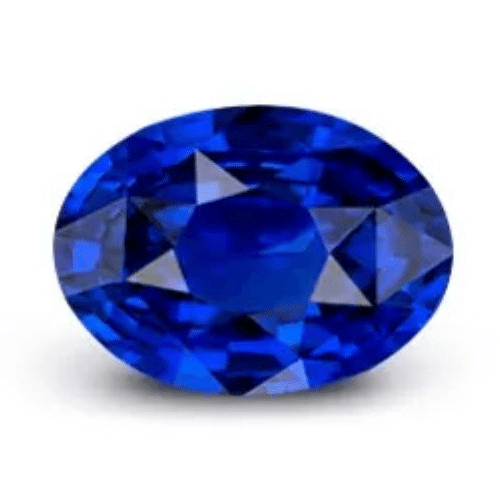 Sapphire
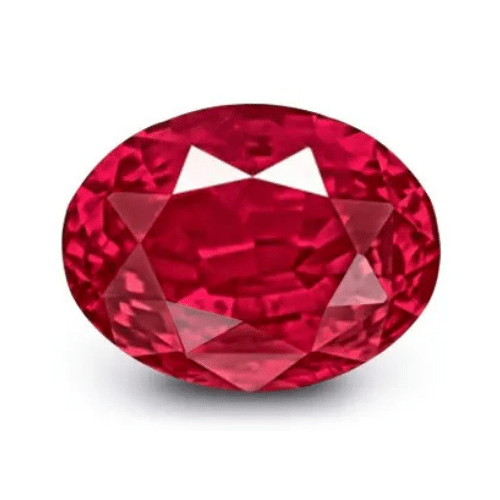 Ruby
Ruby
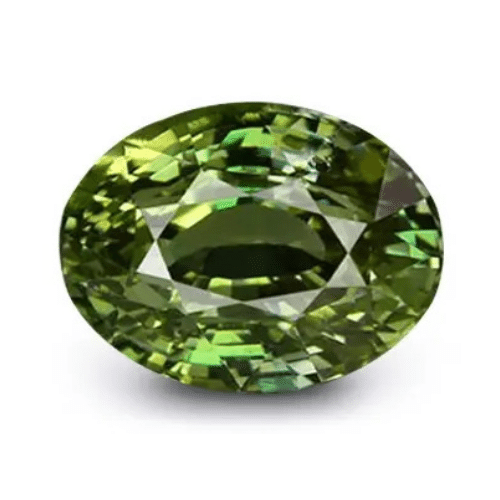 Alexandrite
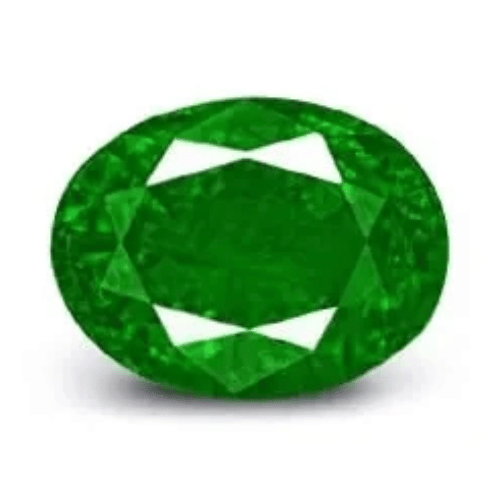 Emerald
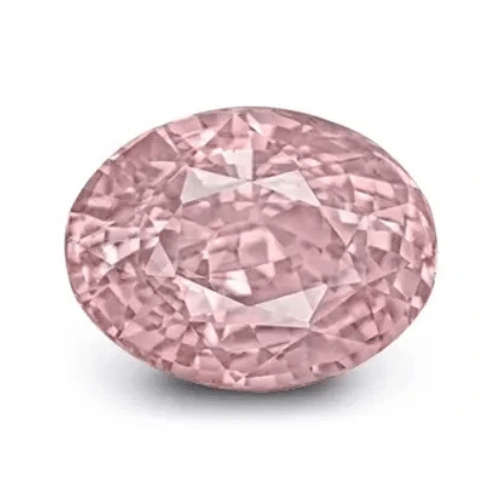 Padparadscha
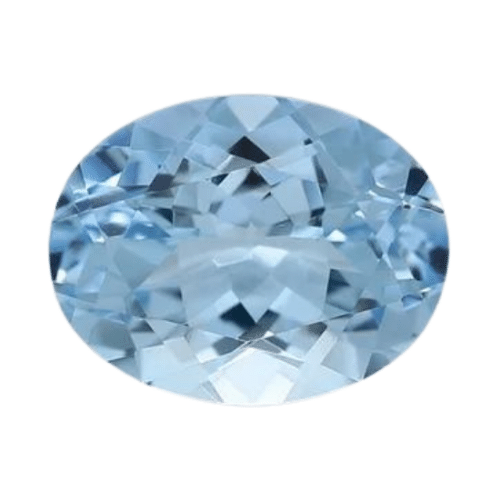 Aquamarine
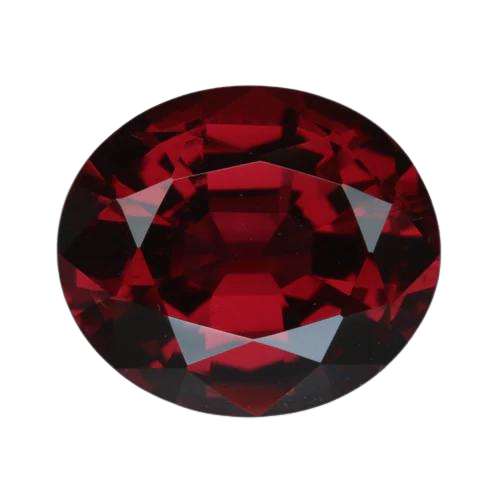 Spinel
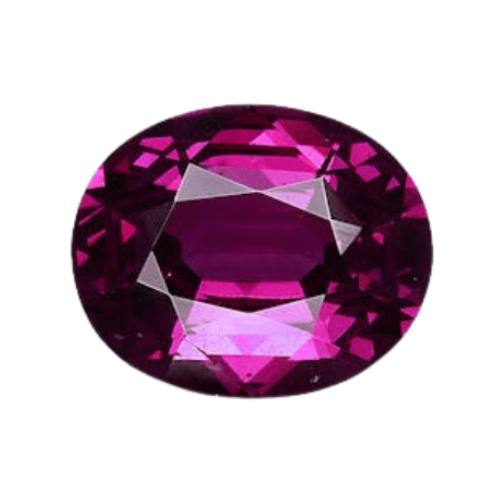 Garnet
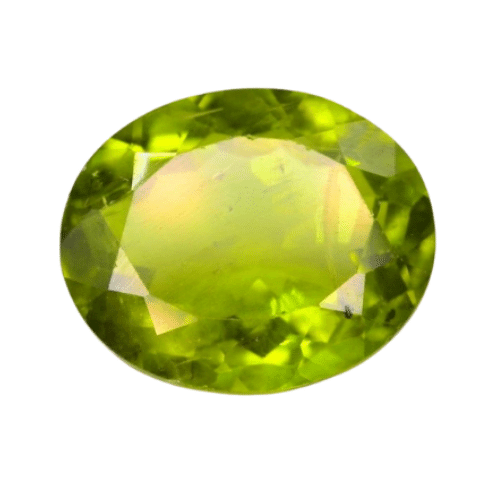 Peridot
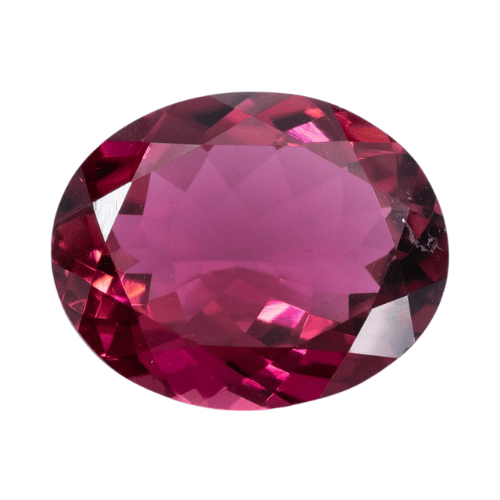 Tourmaline
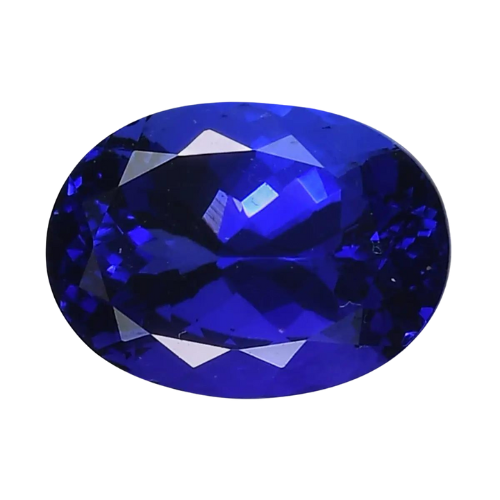 Tanzanite
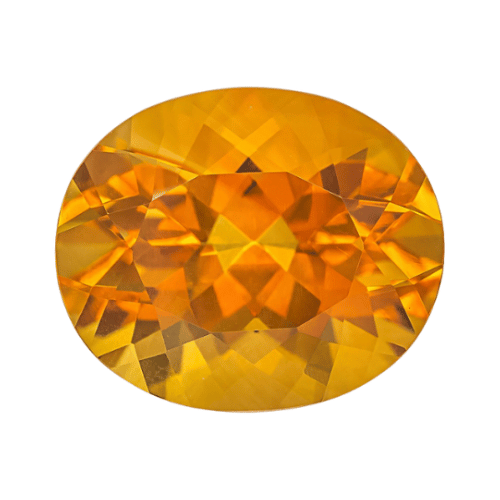 Citrine
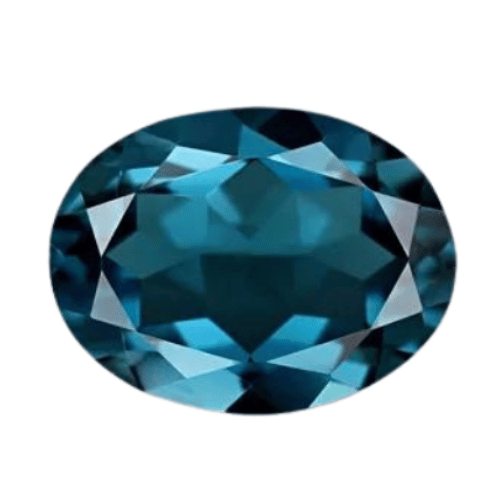 Quartz
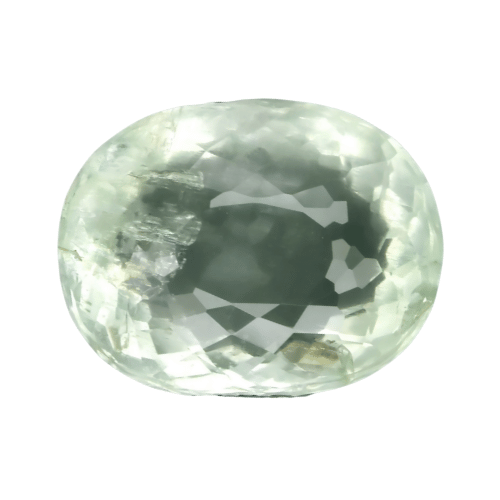 Chrysoberyl
 Apatite
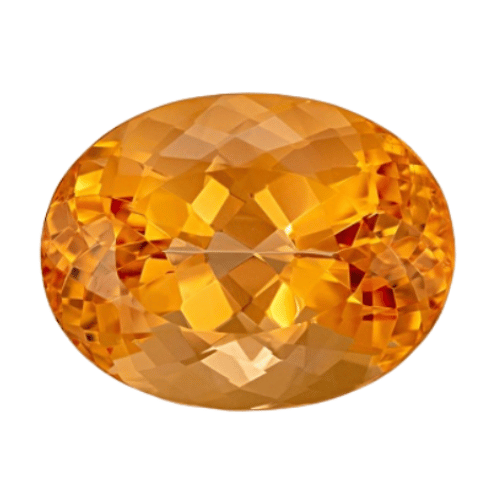 Topaz
Topaz
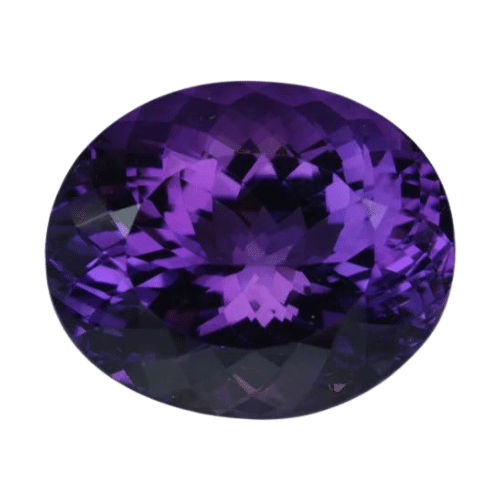 Amethyst
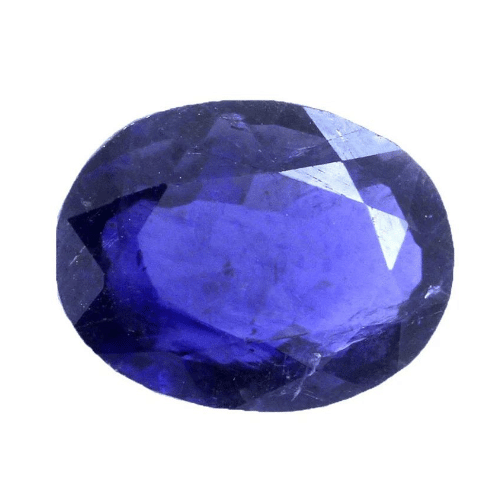 Lolite
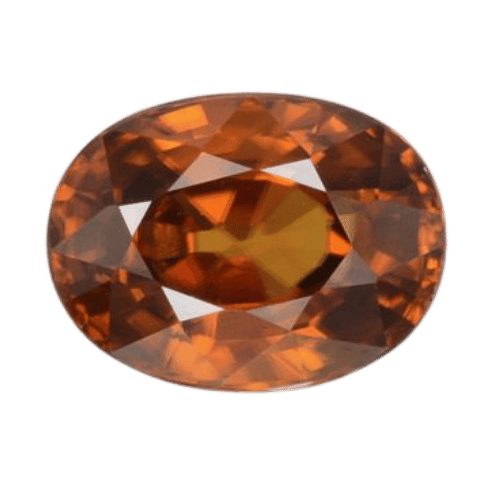 Zircon
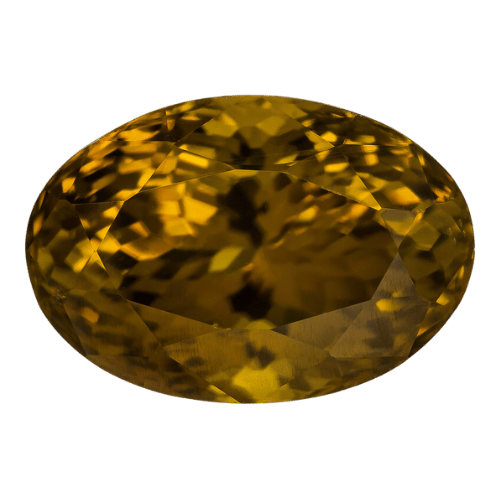 Sinhalite
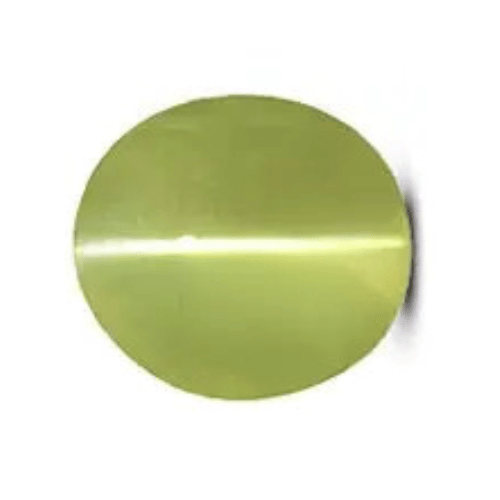 Cats Eye
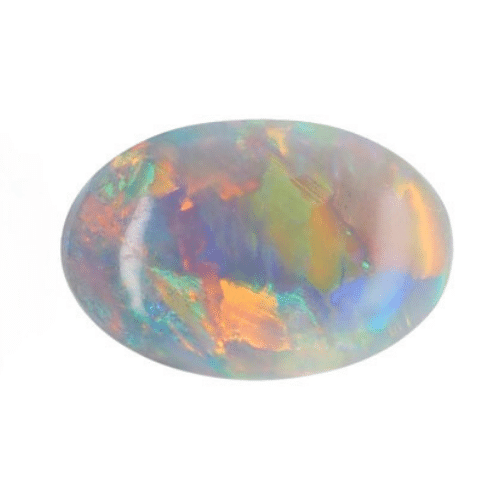 Opal
Opal