Seylan Gems & Jewelry
Tourmaline is a group. Pink and red stones are often called rubellite. Blue stones are sometimes called indicolite. Green, and multicolored crystals, are still tourmaline. The variety name belongs in the title when it changes what you are paying for.
Specifications
Typical published ranges used in gemology. Specific gravity below matches our carat calculator default where applicable. (SG 3.10)
| Hardness (Mohs) | 7–7.5 |
|---|---|
| Refractive index | About 1.62–1.64 |
| Optic character | Doubly refractive, strongly pleochroic |
| Specific gravity | About 3.06 |
| Chemistry | A boron silicate group; the metals vary |
| Lustre | Vitreous |
Rubellite should be a pink to red tourmaline, not a garnet and not a ruby. Ruby is harder and denser. If we have a rubellite category, that is the door for that color. A green or watermelon stone is a different comparison.
Copper-bearing blue-green tourmaline, the material people call Paraiba, is a separate price world. We will not use that word for an ordinary blue tourmaline.
Tourmaline can be deep in one direction and pale in another. The cutter’s job is to put the richer color through the table. Look at side photos. A stone that is only dark because it is thick may window or go black in normal light.
Ceylon produces tourmaline. Origin is still a fact about the item, not a decoration on the species.
No. Rubellite is tourmaline. Ruby is corundum. A refractometer separates them quickly, and so should the species name.
Usually, if the setting protects it. It can be brittle along the length of the crystal. A thin stone or a heavy inclusion is a reason to choose a pendant instead.
Ready to look
Browse certified stones estimate carat from millimetres or ask us to help interpret a report.
Join collectors who shop certified Ceylon stones with real 360° views. Code emailed instantly.
No spam. Unsubscribe anytime. One code per customer.
Enter your email. If you leave, we will send this cart back — Ceylon gems often sell as unique pieces.

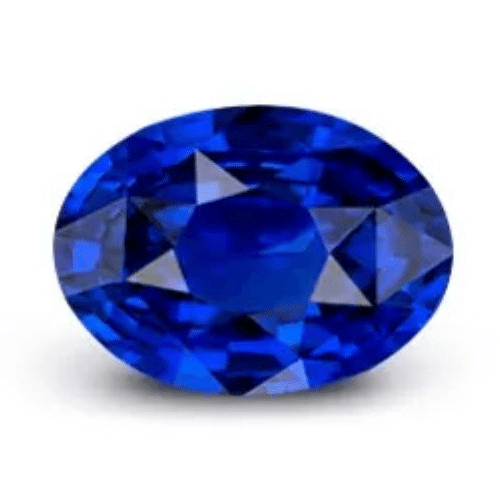 Sapphire
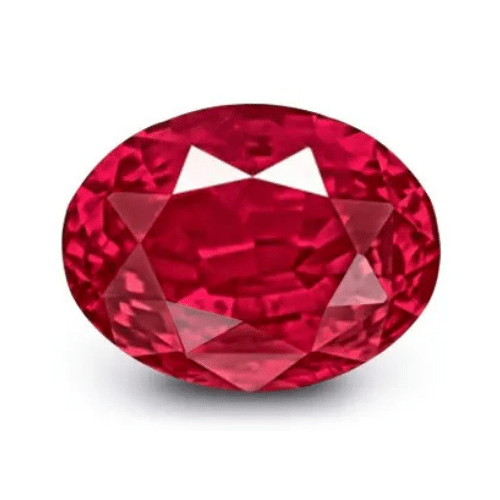 Ruby
Ruby
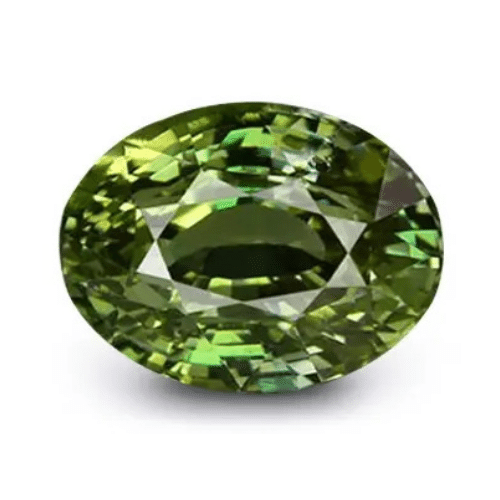 Alexandrite
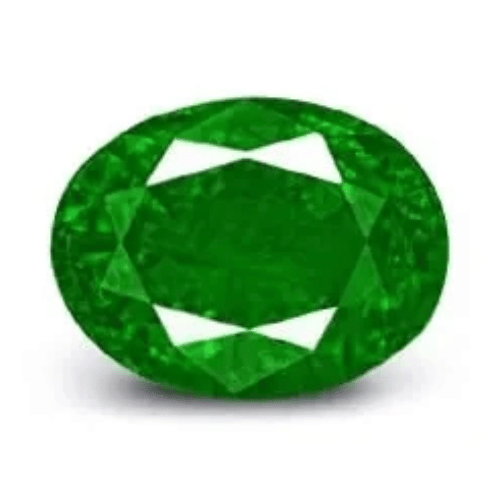 Emerald
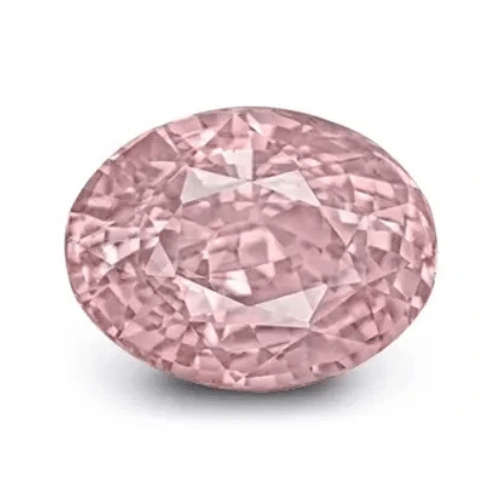 Padparadscha
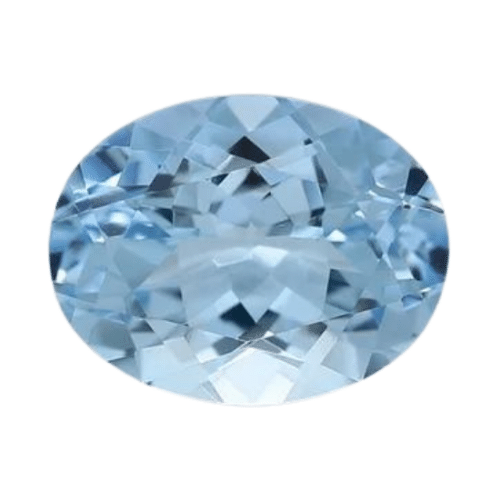 Aquamarine
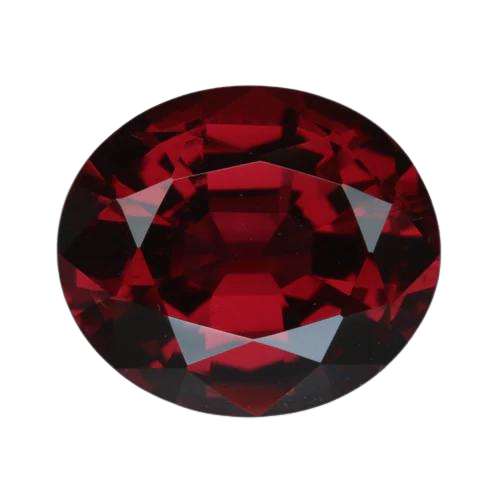 Spinel
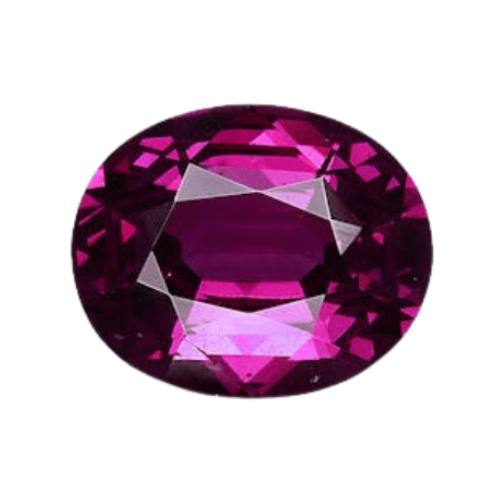 Garnet
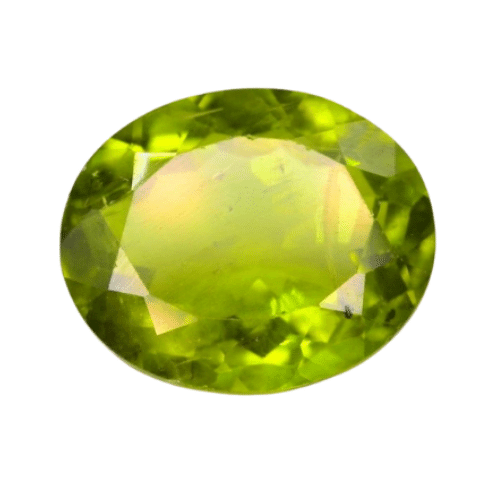 Peridot
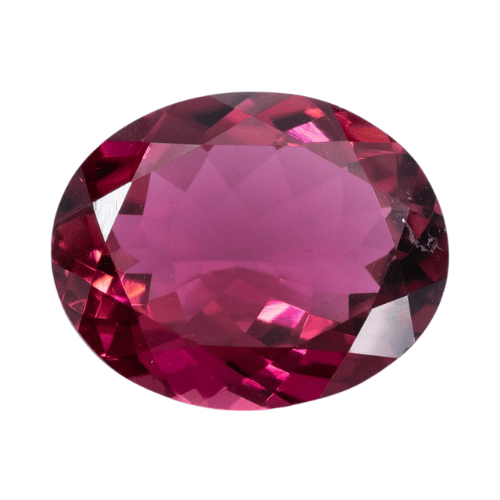 Tourmaline
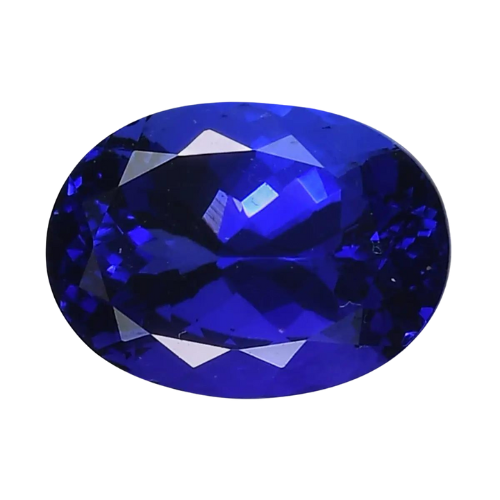 Tanzanite
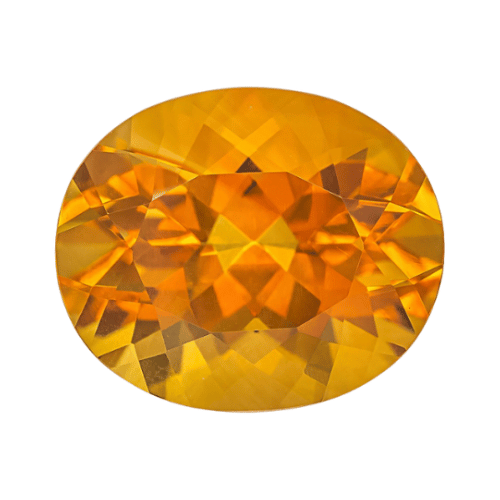 Citrine
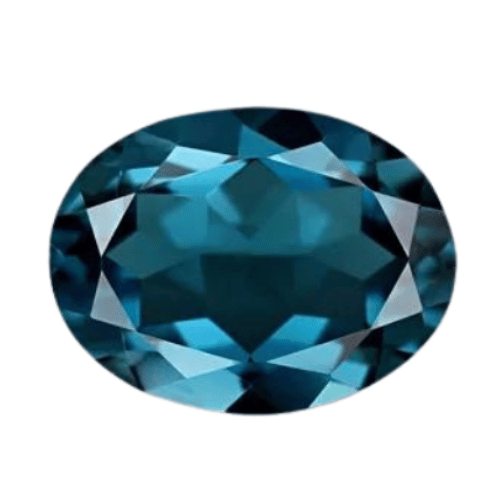 Quartz
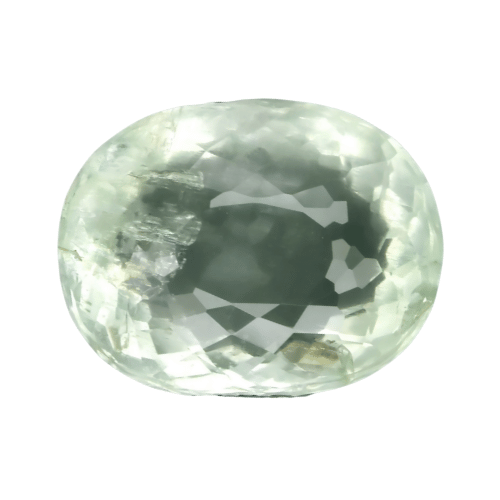 Chrysoberyl
 Apatite
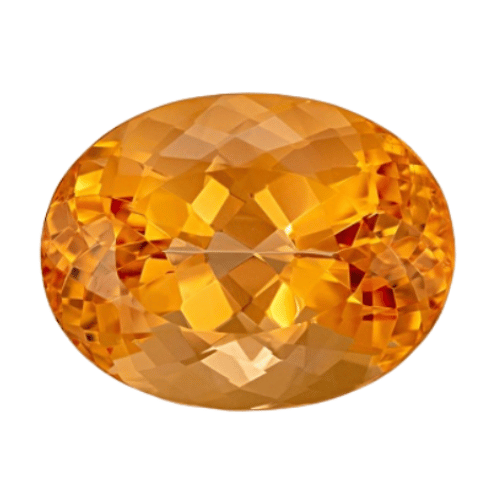 Topaz
Topaz
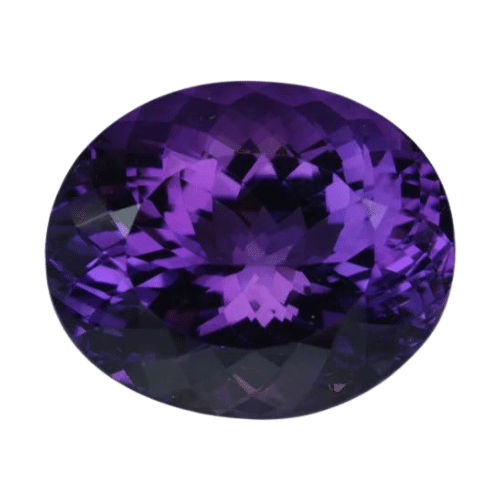 Amethyst
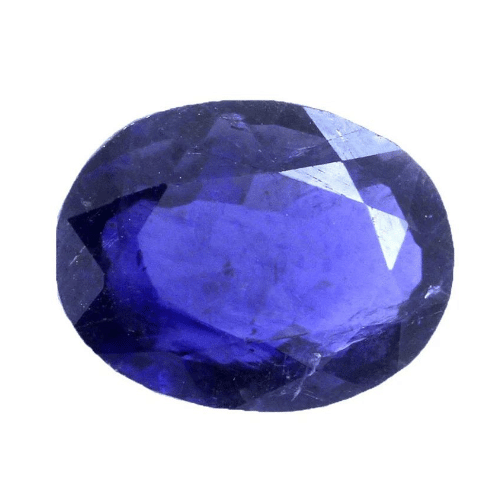 Lolite
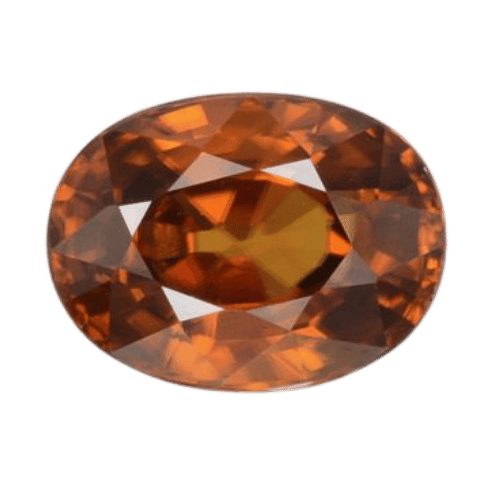 Zircon
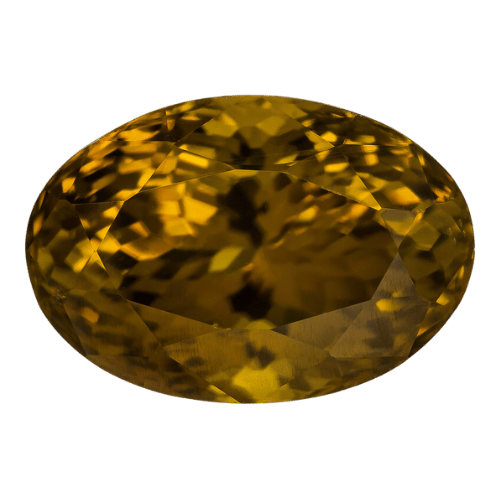 Sinhalite
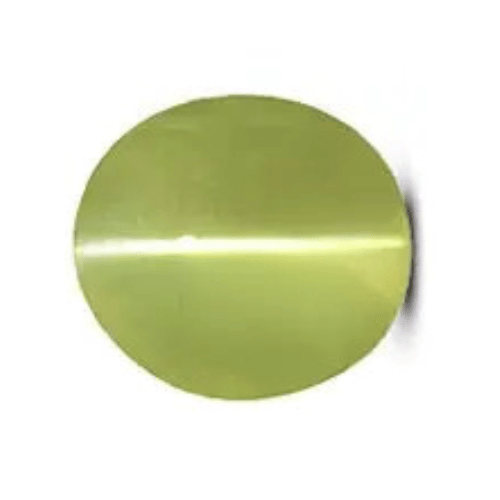 Cats Eye
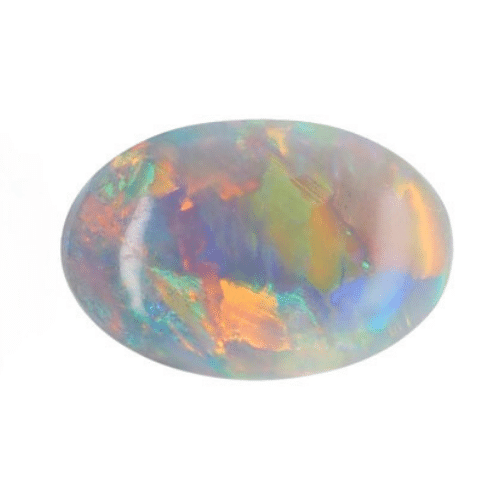 Opal
Opal